ESA Advances Call for a European Sepsis Plan at Ireland's EU Presidency Conference

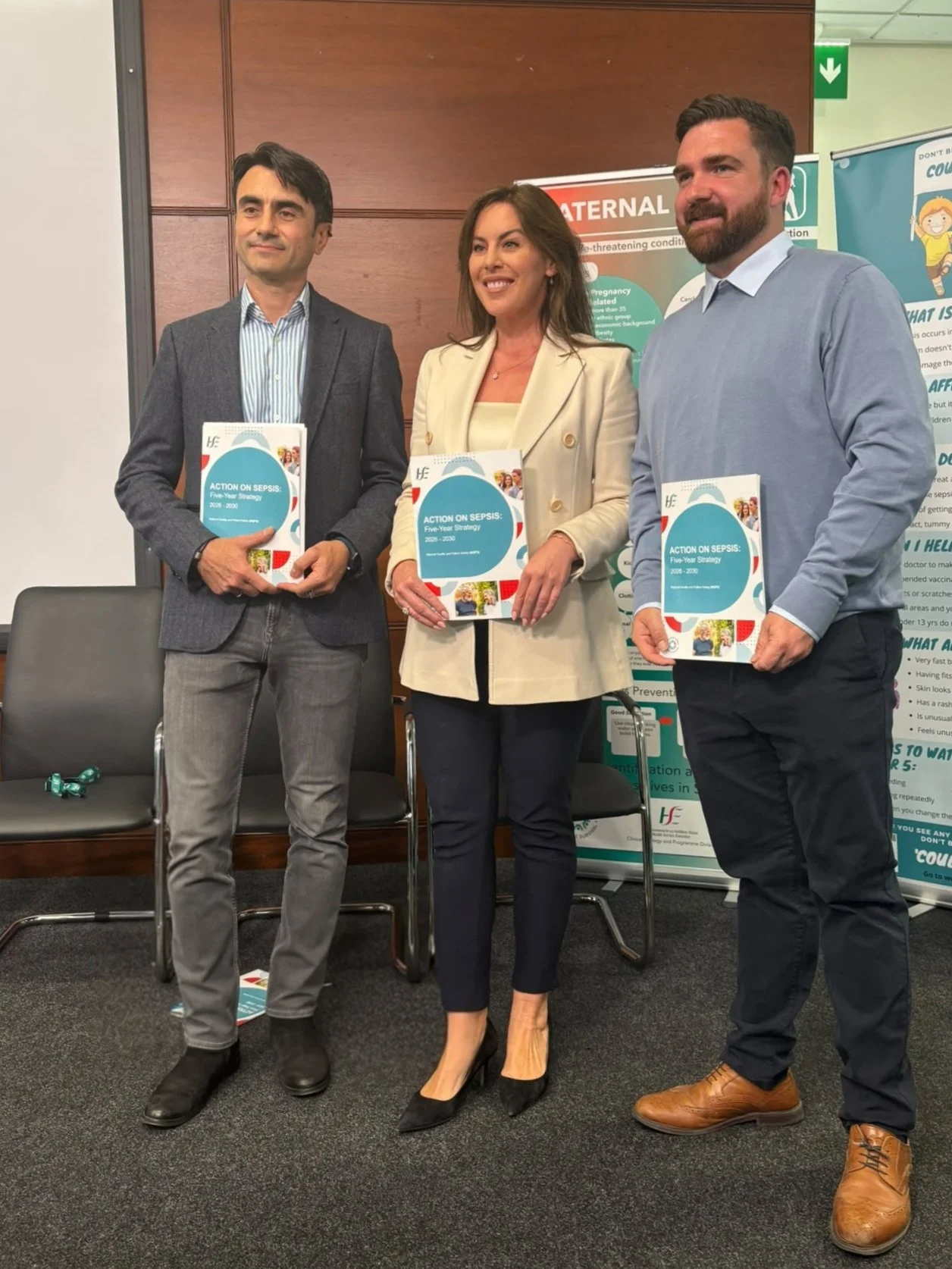
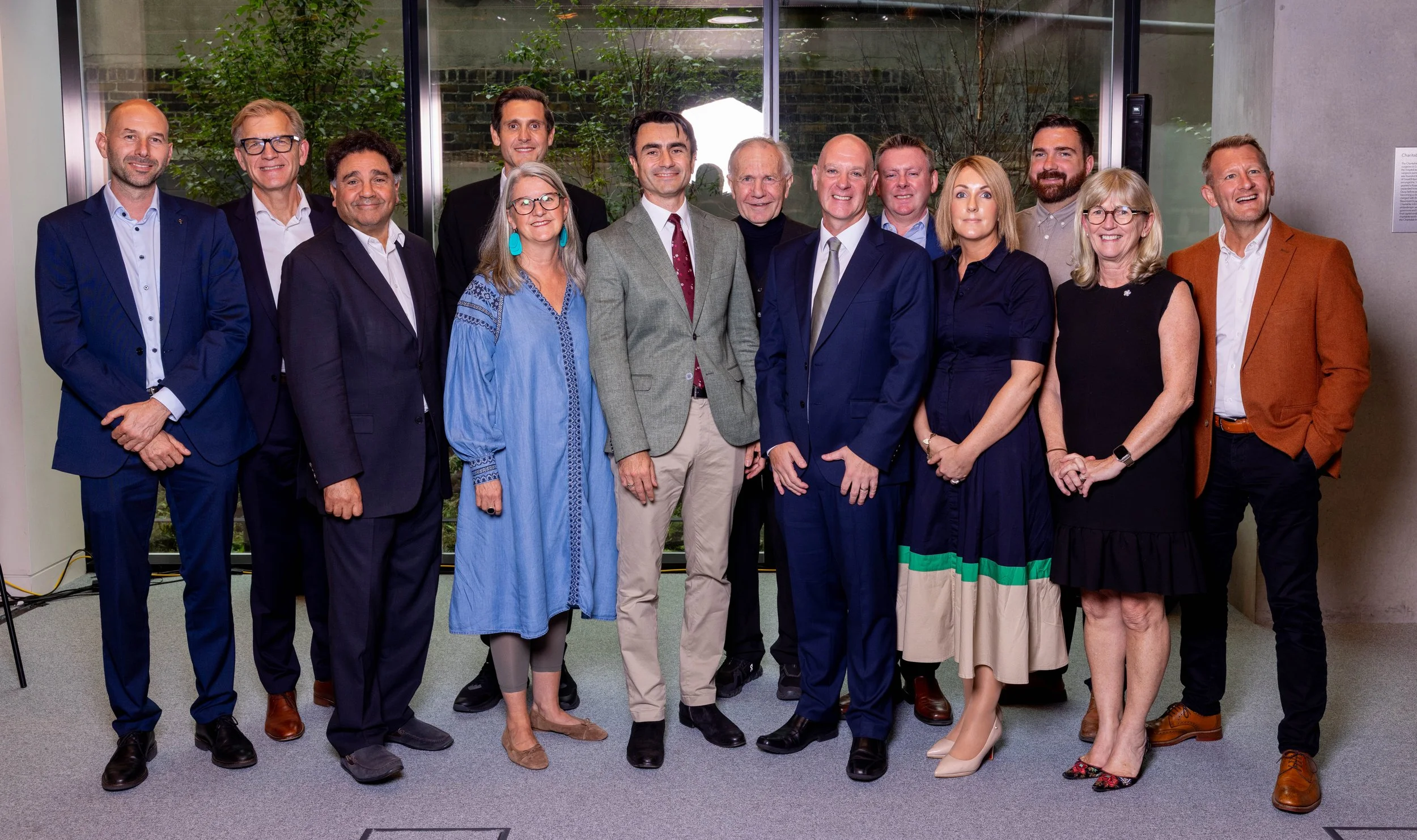
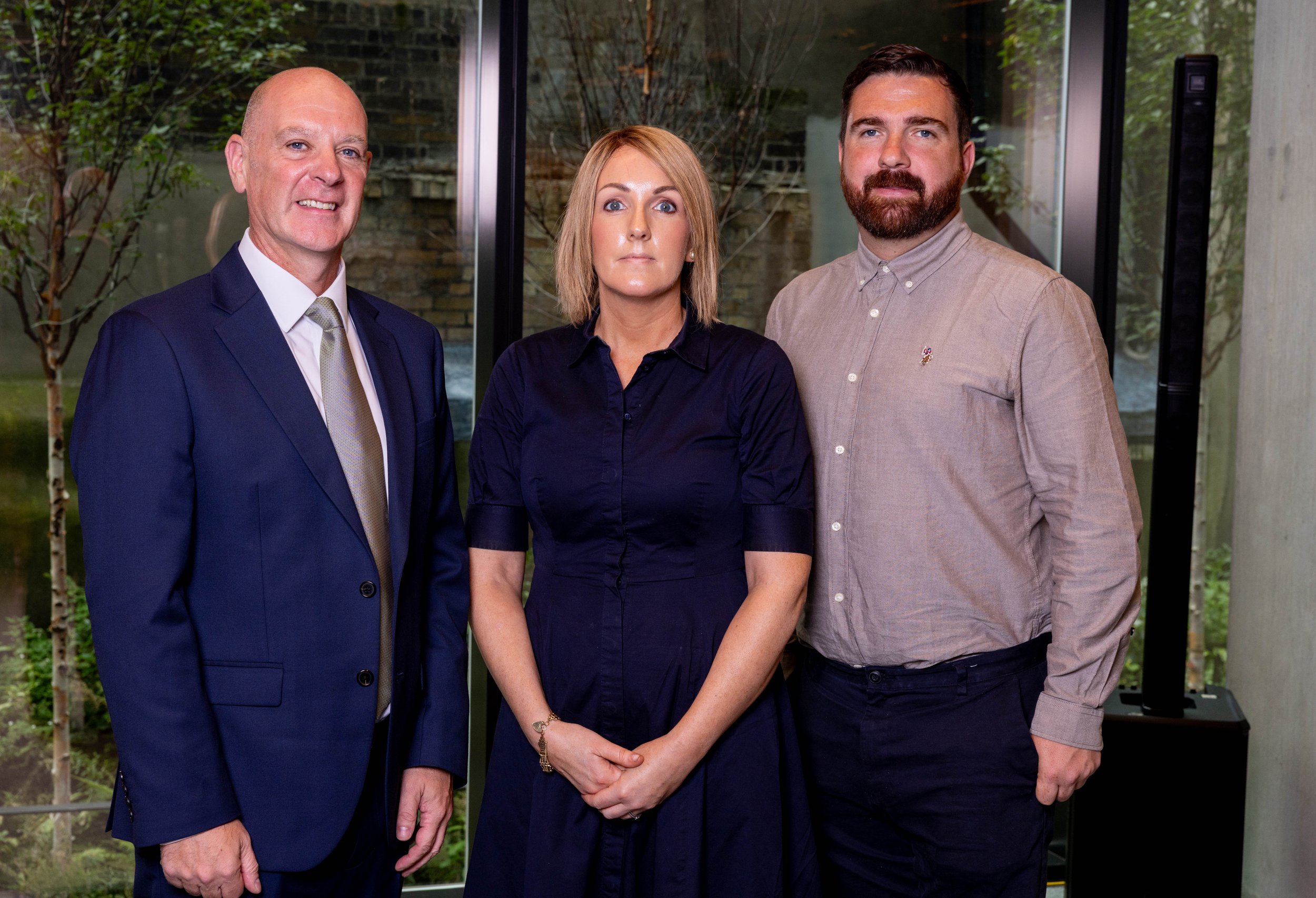
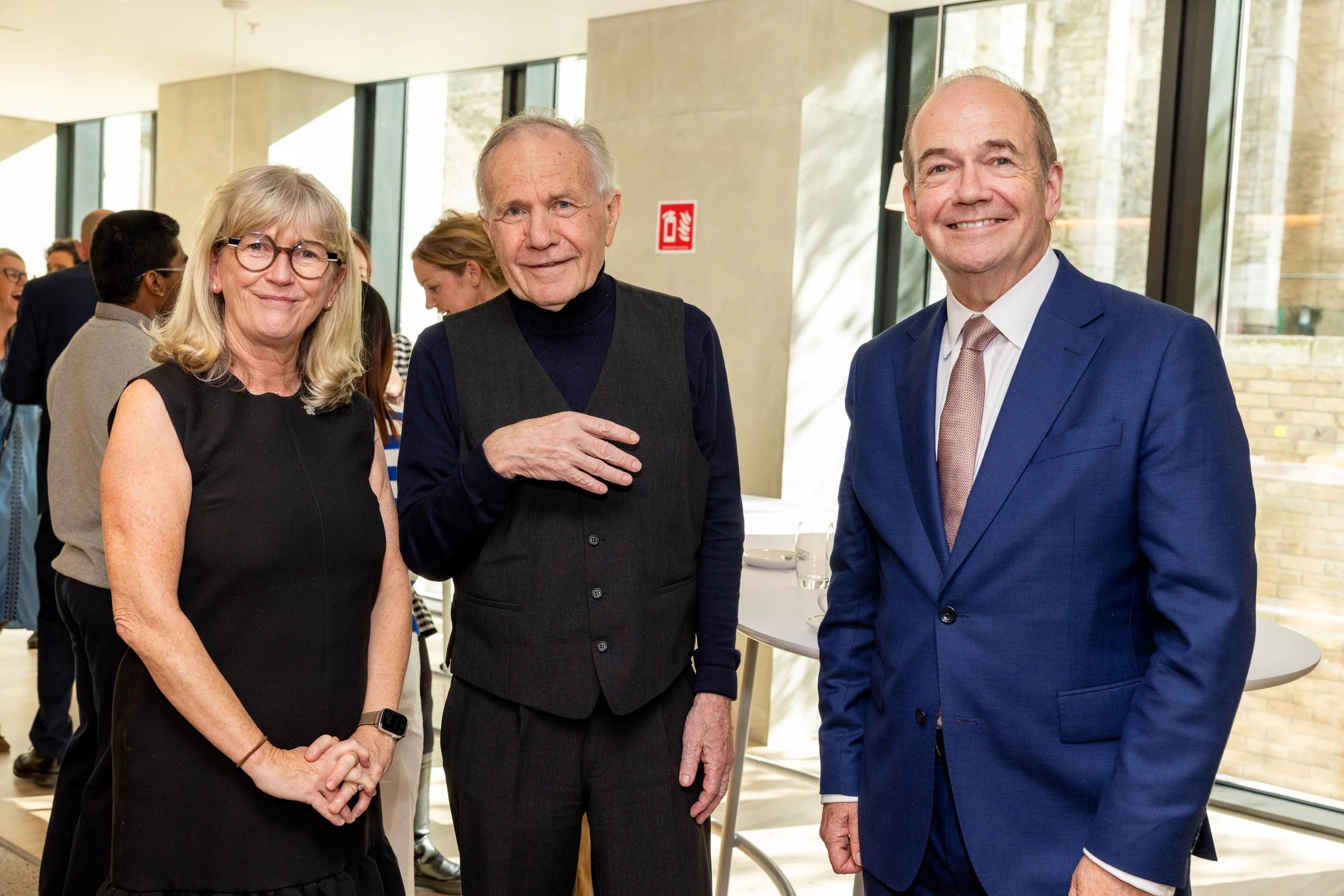
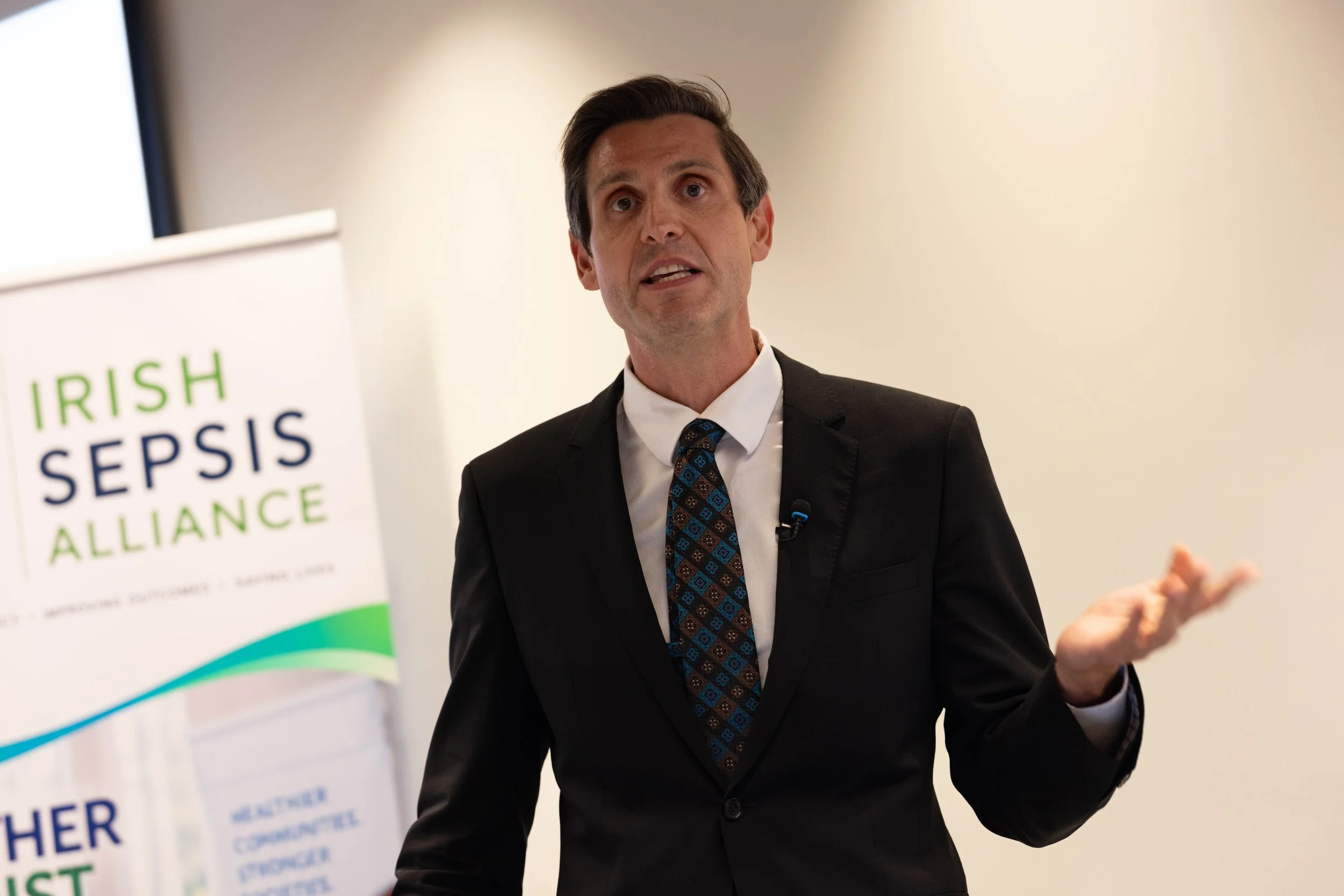
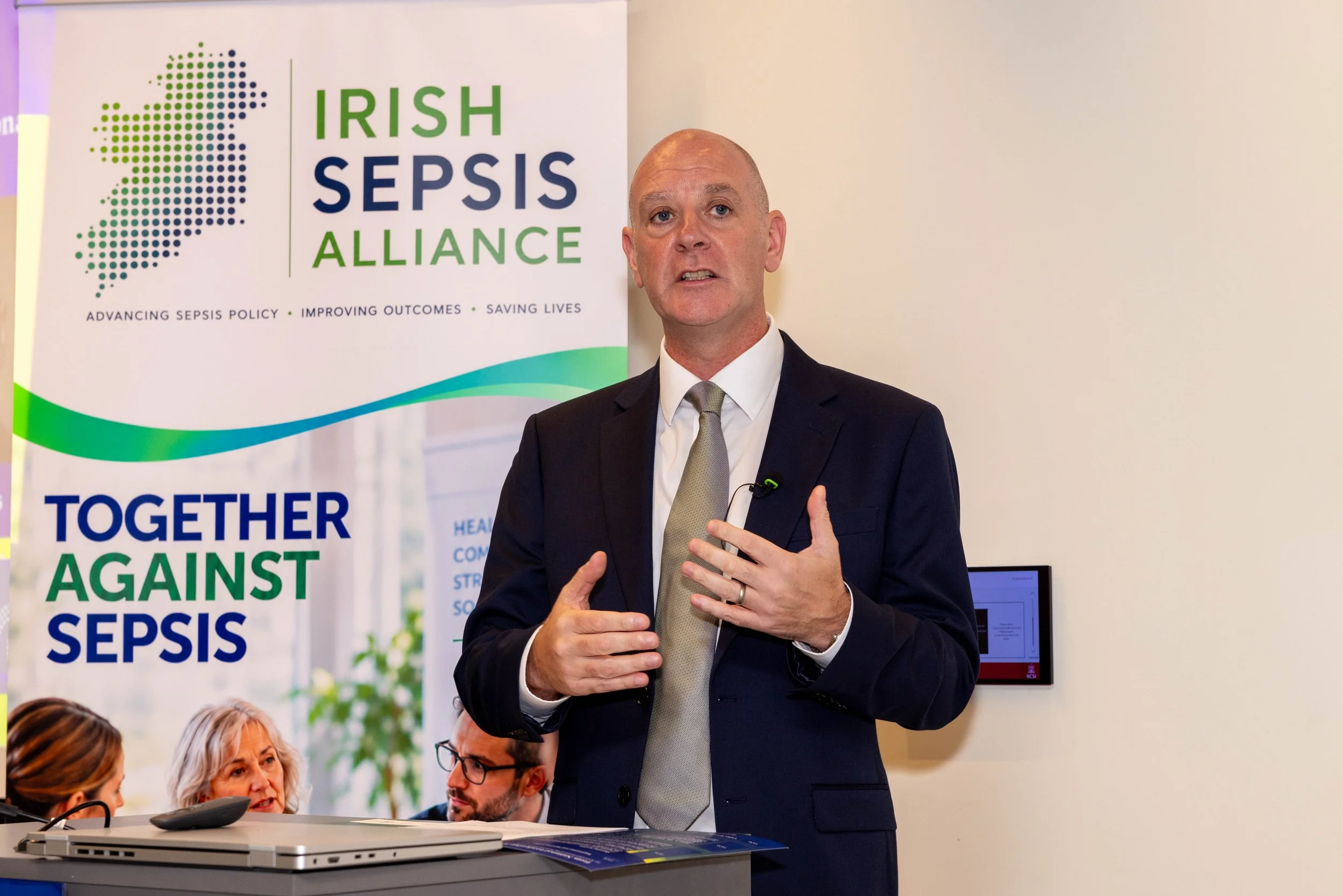
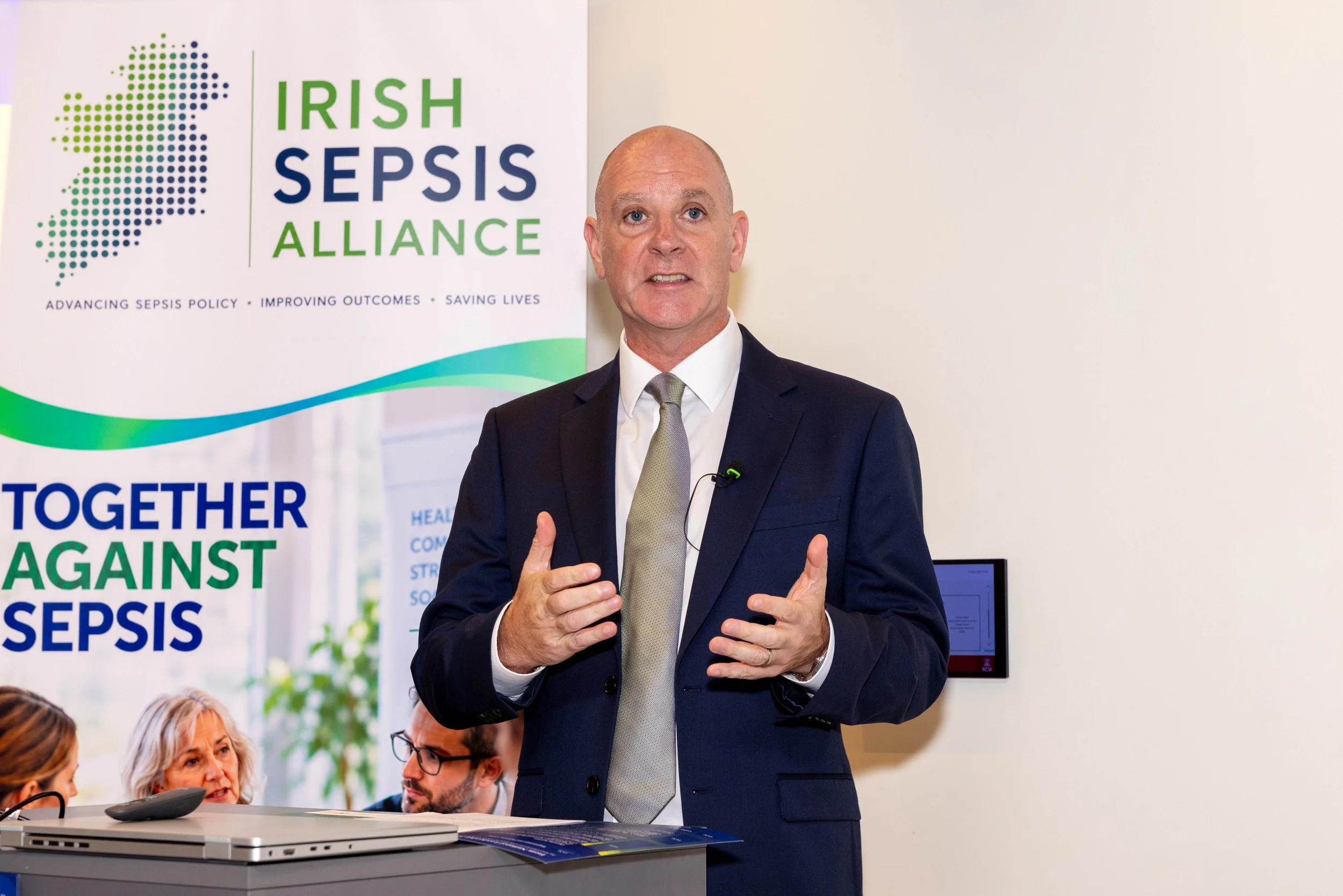
ESA Director Simone Mancini, Ireland’s Minister of Health Jennifer Carroll MacNeill, James Corcoran, Irish Sepsis Foundation.
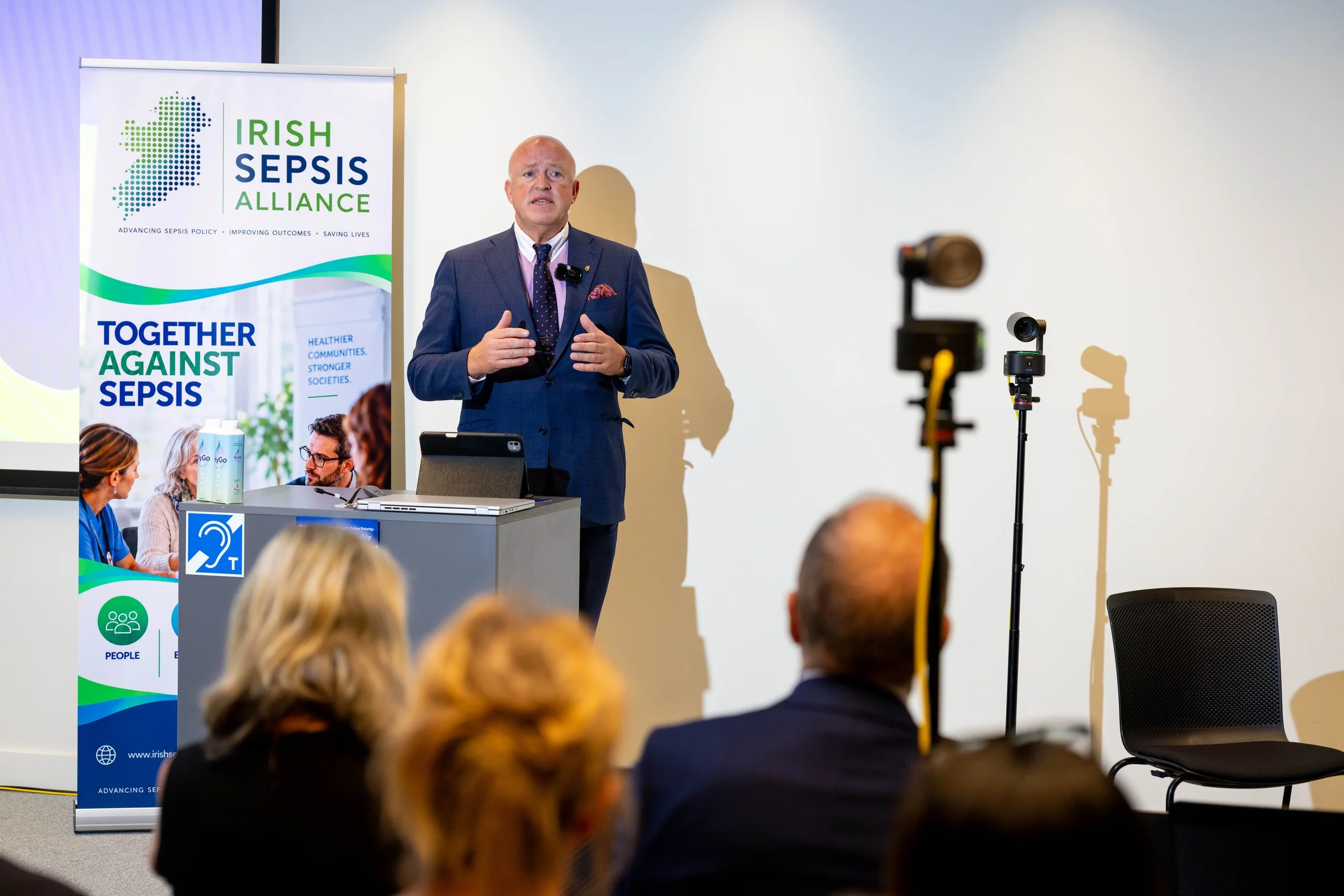
On 15 September 2026 the European Sepsis Alliance, the Global Sepsis Alliance, and the Irish Sepsis Alliance convened Making Sepsis a European Health Policy Priority: From National Leadership to European Action at the Royal College of Surgeons in Ireland (RCSI) University of Medicine and Health Sciences, Dublin, an officially Associated Event of Ireland's Presidency of the Council of the European Union. The conference brought together EU Health Ministry representatives, the European Commission, WHO Europe, Members of the European and Irish Parliaments, national sepsis programme leads from five countries, patient advocates and civil society, with more than 800 participants registered online from over 30 countries across five continents. It took place the day after Minister for Health Jennifer Carroll MacNeill launched Ireland's Action on Sepsis: Five-Year Strategy 2026–2030 — creating an unprecedented two-day convergence of national and European ambition.
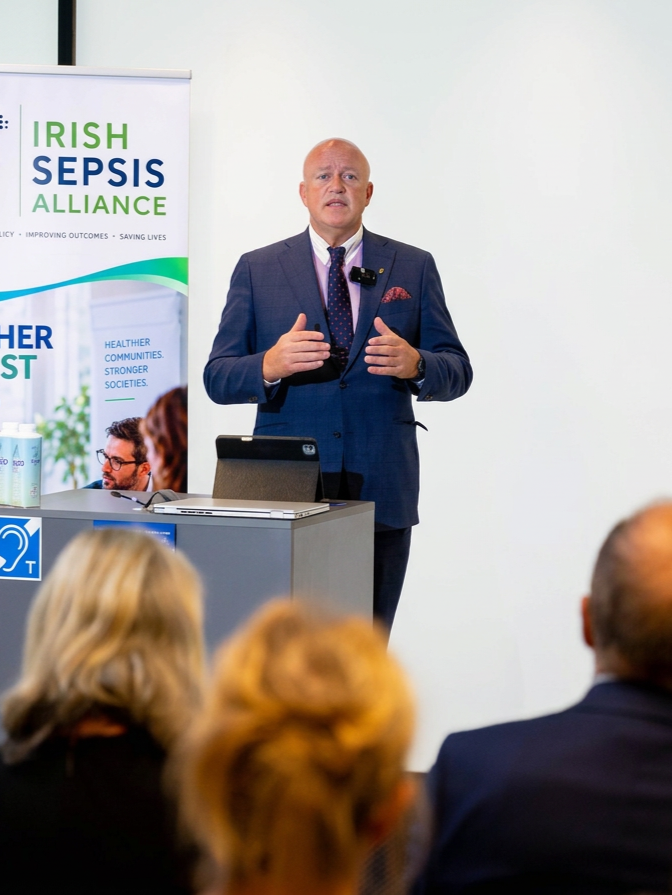
Senator Aubrey McCarthy
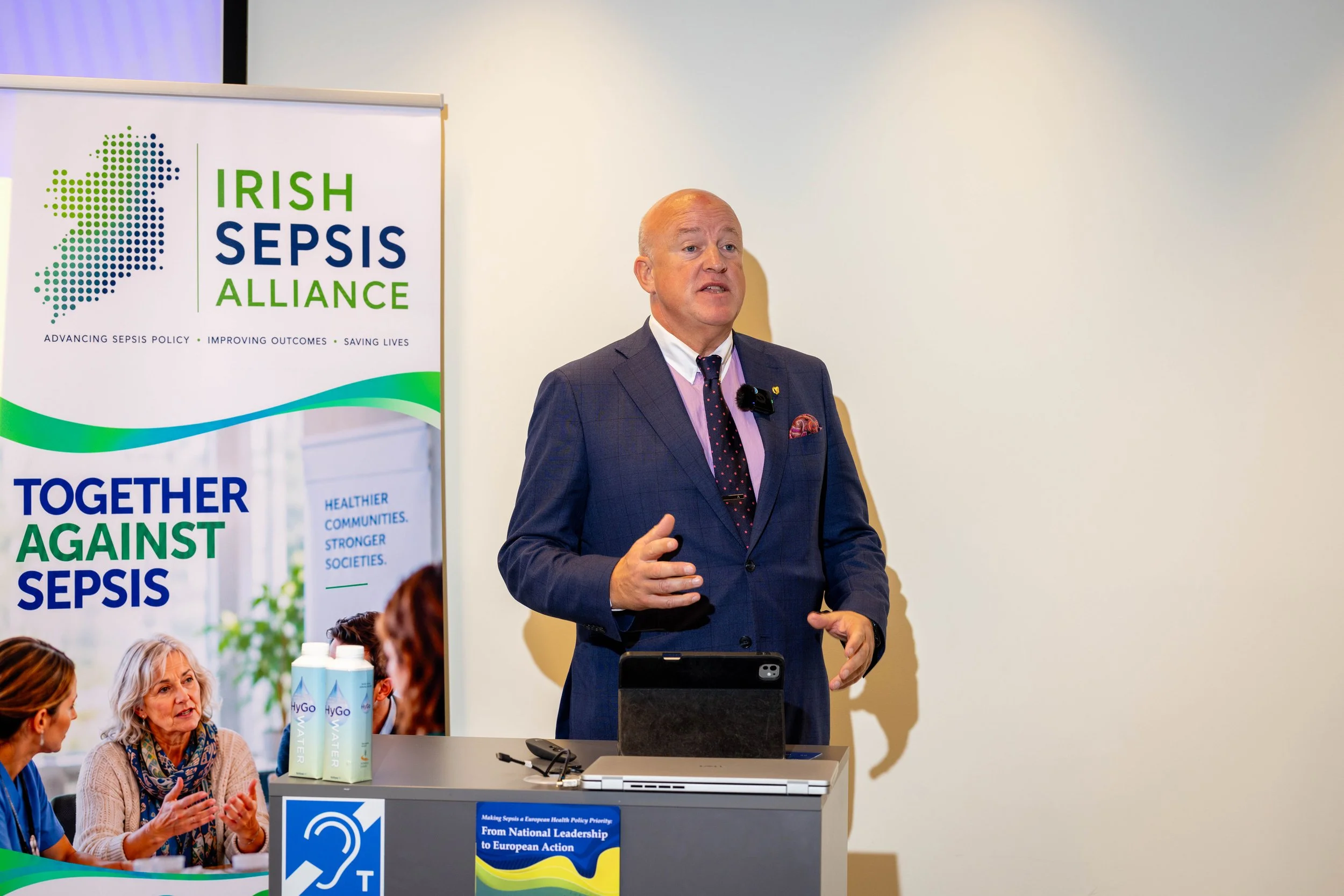
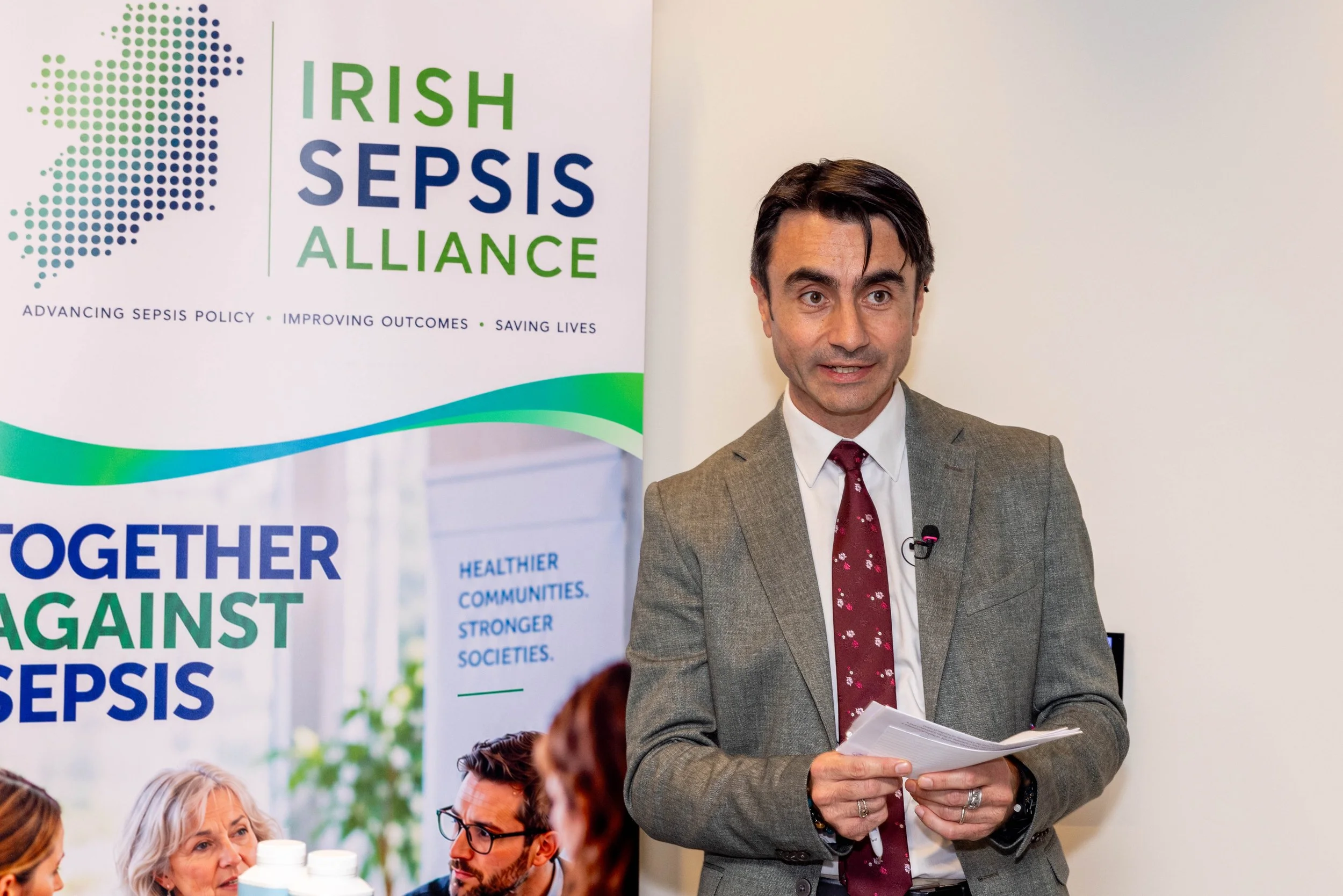
Prof. Steve Kerrigan of RCSI framed the question for the day not as whether sepsis matters, but what Europe should do about it collectively, and how Ireland's Presidency could serve as a catalyst. Senator Aubrey McCarthy announced that a patient safety bill embedding the right to clinical escalation and early sepsis recognition is currently being signed in Leinster House. In a video message, Dr. Mariam Jashi, CEO of the Global Sepsis Alliance, laid out the stakes: 680,000 deaths annually in the EU alone, dwarfing the 35,000 attributed to AMR, yet receiving a fraction of the political attention — and an opportunity to prevent 136,000 of those deaths every year if the 2030 Global Agenda for Sepsis is implemented.
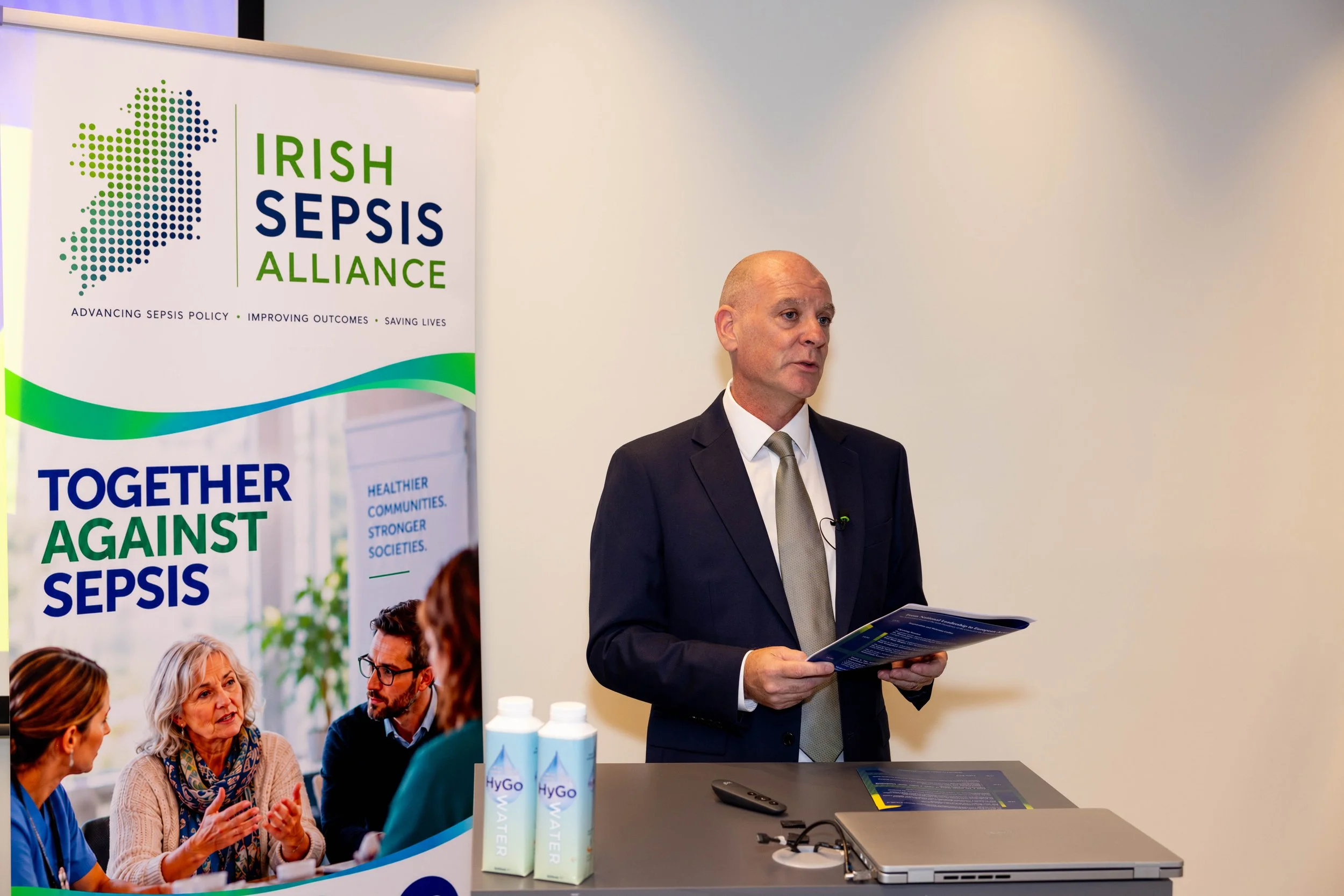
Speaking on behalf of the Minister, Prof. Mary Horgan, Chief Medical Officer of Ireland, gave an account of what two decades of national commitment has produced — a reduction in sepsis mortality from nearly 29% to 20% — and delivered a clear message: "The strategy is just a strategy, and the work begins with the implementation of it." The presence of Prof. Sir Michael McBride, Chief Medical Officer for Northern Ireland, underscored the all-island dimension of the challenge.
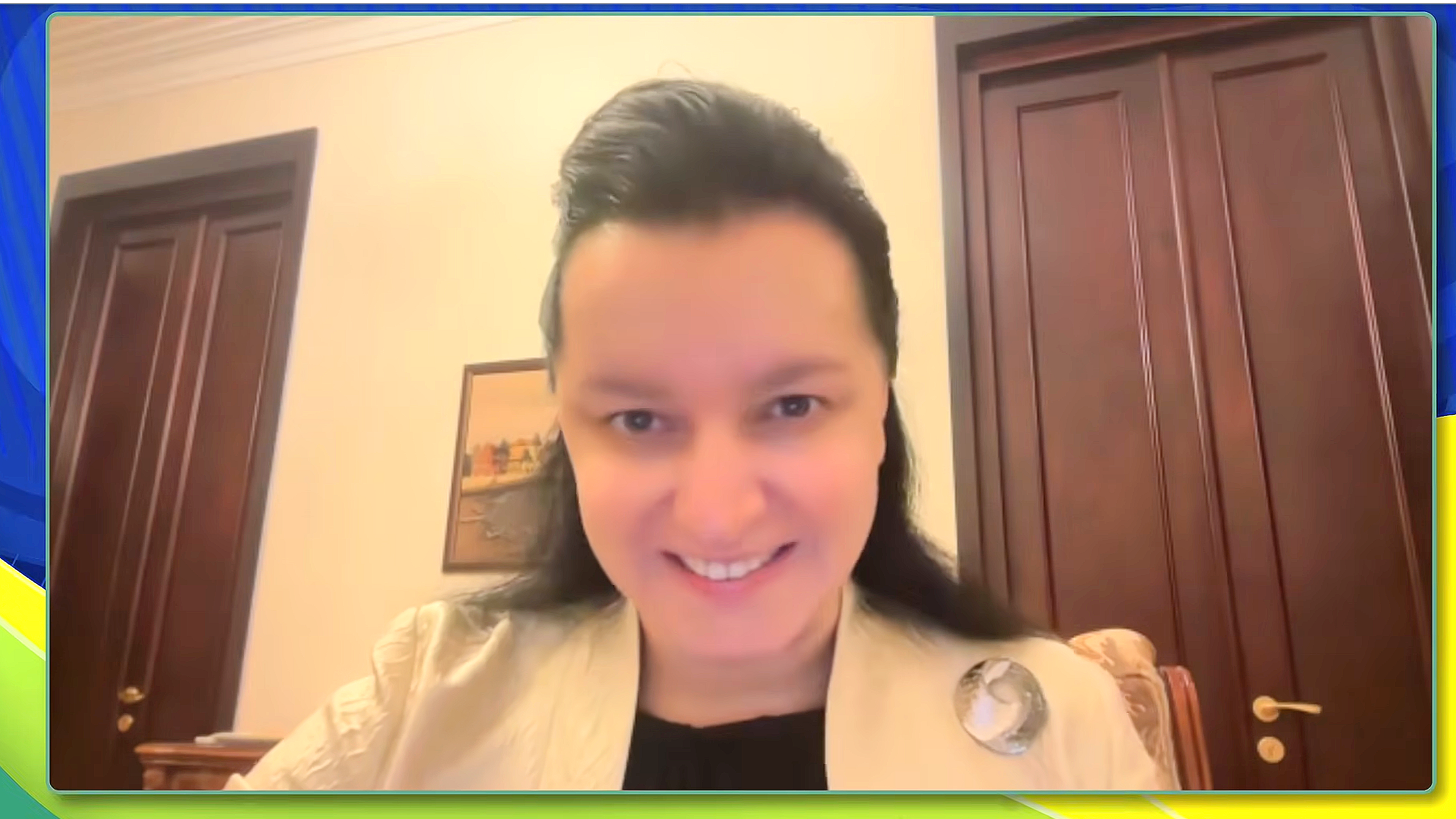
GSA CEO, Dr. Mariam Jashi
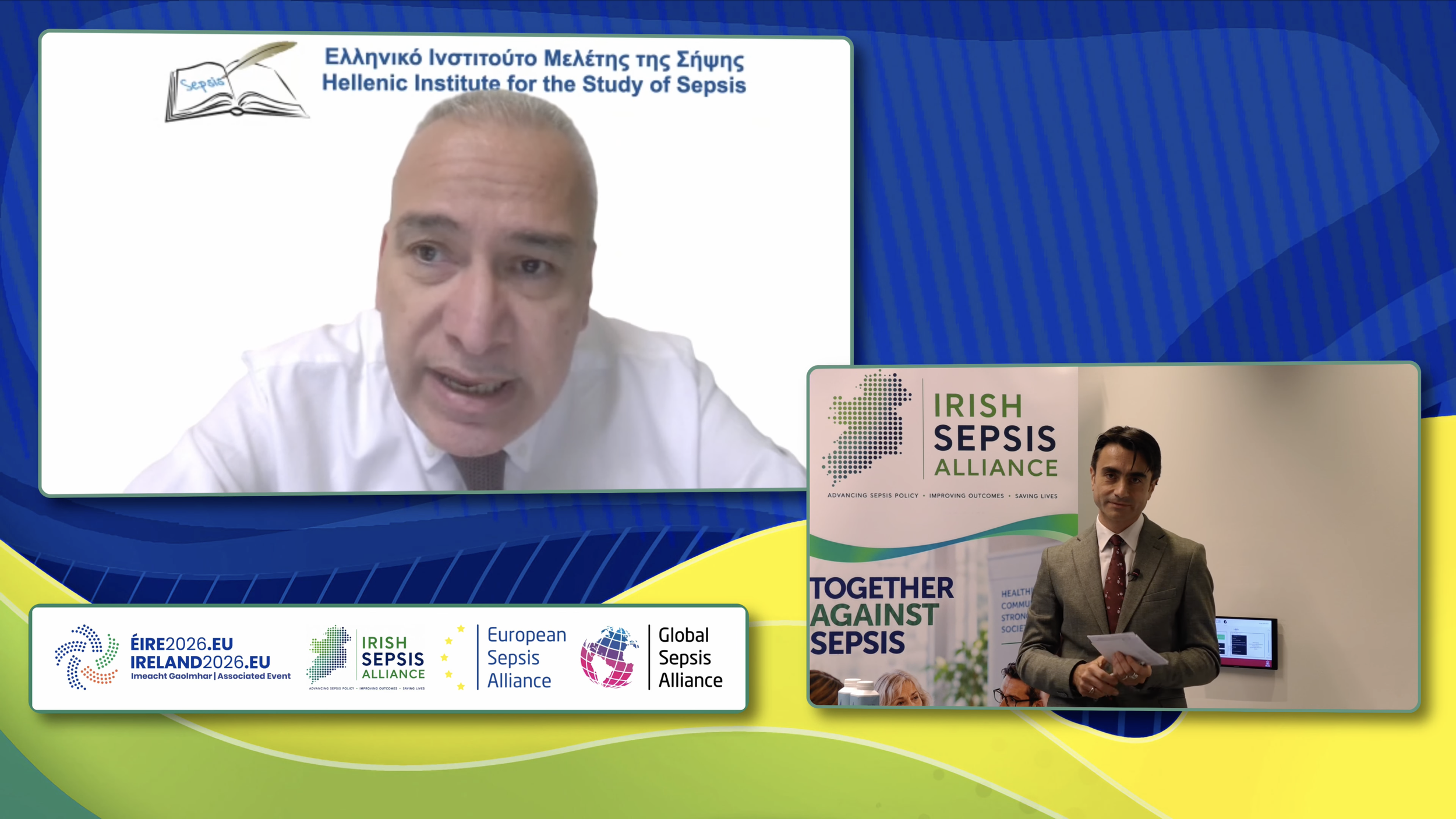
ESA Chair, Prof. Evangelos J. Giamarellos Bourboulis
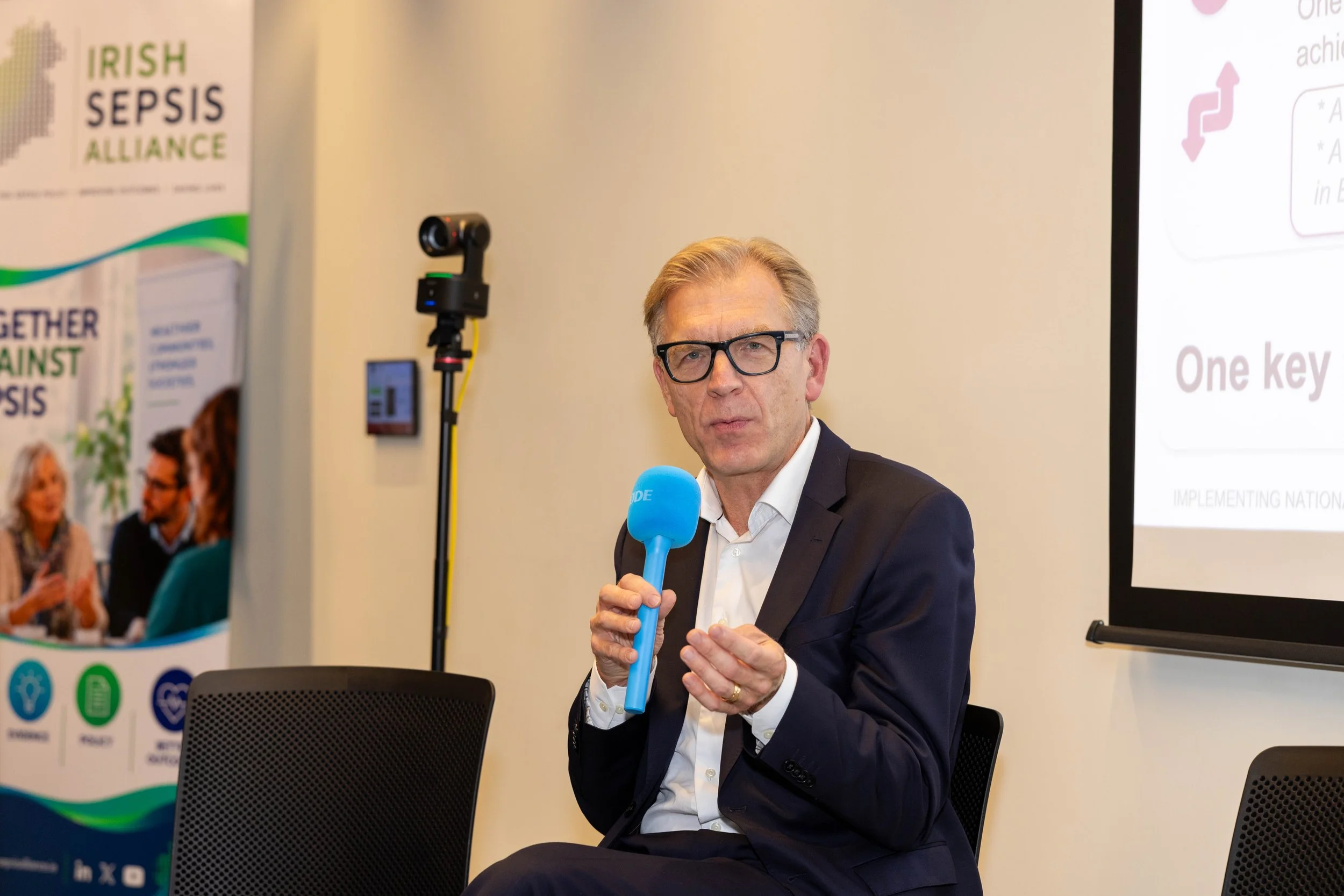
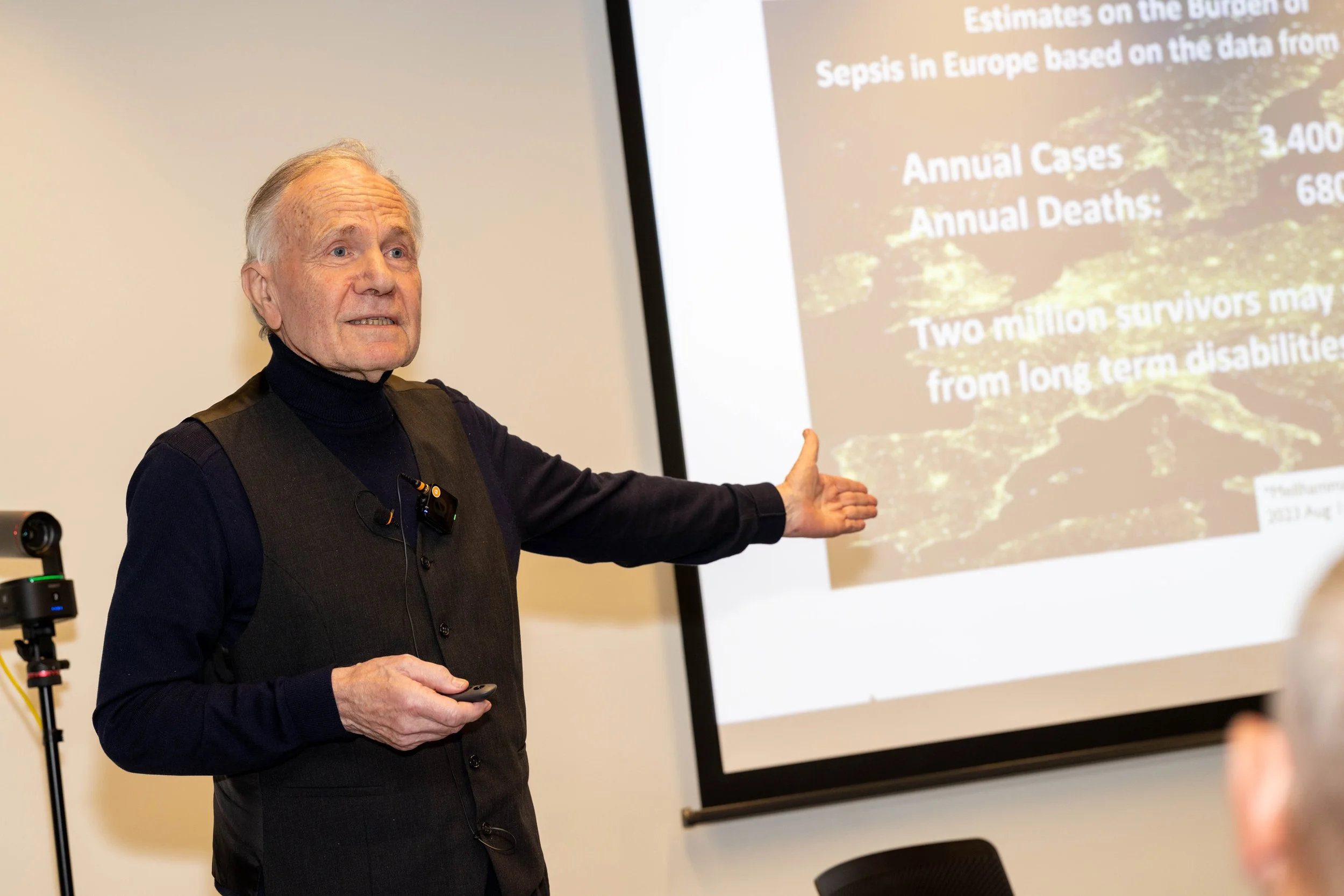
The keynote session opened with ESA Chair Prof. Evangelos J. Giamarellos-Bourboulis, joining online, presenting the European Sepsis Care Survey findings: adequate screening is not achieved in the vast majority of European hospitals across all geographic regions; fewer than 15% offer 24/7 microbiological testing. Dr. Gundo Weiler of the WHO Office on Quality of Care and Patient Safety in Athens reinforced the opportunity created by the Presidency trio — Ireland, Lithuania, Greece — as a sequence with natural policy continuity. Inma Mandavaro of DG HERA confirmed the €244 million call recently launched under the EU for Health programme for innovative therapeutics targeting viral infections, ARDS and sepsis — the first time HERA has explicitly named sepsis in a funding instrument of this scale.
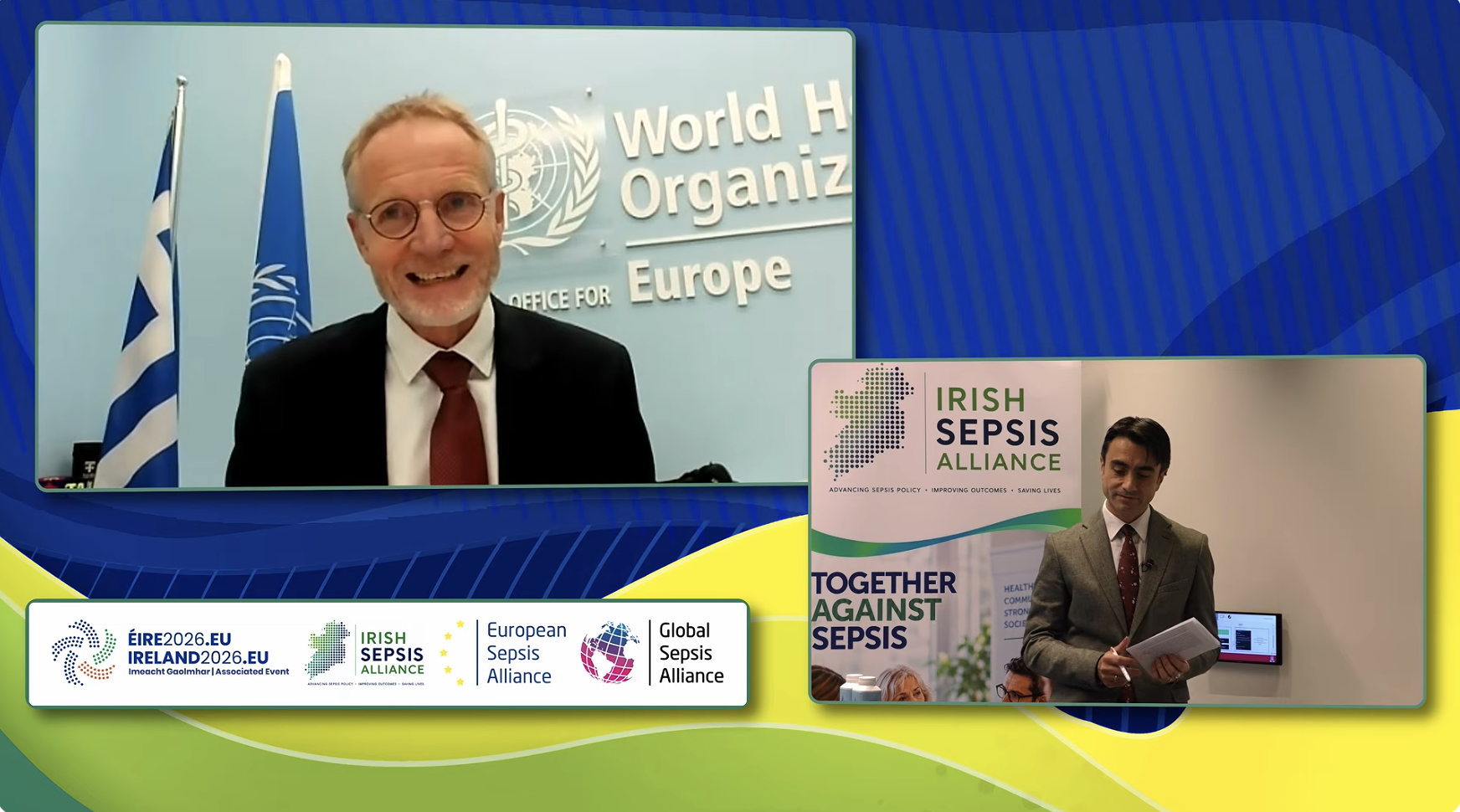
Dr Gundo Weiler, WHO Europe
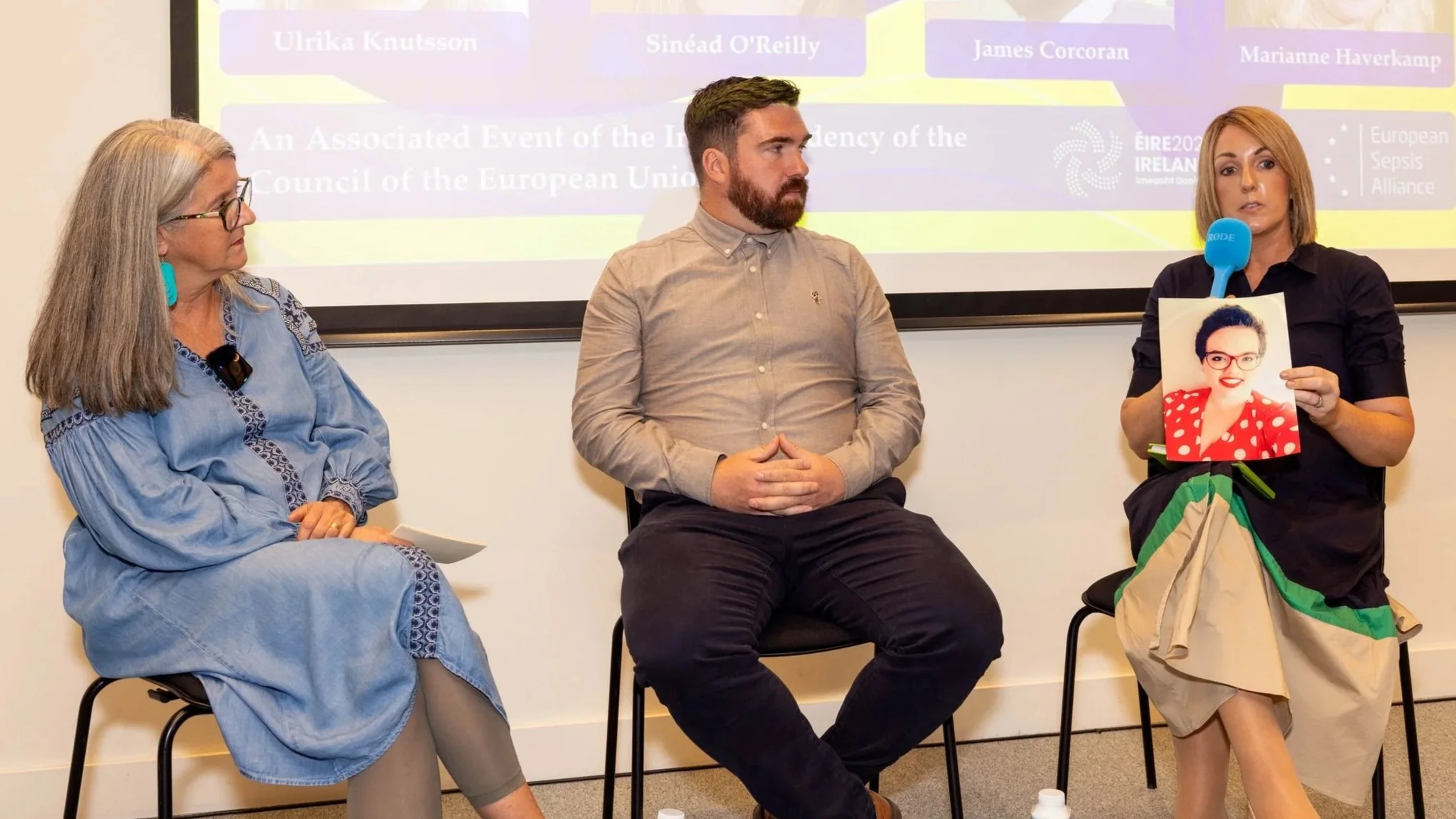
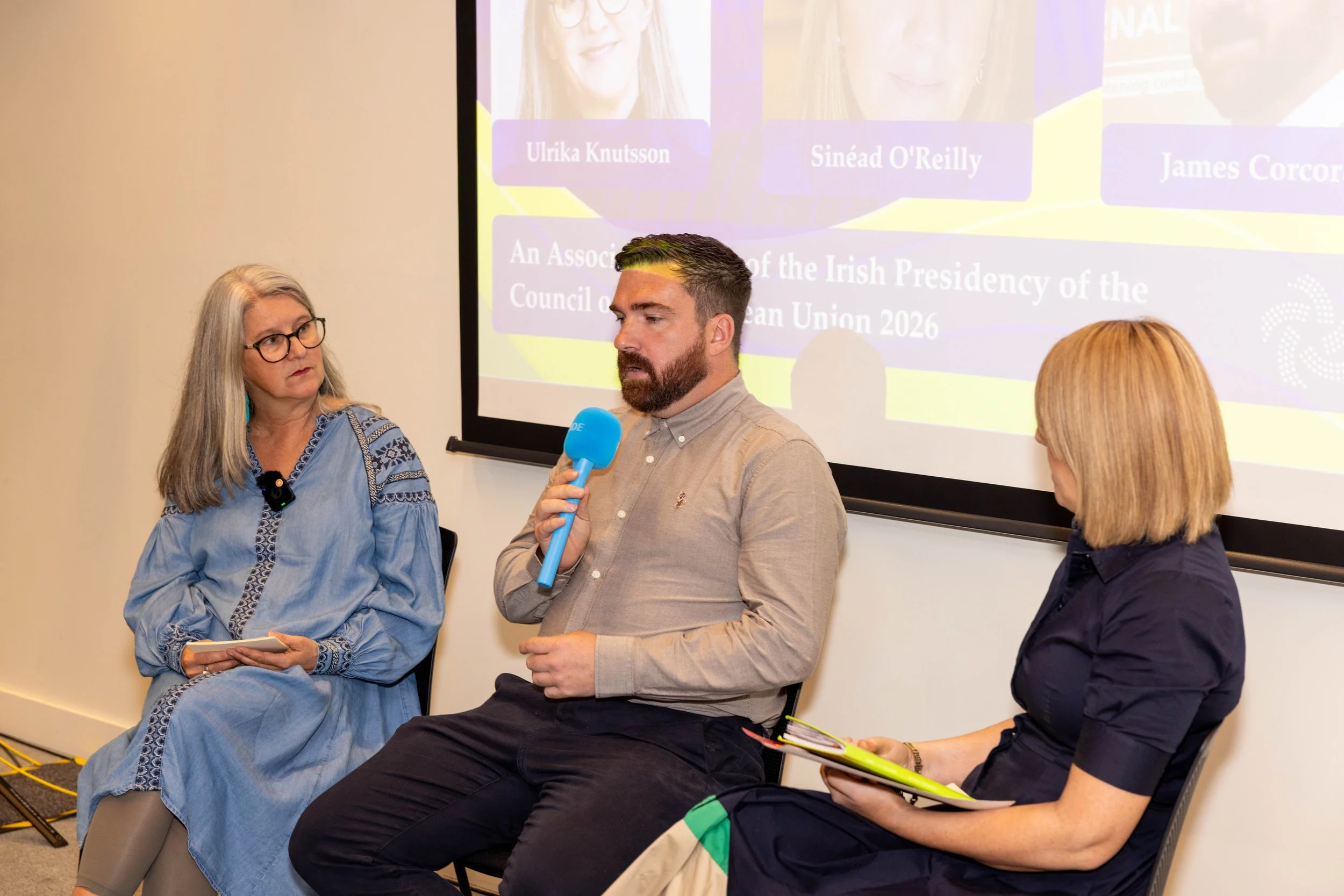
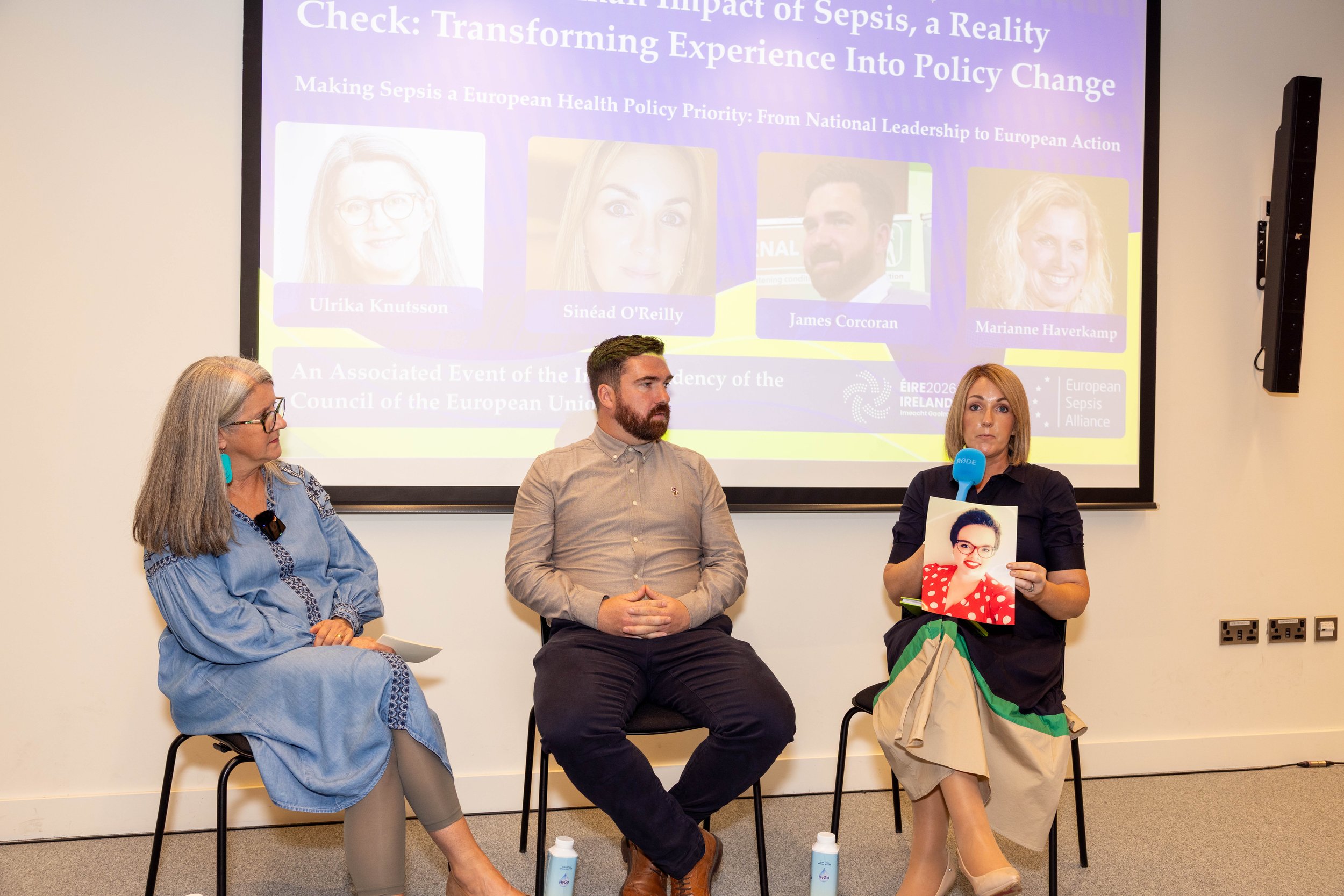
Ulrika Knutsson, James Corcoram, Sinéad O’Reilly
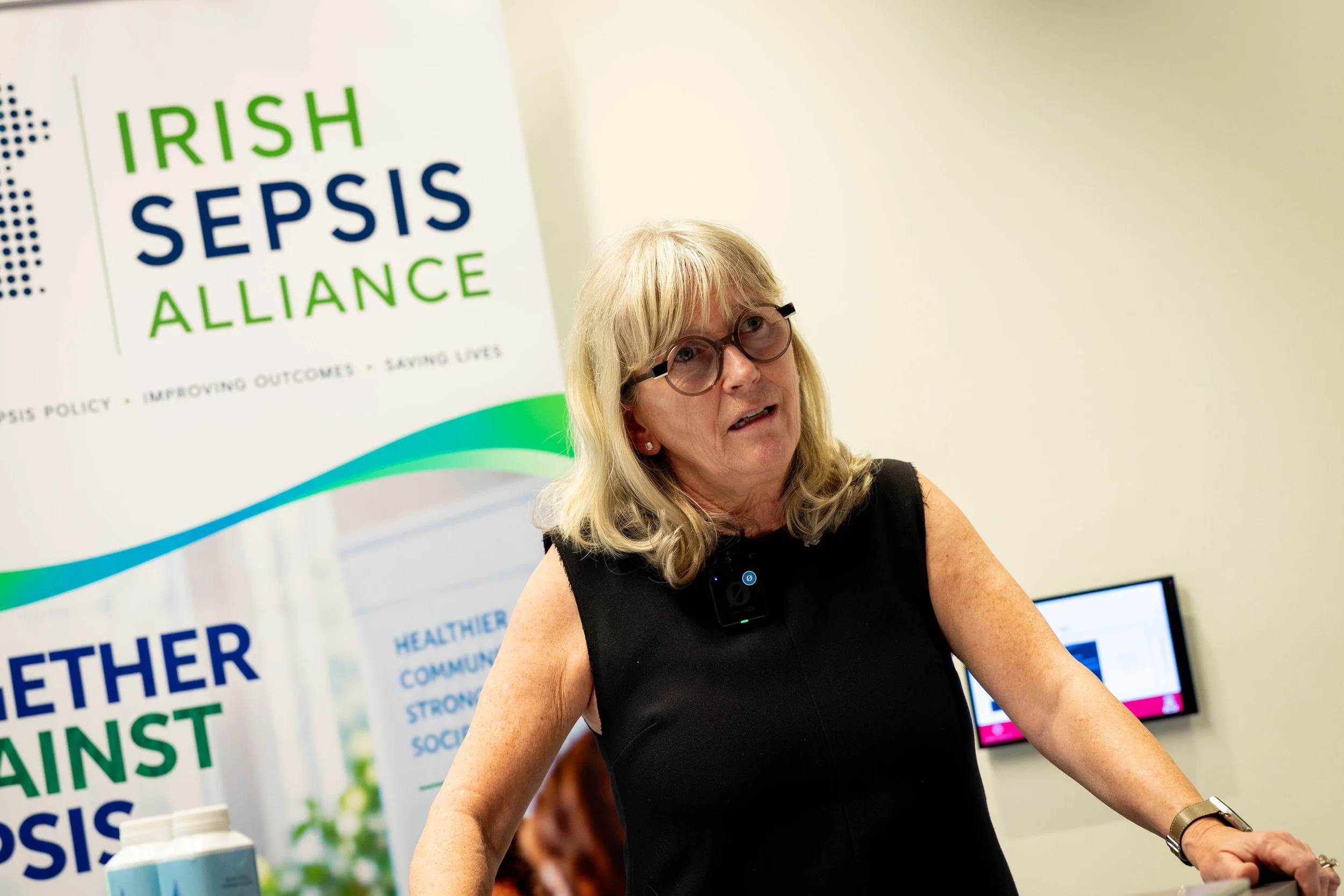
The first panel, chaired by Ulrika Knutsson, CEO of Sepsisfonden, brought the human dimension to the centre of the afternoon. Sinéad O'Reilly shared the story of her sister-in-law Sarah — whose death from unrecognised sepsis initiated Ireland's entire advocacy journey — and the trajectory from personal loss to parliamentary testimony to this European stage. James Corcoran of the Irish Sepsis Foundation spoke to the same obligation, and Marianne Haverkamp, Chair of the ESA Patient and Family Supporting Working Group and a septic shock survivor herself, made the case that post-sepsis syndrome — still largely invisible to health systems — must be recognised as part of the full patient journey before it can be properly addressed.
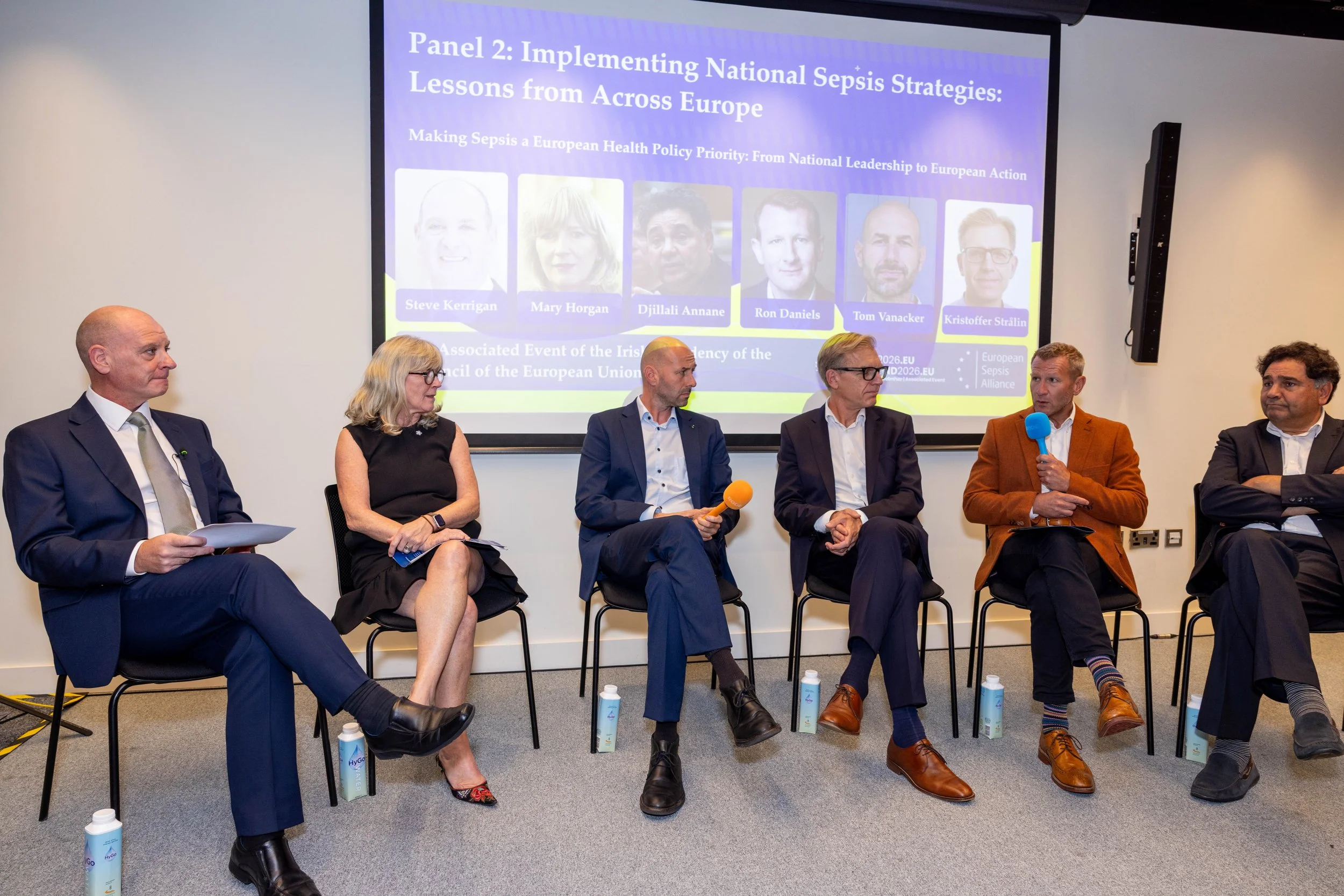
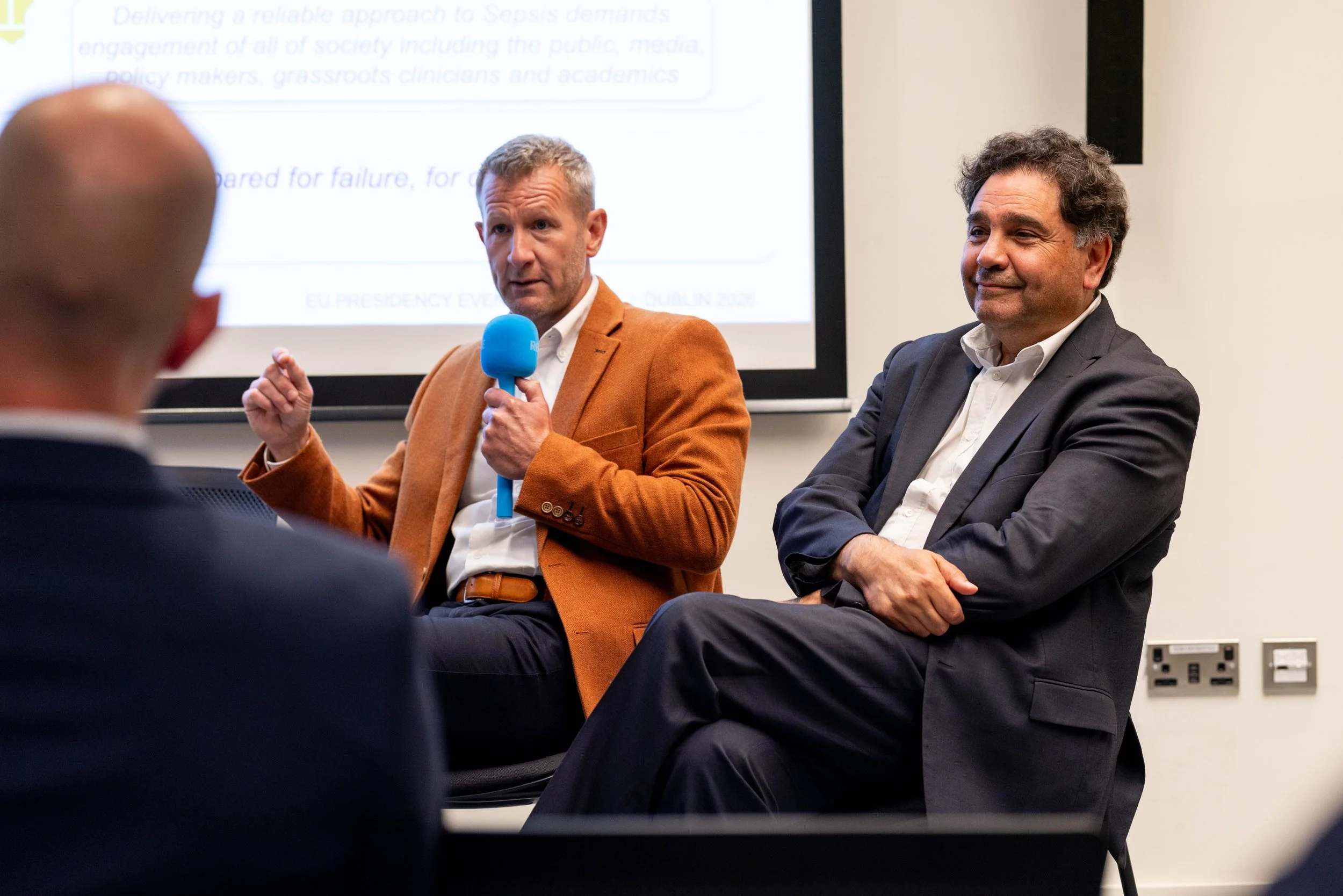
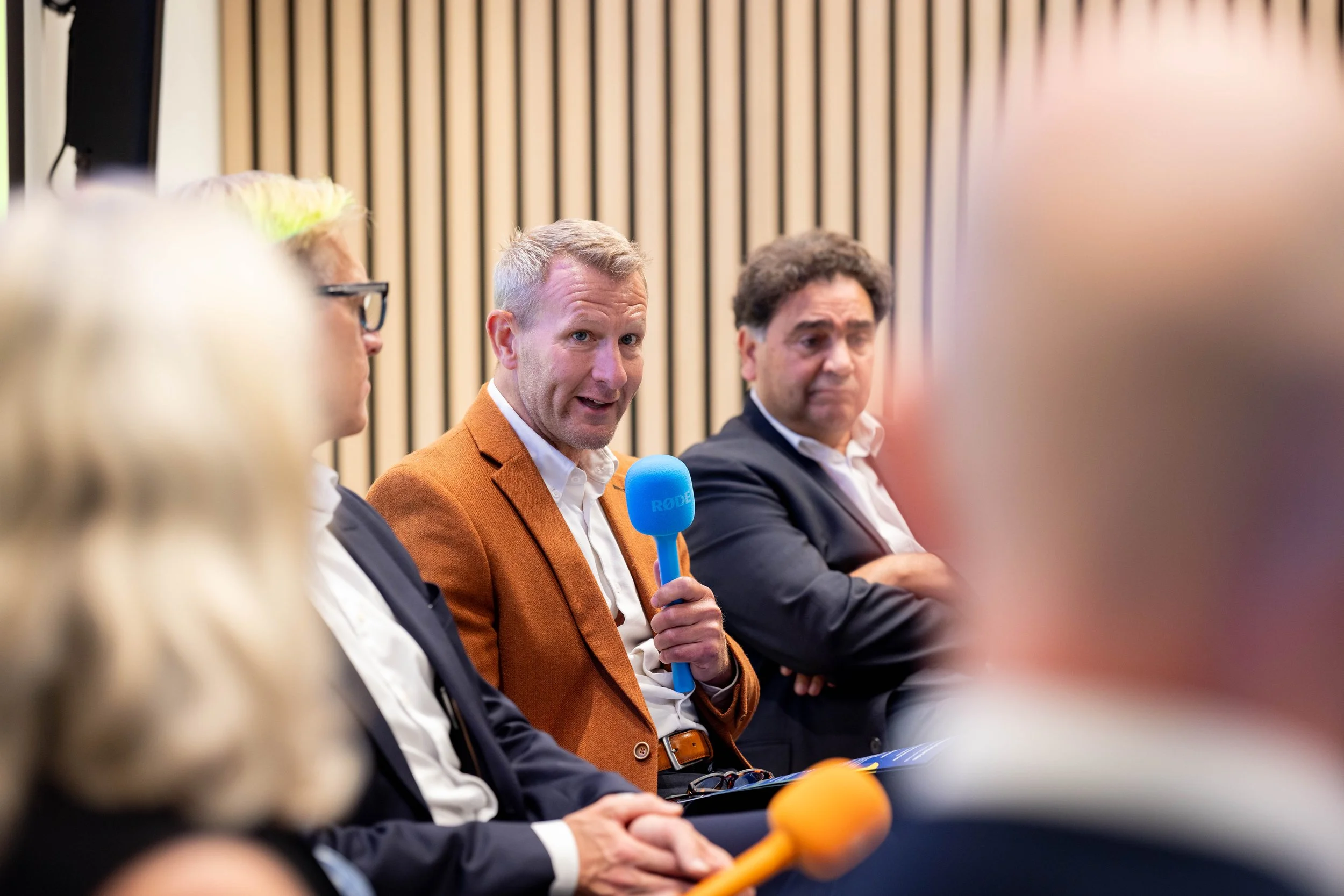
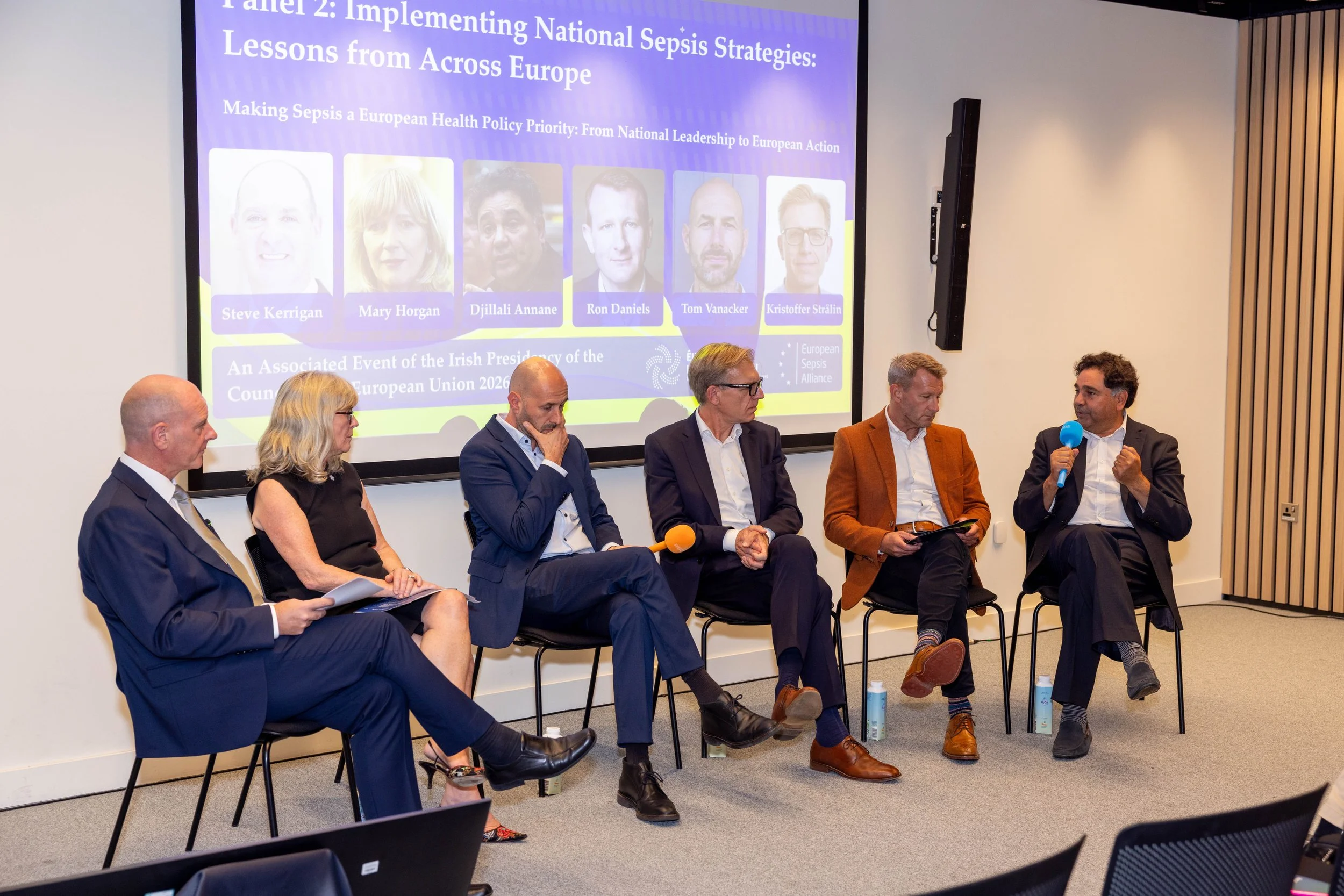
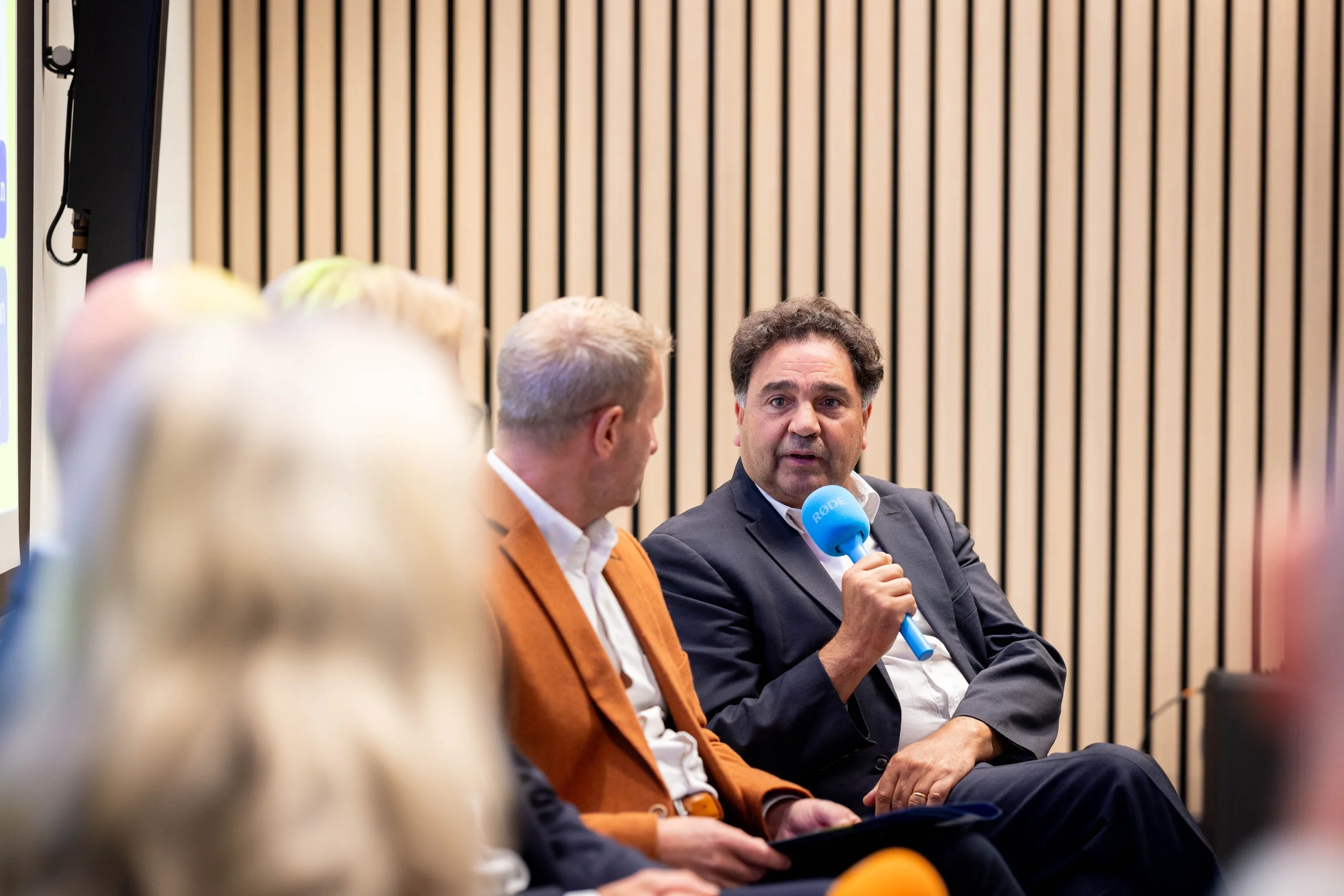
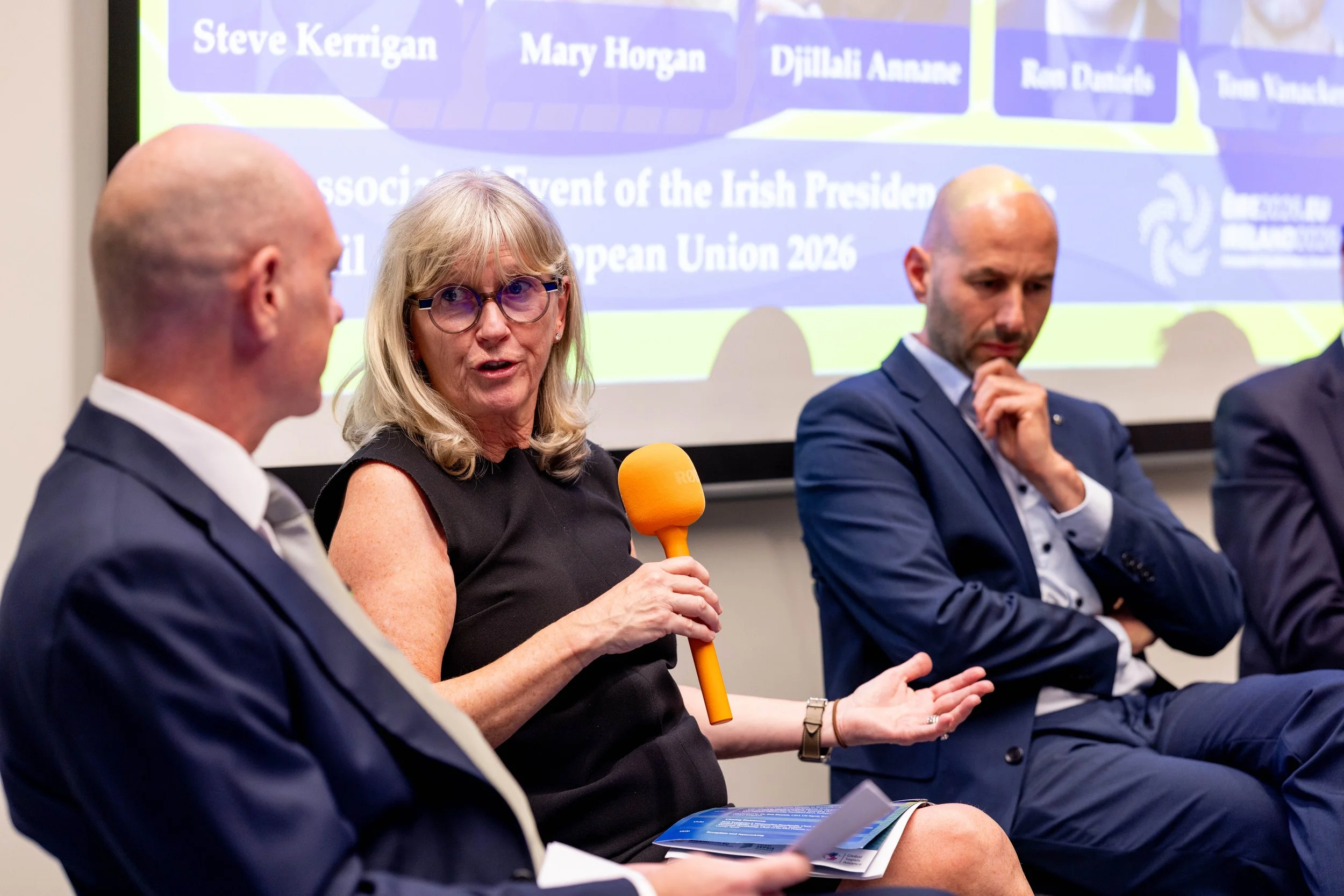
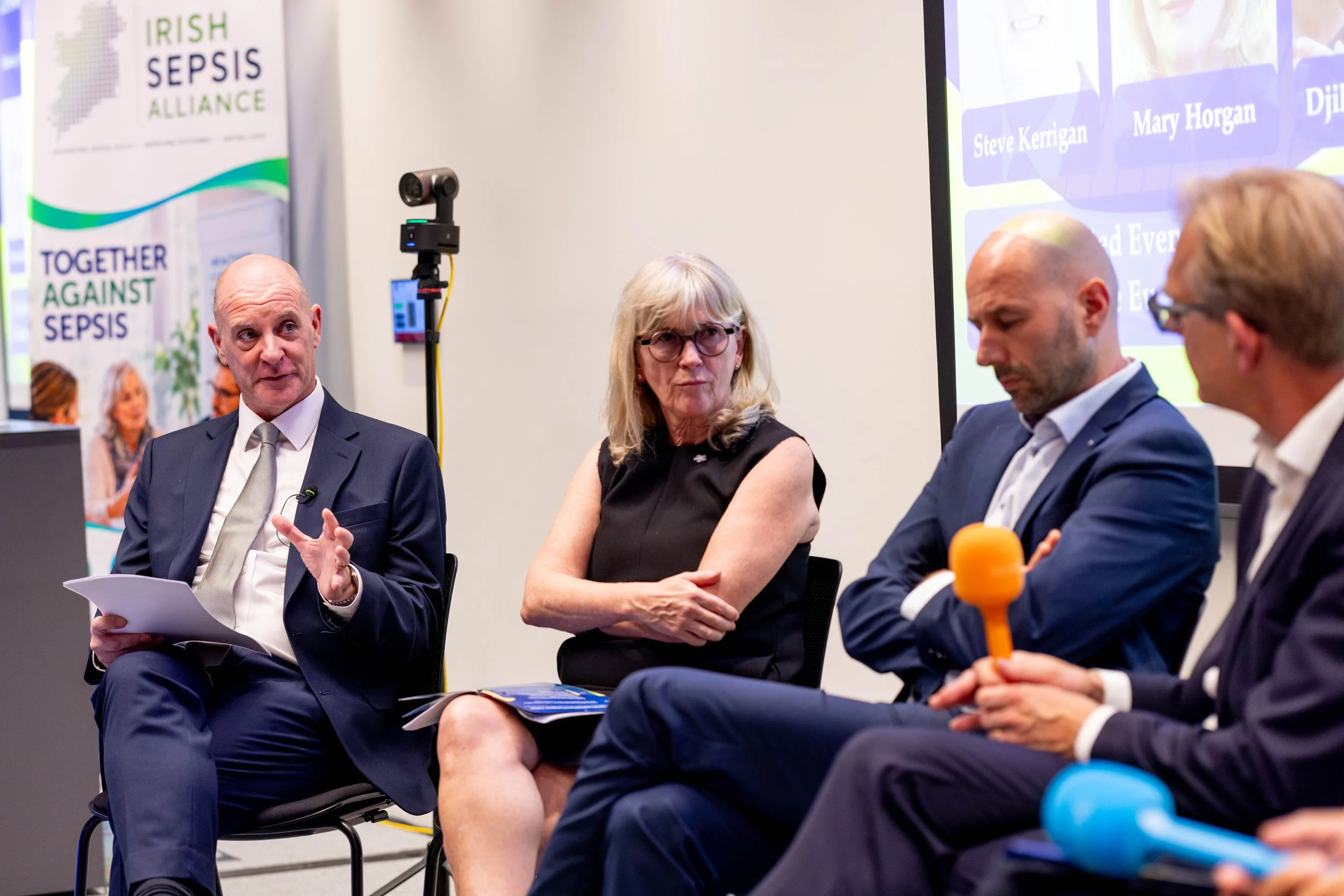
Prof. Steve Kerrigan, Prof. Mary Horgan, Tom Vanacker, Prof. Kristoffer Strålin, Dr. Ron Daniels, Prof. Djillali Annane
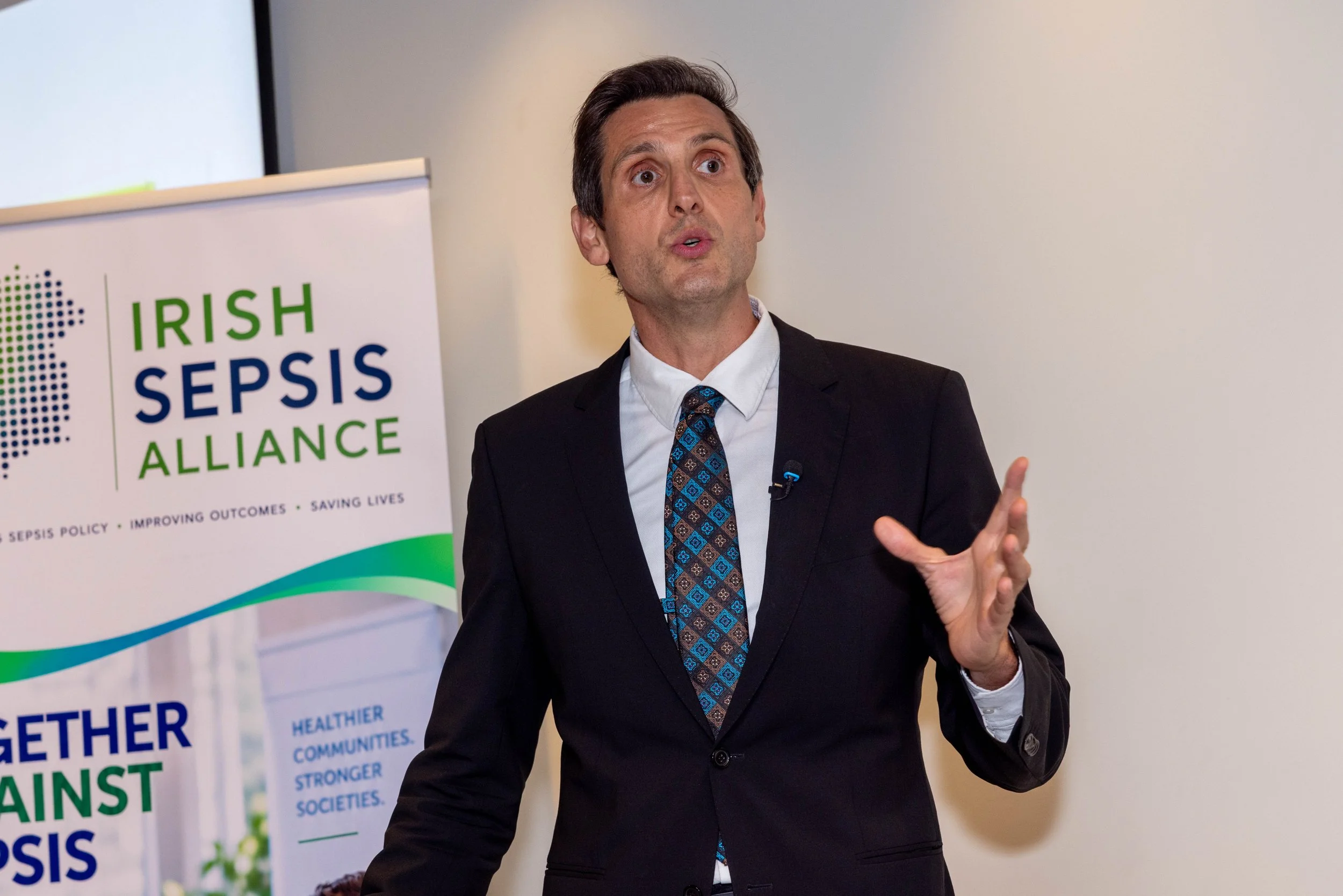
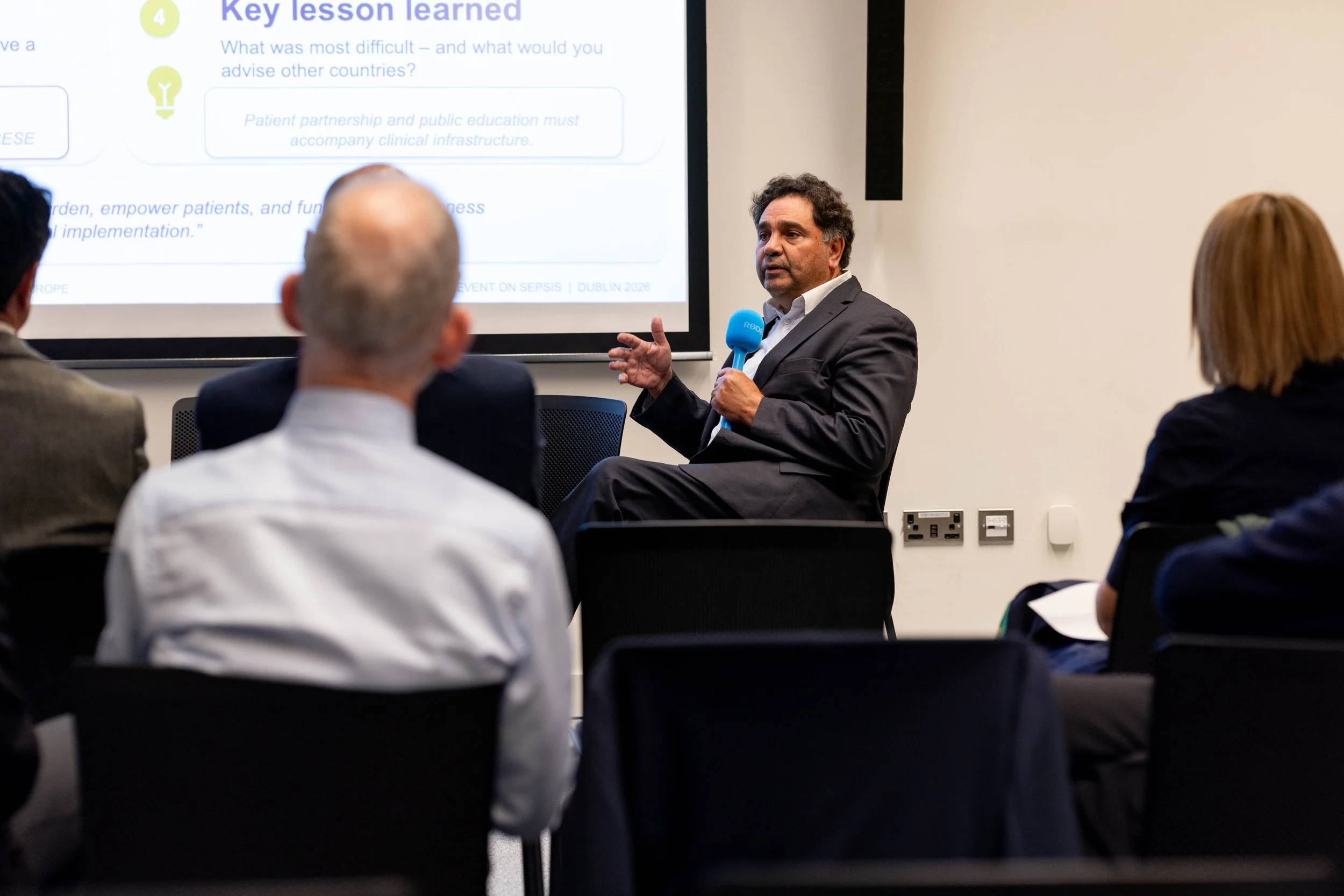
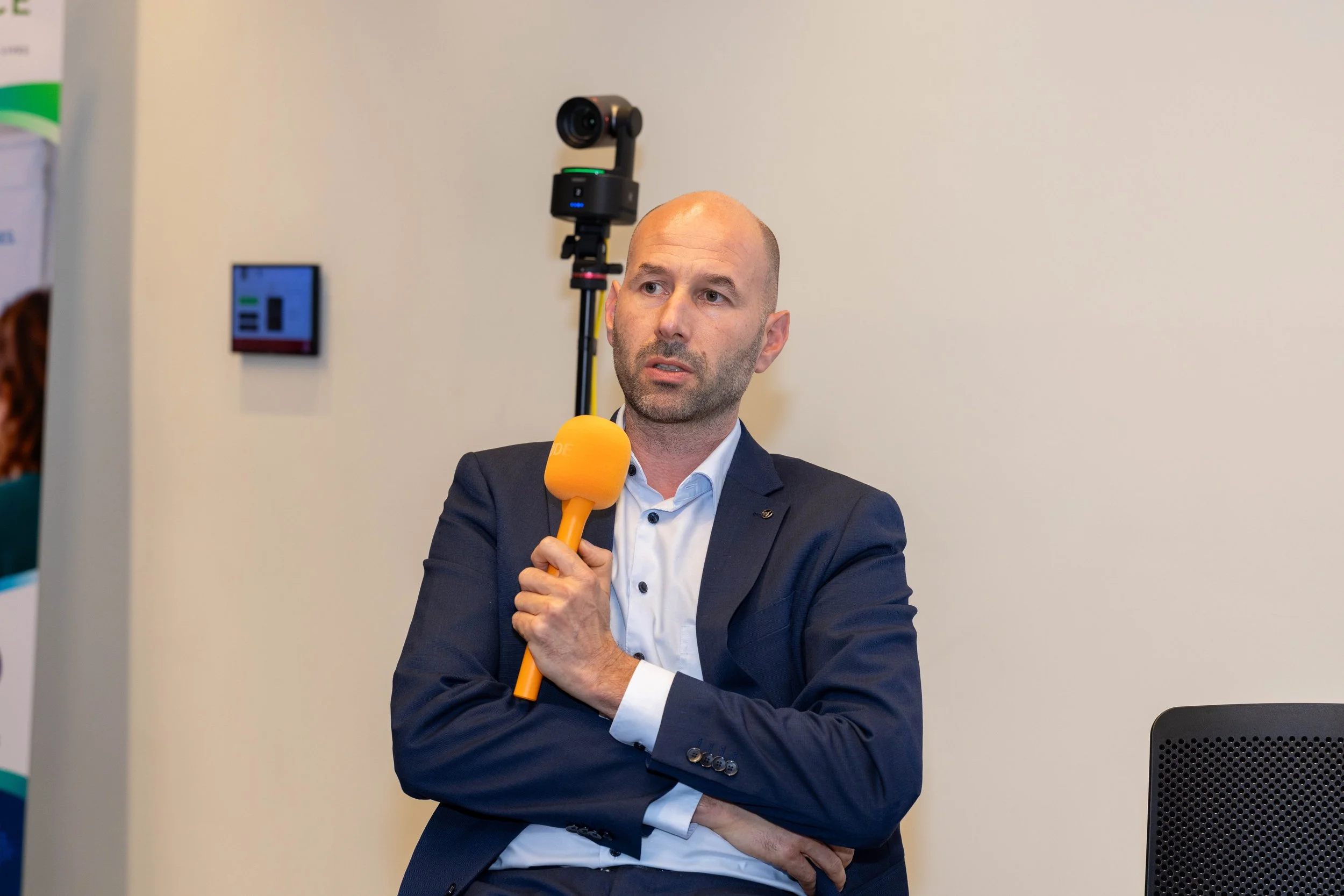
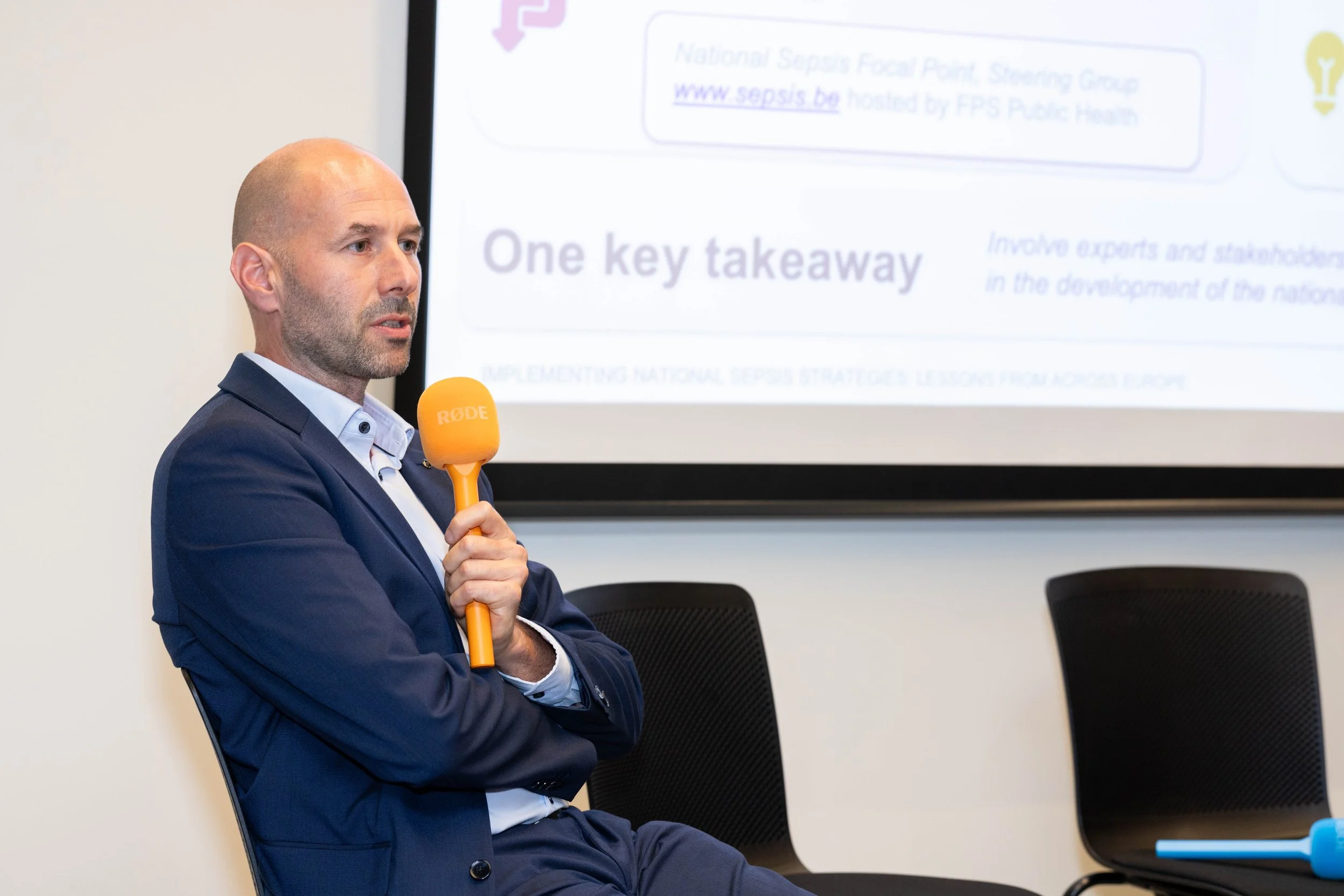
The second panel, chaired by Prof. Steve Kerrigan, produced a wealth of transferable evidence. Prof. Djillali Annane described France's national monitoring system, which revealed that 65% of sepsis patients had seen a GP in the preceding week — now reshaping prevention strategy. Dr. Ron Daniels traced the UK journey from near-zero clinical awareness in 2005 to a national service framework in which sepsis is one of three NHS priority conditions. Prof. Kristoffer Strålin shared Sweden's experience of raising public awareness from 21% to 73% following a government-backed national clinical pathway. Tom Vanacker, Belgium's newly appointed National Sepsis Coordinator, spoke of his country's rapid trajectory from documentary to government action in under twelve months.
““To choose not to have a national plan means that you accept inequity of care. And likewise, the lack of a European plan accepts inequity among European countries.””
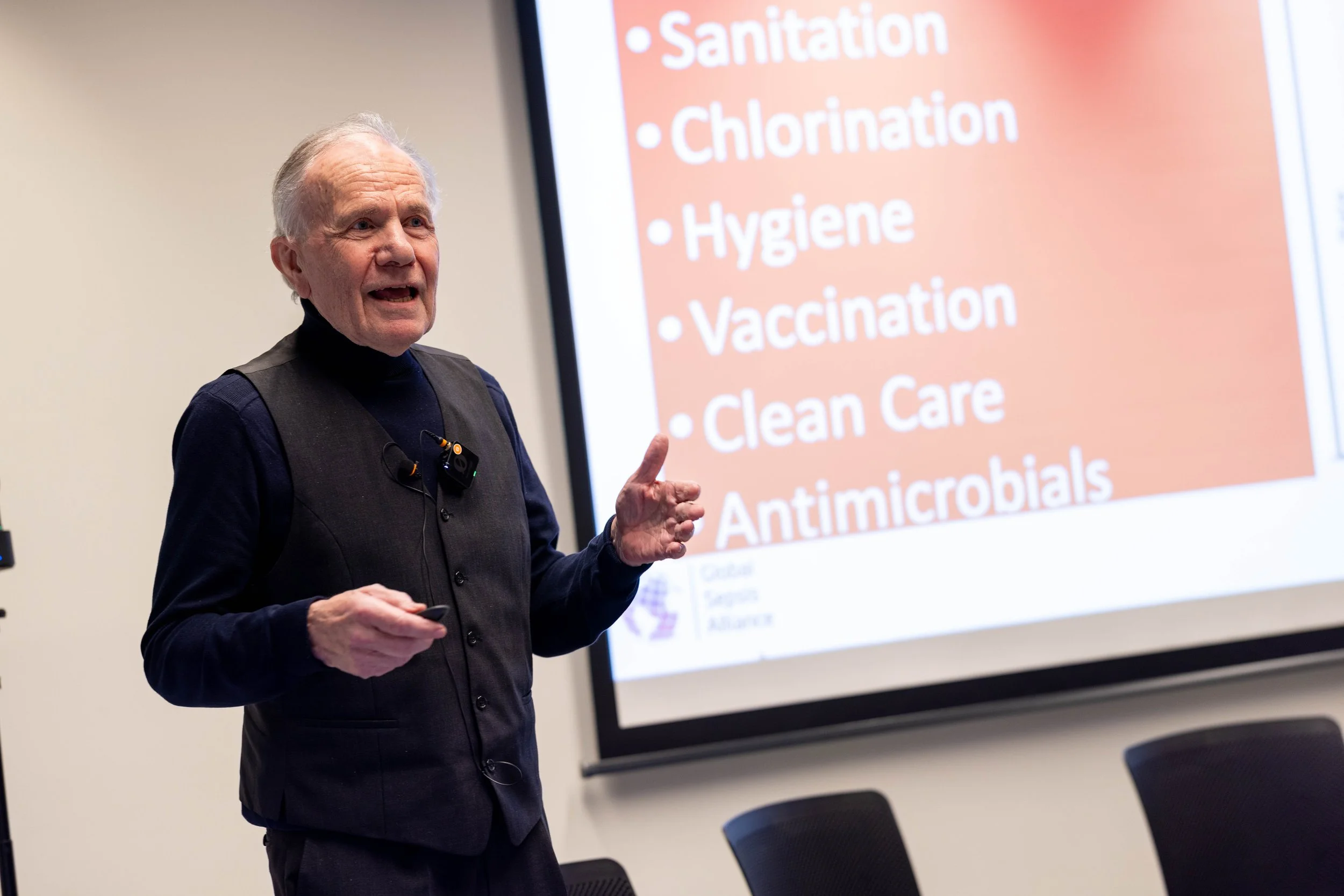
The closing session brought together MEP Billy Kelleher, who called in a video message for common EU-wide sepsis guidelines, Prof. Konrad Reinhart, Founding President of the Global Sepsis Alliance and President of the Sepsis Stiftung, who reminded the room that the disease must be transformed politically before it can be transformed scientifically, and Prof. Marlies Ostermann, President of the European Society of Intensive Care Medicine (ESICM), who underscored that sepsis preparedness must become an integral component of every pandemic preparedness plan in Europe.
“Behind every statistic we have discussed today is a person — and around that person is a family whose lives can be changed forever.”
The conference adopted policy recommendations, that will be transmitted to the European Commission, the Irish Presidency, and the incoming Lithuanian and Greek Presidencies, including a formal collective call for the development of a European Sepsis Plan, echoing the ESA Call to Action launched in Brussels already last year.
The next appointment is Athens, in the second half of 2027, during Greece's EU Council Presidency, for the 10th ESA Annual Meeting. Stay tuned!
Photo gallery