ESA Calls on Ireland to Include Sepsis in the EU Presidency Agenda, Supporting National Advocacy Efforts
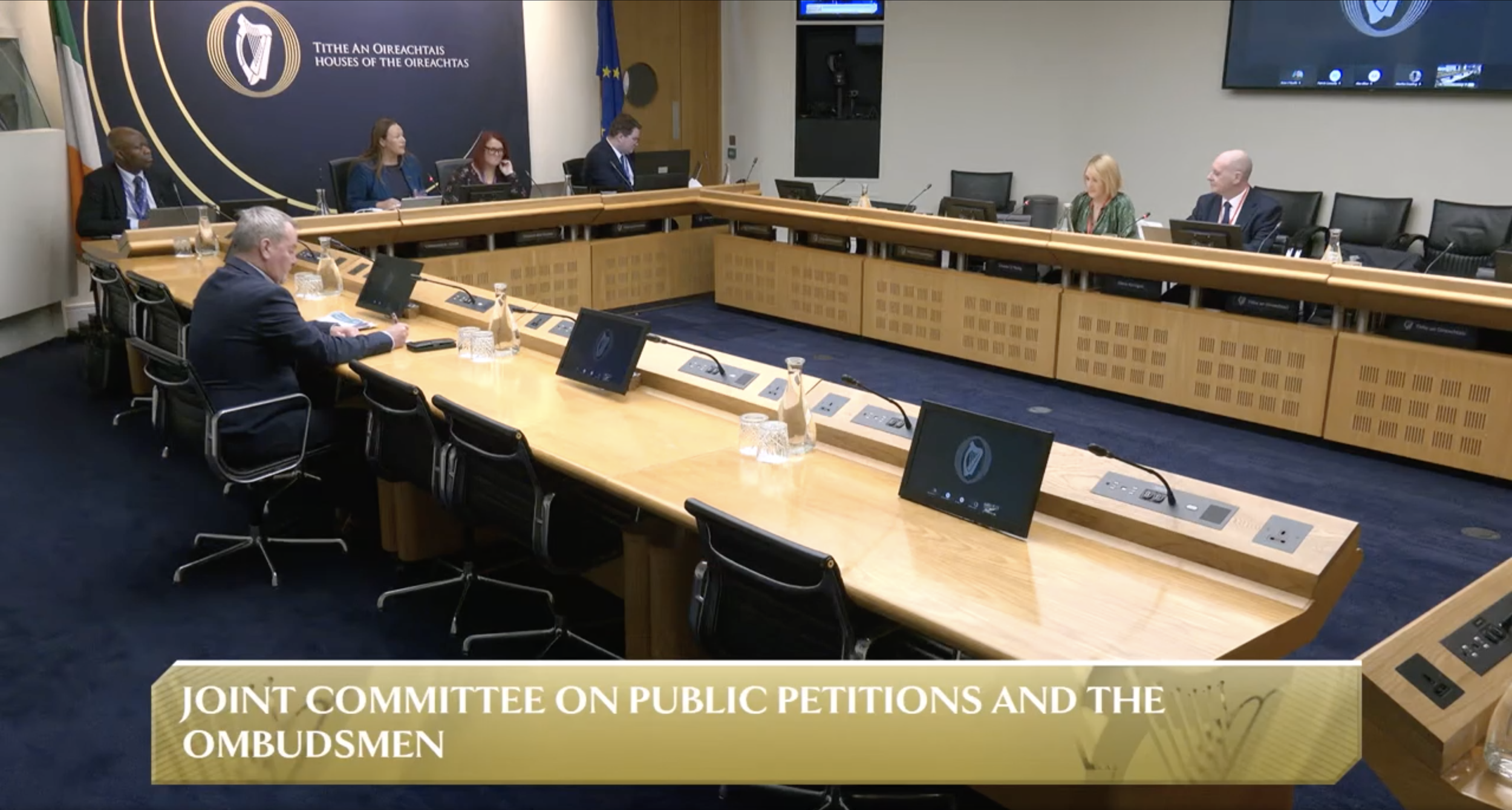
Sinéad O'Reilly and Prof. Steve Kerrigan at the Oireachtas Joint Committee on Public Petitions and the Ombundsmen
As Ireland prepares to assume the Presidency of the Council of the European Union on 1 July 2026, the European Sepsis Alliance (ESA) has addressed Taoiseach Micheál Martin and Minister for Health Jennifer Carroll MacNeill in a letter urging them to seize this unique opportunity to place sepsis on Europe’s health policy agenda.
The letter follows months of sustained advocacy by Irish sepsis advocate Sinéad O’Reilly and Prof. Steve Kerrigan of the Royal College of Surgeons in Ireland (RCSI), who have appeared before the Oireachtas Joint Committee on Public Petitions and the Ombudsmen to make the case for coordinated European action on sepsis. At the heart of this effort lies the story of Sarah, a 34-year-old woman and mother of twins, who died of sepsis eleven weeks after being admitted to hospital.
Sarah’s story is also the story of hundreds of thousands of patients across Europe who continue to die because sepsis is not recognised and treated in time. The European Sepsis Care Survey has documented wide and persistent disparities among Member States in hospital infrastructure, workforce training, and standardised clinical protocols. The Irish Presidency offers a unique opportunity to begin closing these gaps.
The message from Sinéad O’Reilly, Prof. Kerrigan, ESA, WHO Europe, European policymakers, and the signatories of the ESA Call to Action is clear: use this moment to initiate a coordinated European response to sepsis.
Building Political Momentum in Ireland
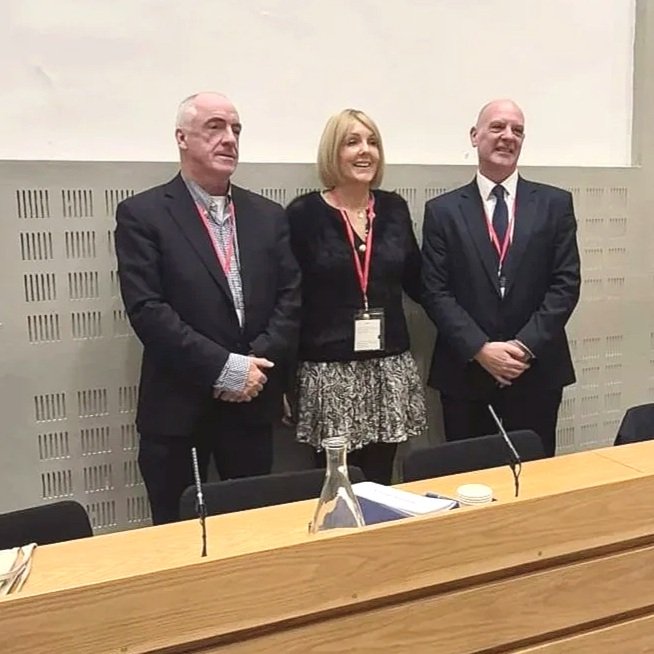
Ciaran Staunton, Sinéad O'Reilly and Prof. Steve Kerrigan at the second aution of the Oireachtas Joint Committee on Public Petitions and the Ombundsmen
On 17 February 2026, the Joint Oireachtas Committee on Public Petitions and the Ombudsmen convened to hear Petition No. P00070/25, which called on the Irish Government to place sepsis awareness and management on the agenda of its upcoming Presidency of the Council of the European Union.
Sinéad O’Reilly and Prof. Steve Kerrigan of RCSI University of Medicine and Health Sciences appeared before the Committee, chaired by Deputy Louise O’Reilly, to present the evidence and make the case for Irish leadership on sepsis.
The hearing prompted a strong response from Committee members, including Deputy Brendan Smith, Senator Páraic Brady, and Senator Aubrey McCarthy, and a commitment from Minister of State Niamh Smyth, who had previously met with Sinéad and other sepsis advocates.
Sinéad and Prof. Kerrigan returned before the Committee on 22 April 2026, alongside GSA Board Member Ciaran Staunton, to build on this momentum. As a result, Committee members have requested a meeting with Taoiseach Micheál Martin, which is currently being arranged.
Sarah’s story: a family tragedy transforming sepsis policy response in Ireland
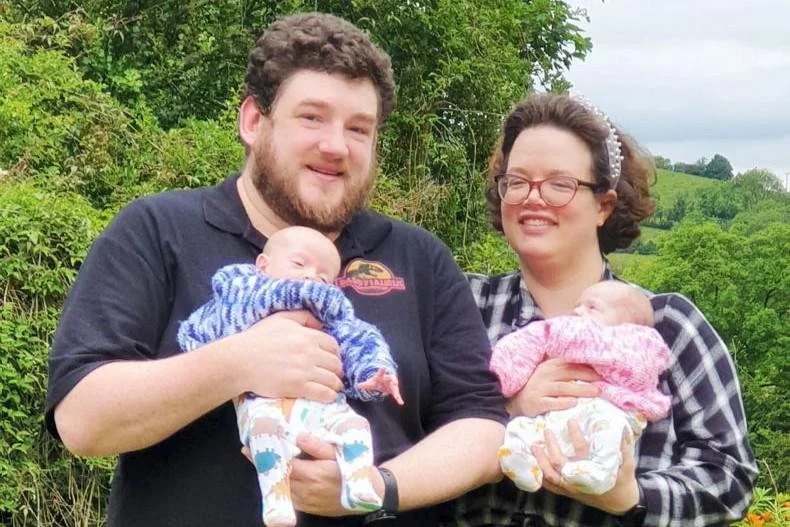
Sarah was 34 years old when she died. She worked as a Vigilance Specialist for Baxter Healthcare and excelled in her profession. She enjoyed baking, arts and crafts, and professional photography, but languages were her true passion. Originally from Germany, she was fluent in German, French, and English, and after moving to Ireland, she had also begun mastering the Irish language.
Sarah moved to Ireland 13 years ago after meeting my brother Patrick. Following a three-year-long-distance relationship, they married and were overjoyed when they bought their first home together. However, Sarah’s greatest dream was to start a family and become a mother.
The journey was not straightforward. Sarah underwent arduous fertility treatment and IVF before becoming pregnant with their precious twins, Lilly and PJ, whom we all regarded as little miracles.
Eleven weeks after the twins were born, I received a call from Sarah one Saturday morning in August. She told me that she had been vomiting during the night and was experiencing severe pain in her right side.
At the time, I was working as a Tissue Viability Clinical Nurse Specialist. Based on Sarah’s symptoms, I suspected gallstones and advised her to attend the Emergency Department for assessment and further investigations. This was during the COVID-19 restrictions, when family members were not permitted to accompany loved ones to the hospital.
Sarah attended the Emergency Department that morning. We remained in regular contact throughout the day, and she told me, in her own words, “They don’t know what’s wrong with me.”
I became increasingly concerned when I spoke with her later that evening because she did not sound like herself.
I contacted the hospital and explained my concerns to a staff member. I asked about Sarah’s treatment plan and was informed that she had pancreatitis, was doing well, and was receiving stronger pain relief. I was reassured that there was no cause for concern and felt relieved to hear this. I trusted that Sarah was receiving safe and appropriate care in the hospital where I myself worked.
Later that night, at approximately 3:30 a.m., I received a call informing me that Sarah had been transferred to the Intensive Care Unit but was stable. As a nurse, I understood the seriousness of both pancreatitis and an ICU admission, and I asked whether I should come to the hospital. Once again, I was reassured that there was no need to attend until morning and that Sarah remained stable.
When I arrived at the ICU the following morning, I was shocked to learn that Sarah had been diagnosed with sepsis and was experiencing multiple organ failure.
I never thought to ask, “Could it be sepsis?”
As Sarah’s condition deteriorated, she required urgent transfer to a higher-level care facility. By then, 28 hours had passed since her admission.
Sarah spent the next eleven weeks intubated in intensive care, fighting the greatest battle of her life. She received exceptional care, and the staff went above and beyond to keep her babies at the centre of her recovery. It was clear that Sarah was fighting to stay alive for Lilly and PJ and to continue being the mother she had always dreamed of becoming.
Tragically, Sarah died eleven weeks after her hospital admission, at just 34 years of age. She left behind my brother Patrick, now a widower, and Lilly and PJ, who would grow up without their mother.
Only eight months earlier, they had moved into what they hoped would be their forever home.
Sarah had presented with many of the signs and symptoms of sepsis from the moment she arrived at the hospital. Yet sepsis was not recognised or diagnosed despite assessments by emergency, surgical, and nursing teams.
Never in a million years did we imagine that, when Sarah was transferred to Beaumont Hospital, it would be the last time we would ever hear her speak.
Today, all we have are photographs and videos for her children to remember her by.
The story above was written by Sinéad O’Reilly and is shared with her explicit consent. The views expressed are those of the author and do not necessarily reflect those of the European Sepsis Alliance. This story is not intended to provide, nor should it be interpreted as providing, medical advice.