Looking back at the 9th Annual Meeting of the ESA: a reinvigorated commitment to fight sepsis in Europe
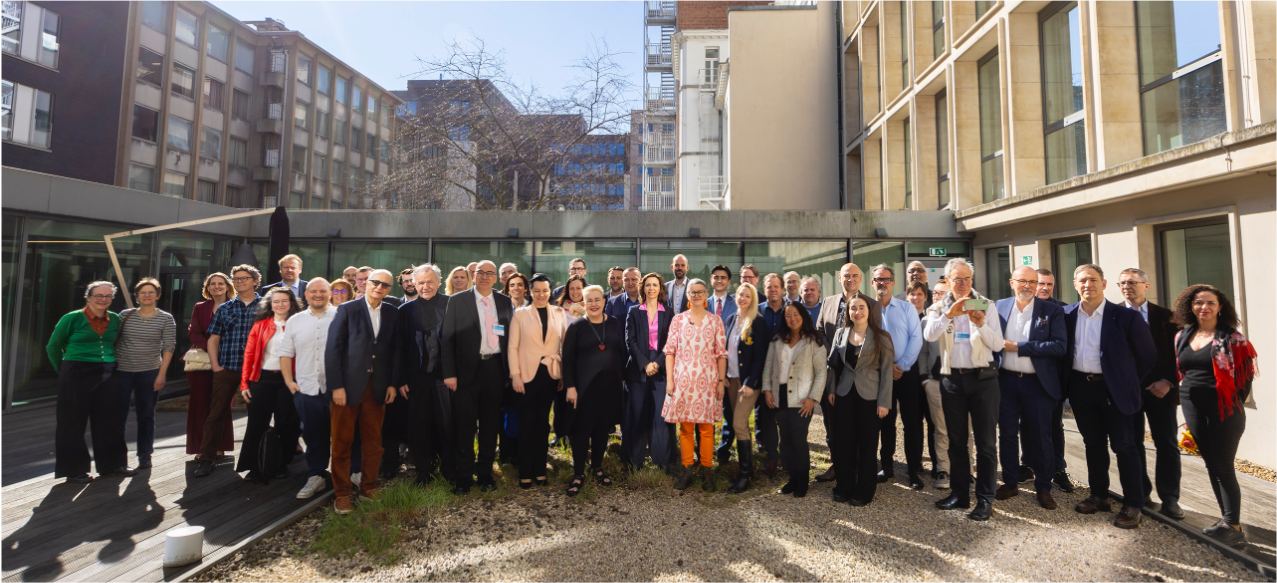
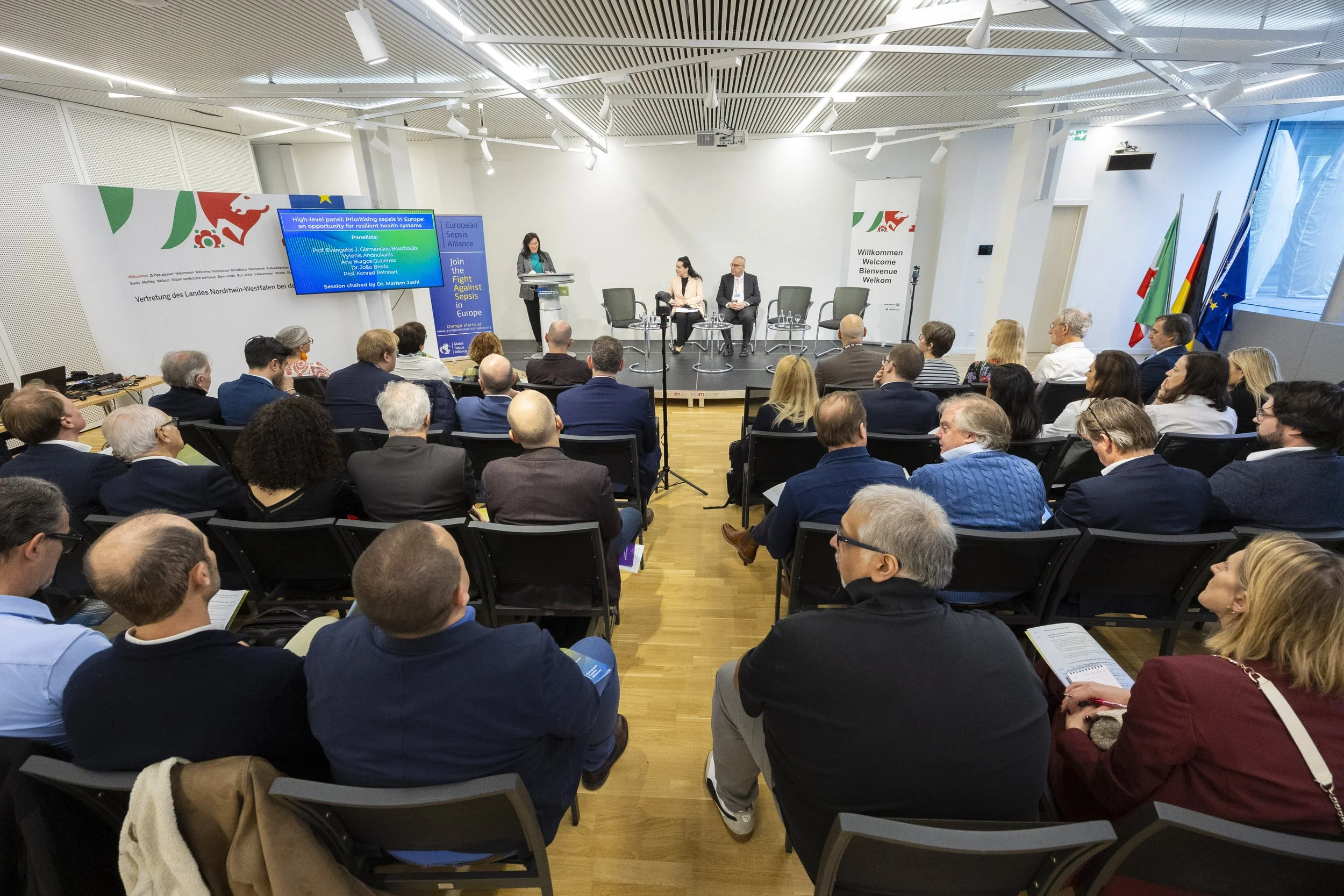
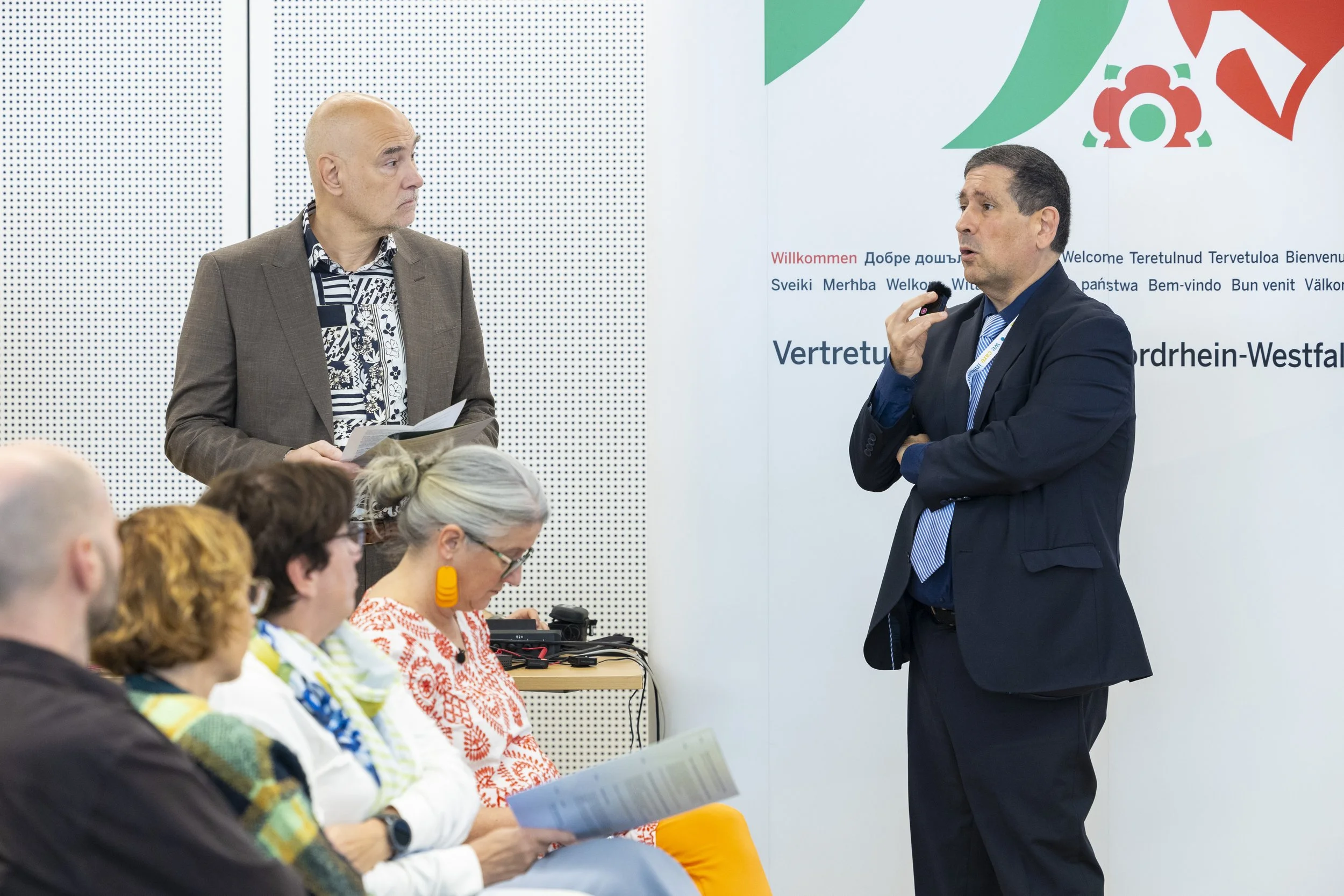
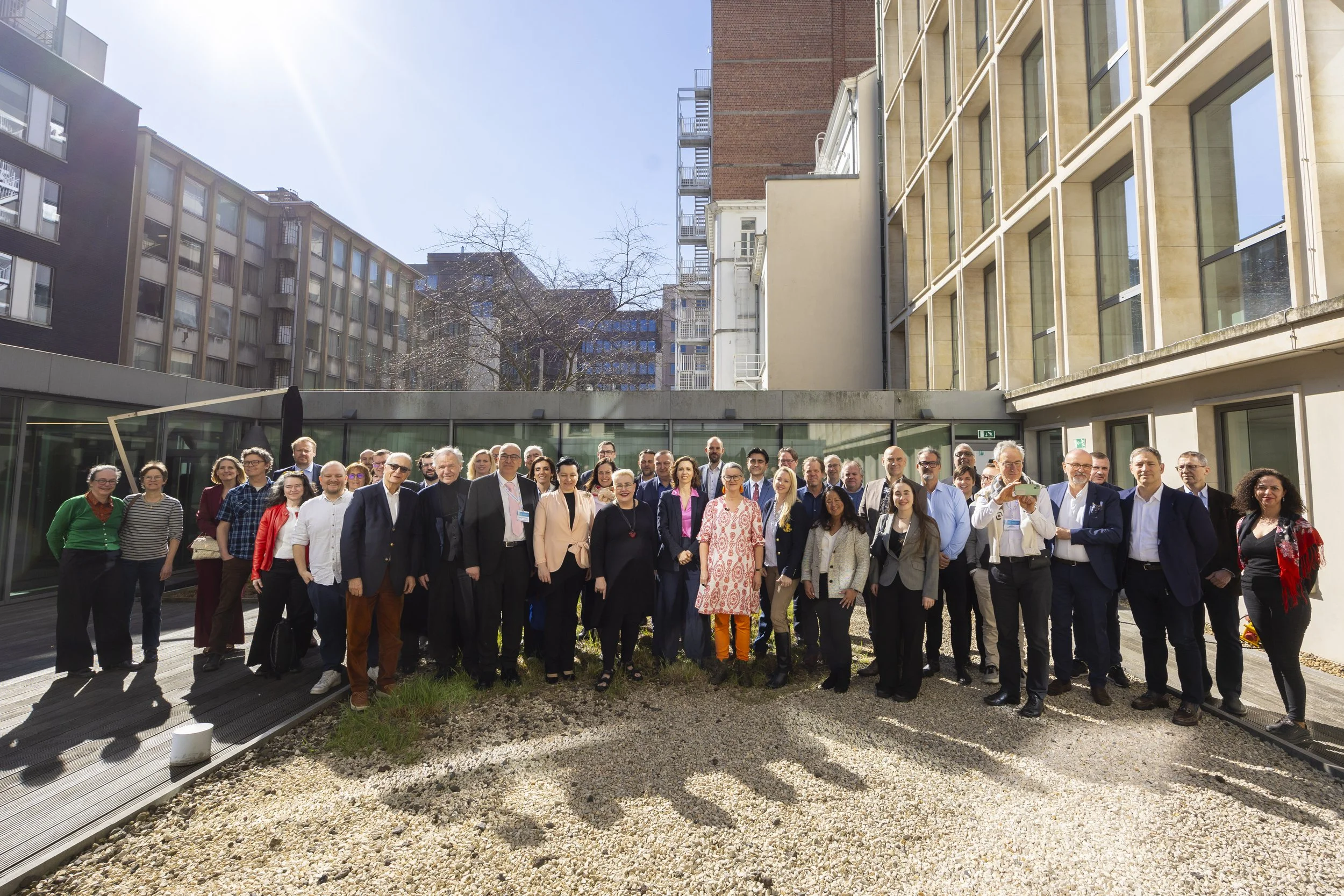
The 9th Annual Meeting of the European Sepsis Alliance brought together policymakers, physicians, researchers, patient advocates, and global health leaders in Brussels, at the Representation of North Rhine-Westphalia to the EU, with a dense programme of high-level dialogue, clinical updates, and powerful survivor testimonies. One year on from its launch, the meeting reinvigorated the Call to Action for Sepsis in Europe launched at the European Parliament, and was the forum for growing multiskaheolder support to the fight against sepsis in Europe.
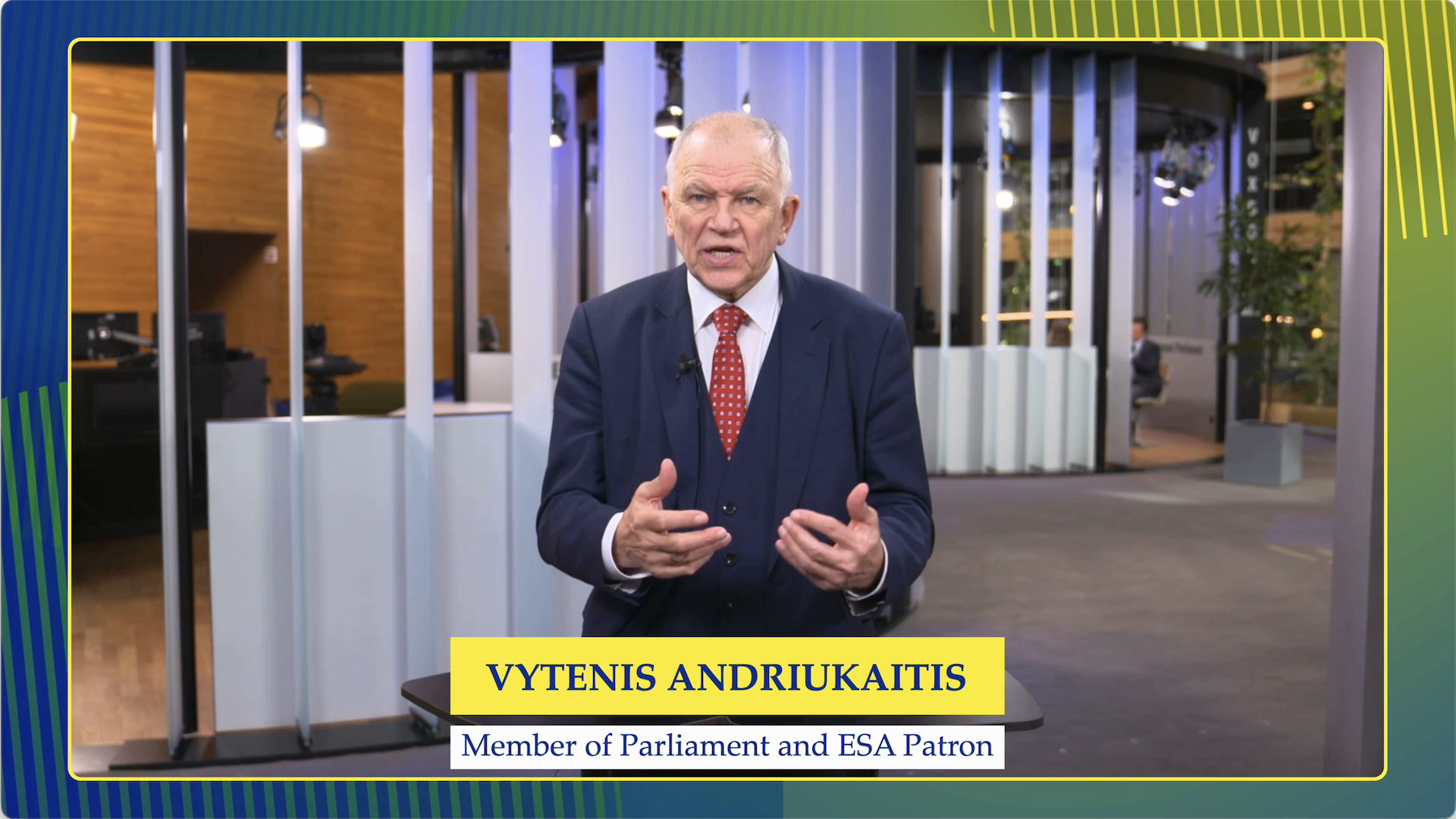
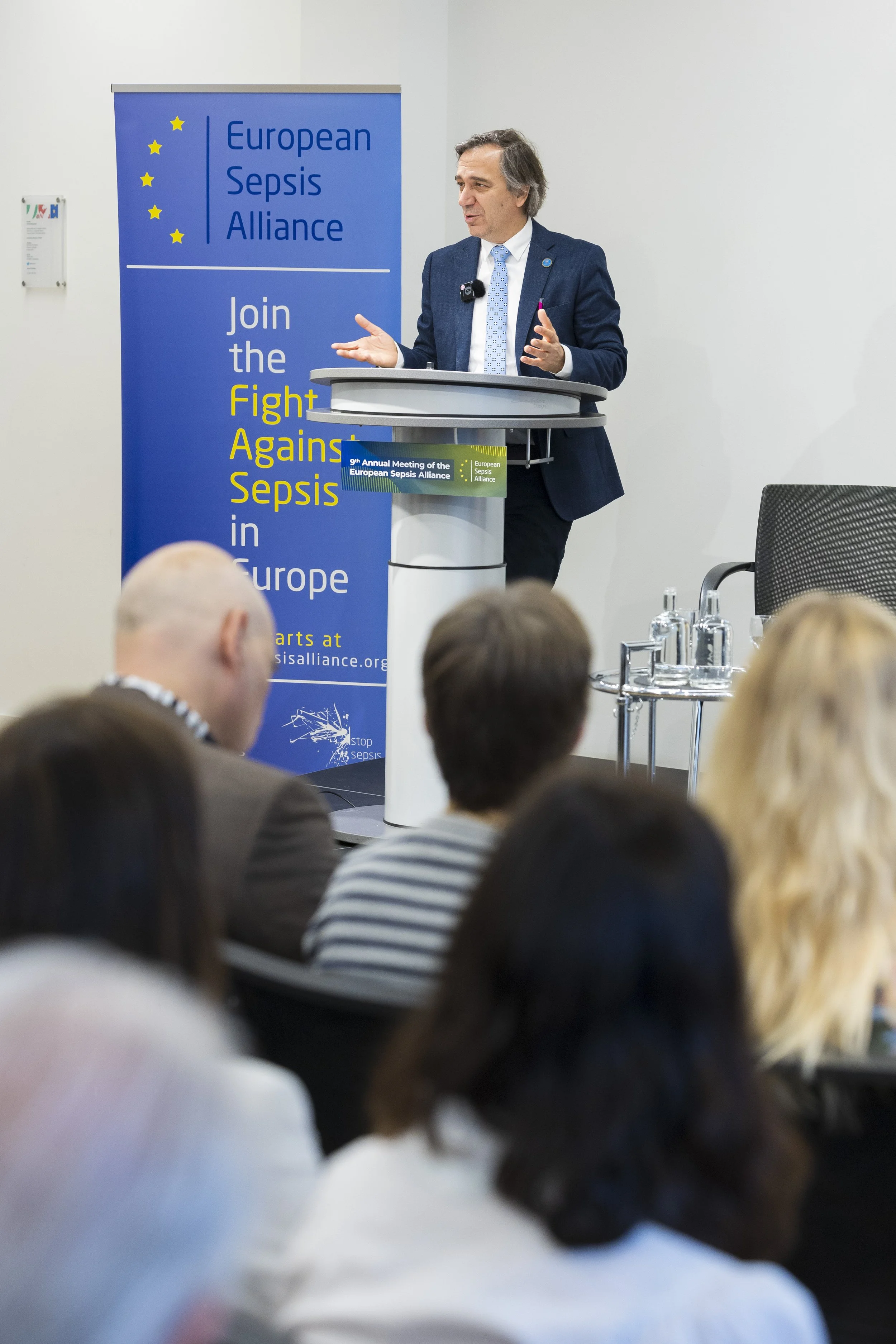
Hon. Vytenis Andriukaitis
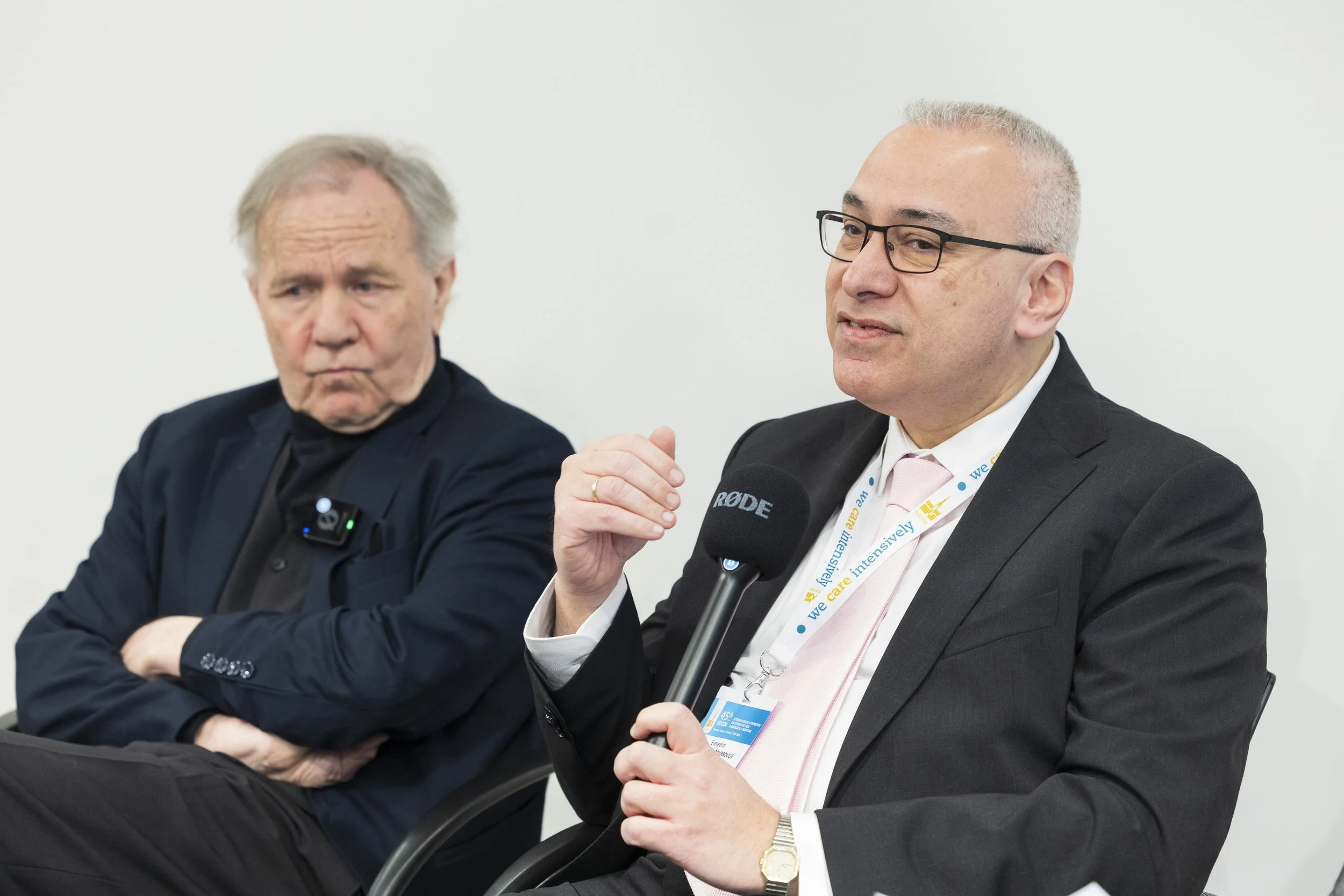
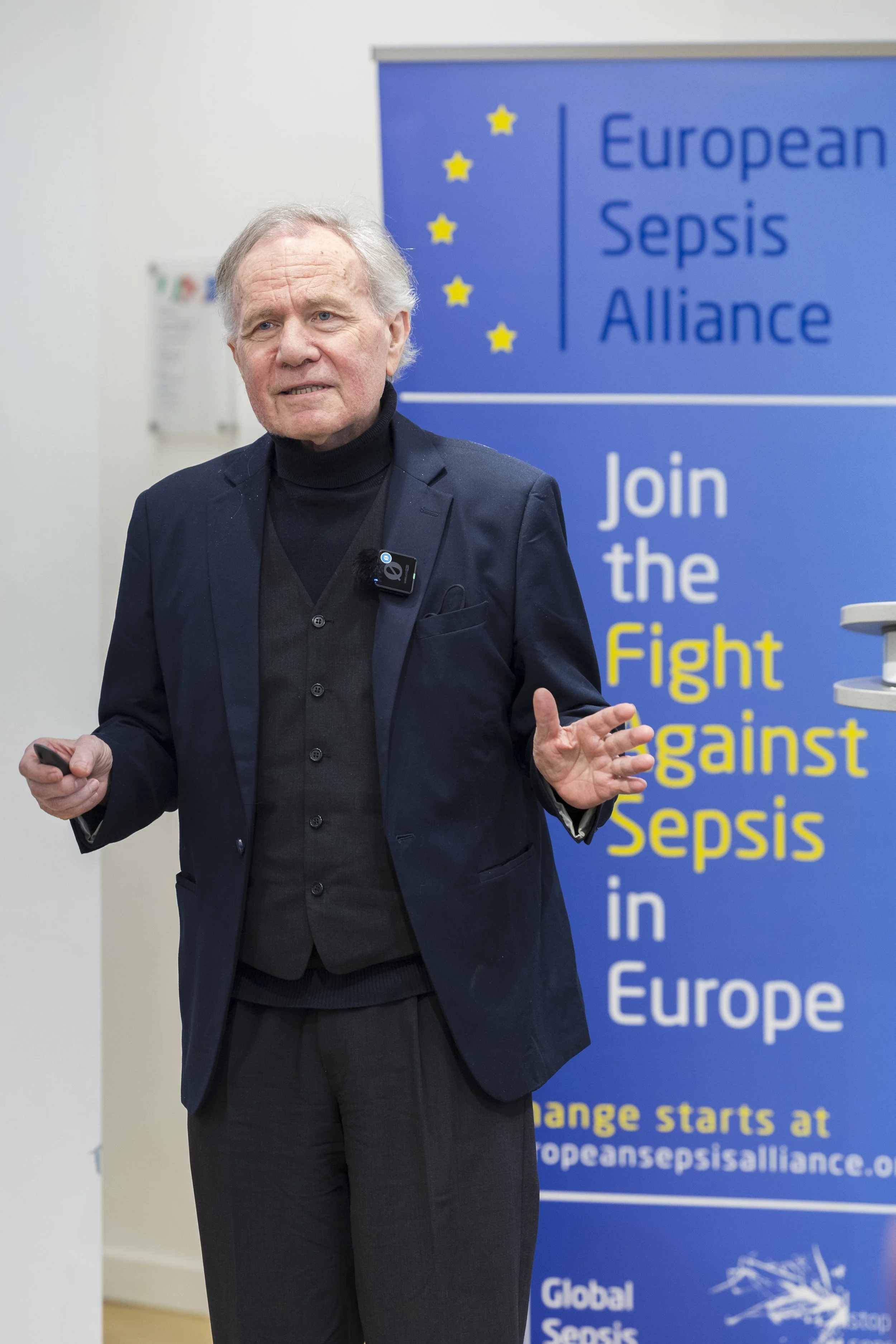
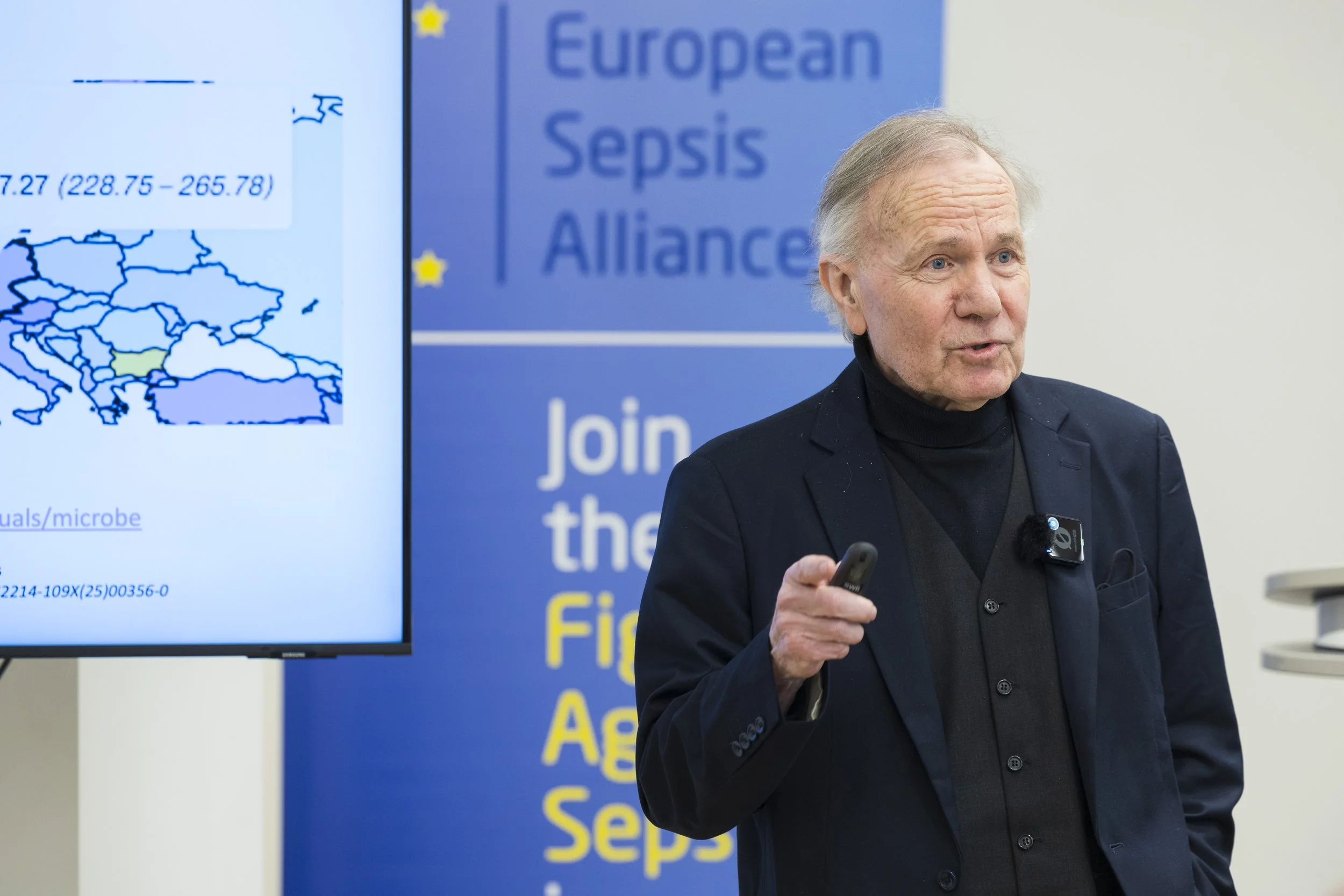
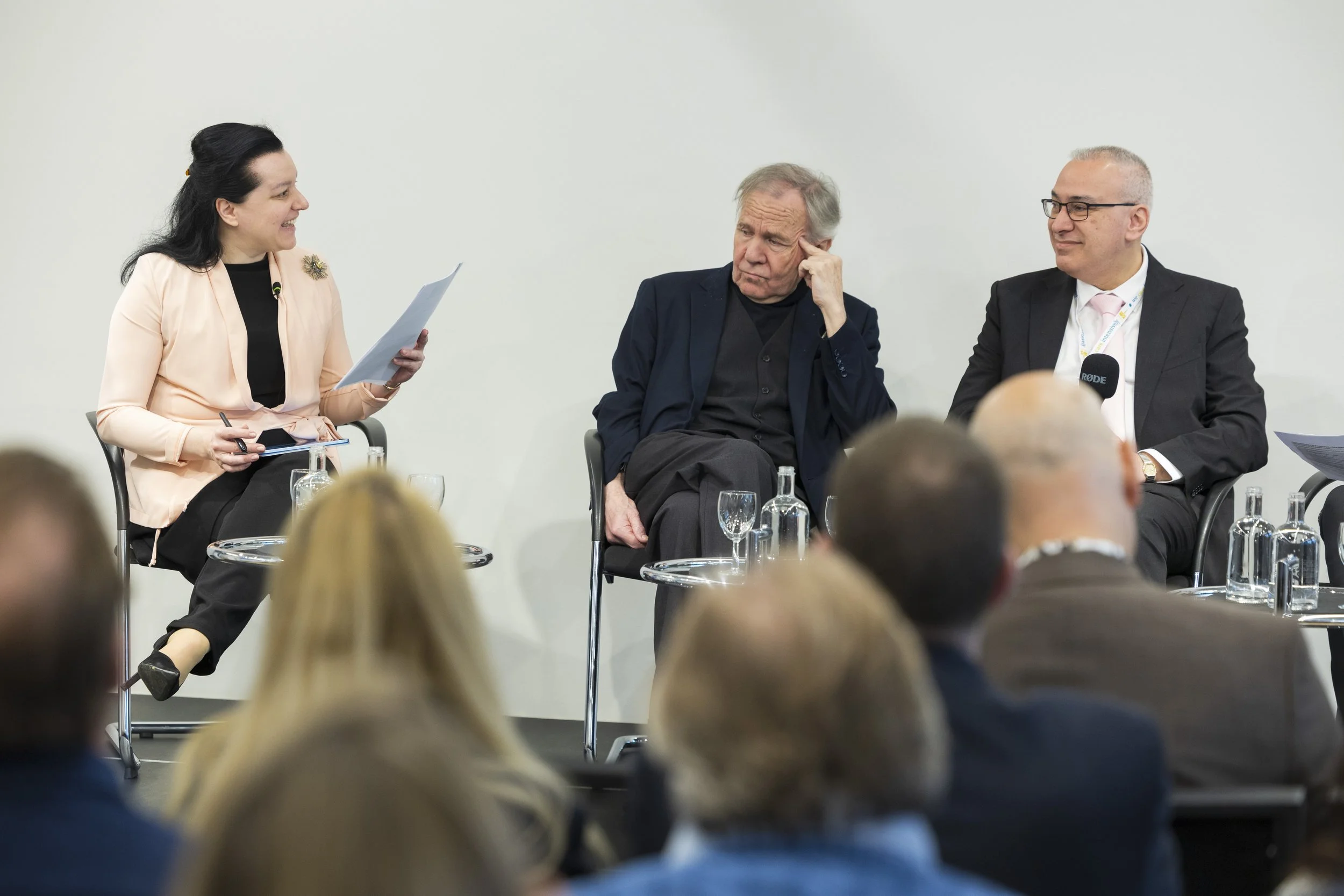
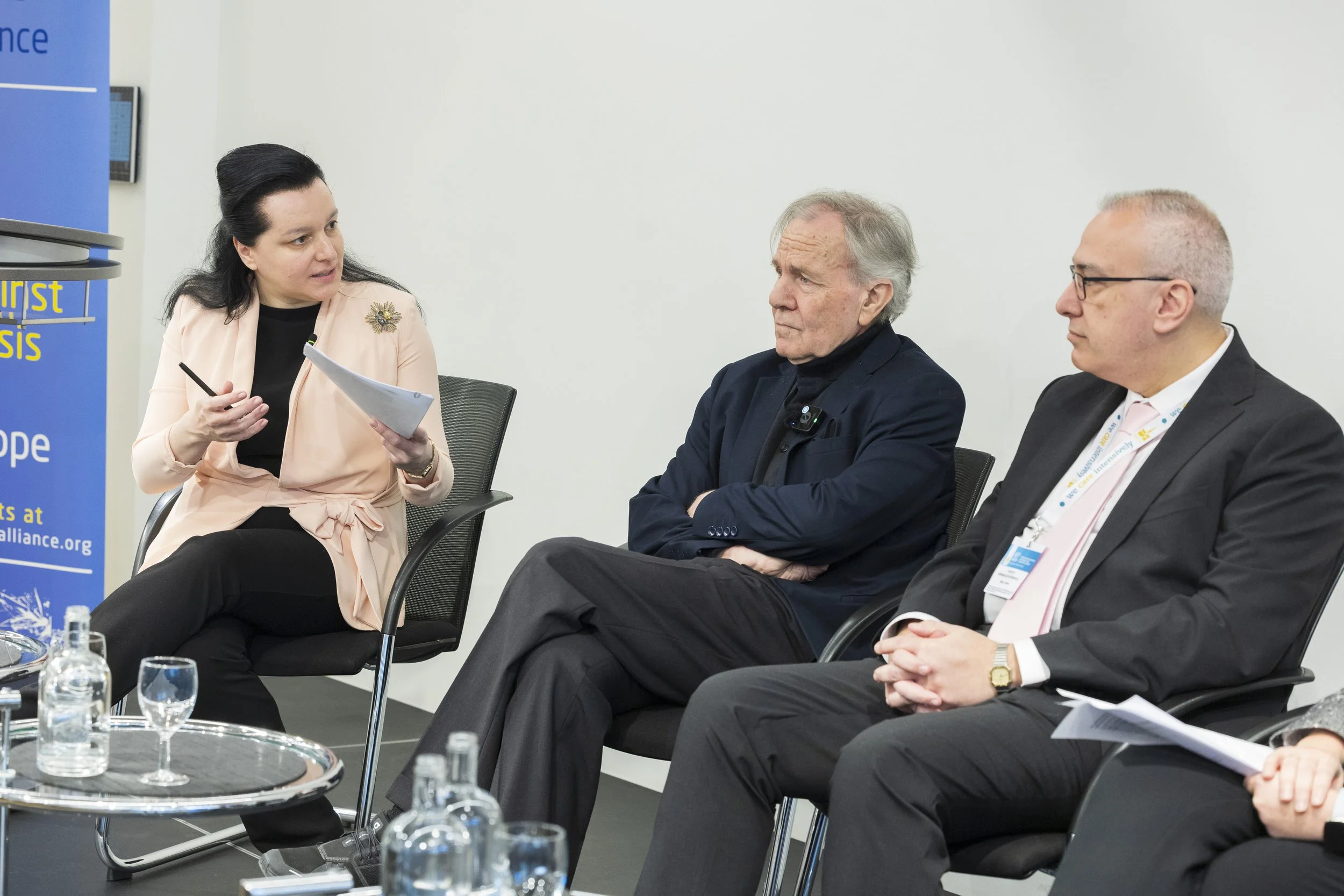
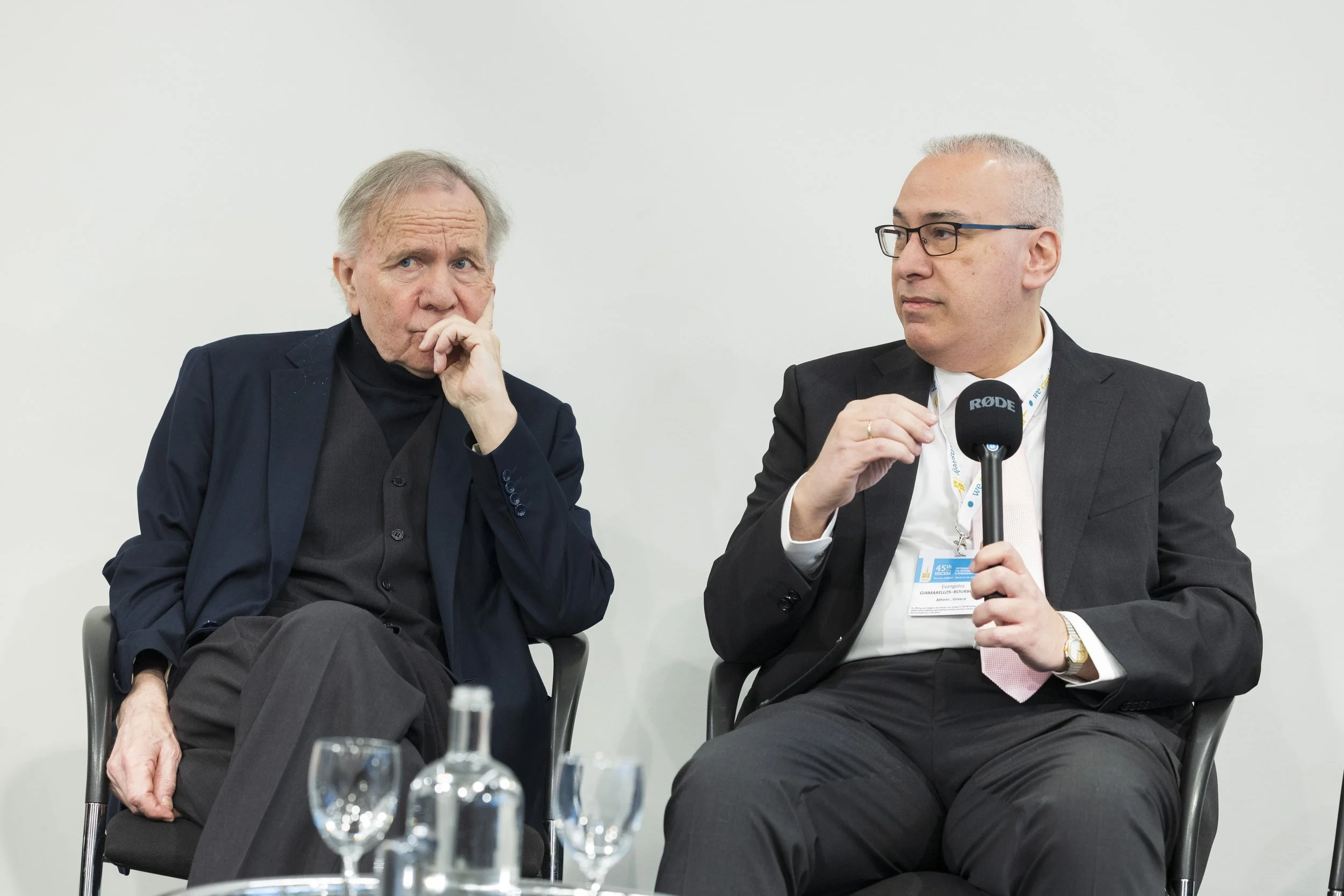
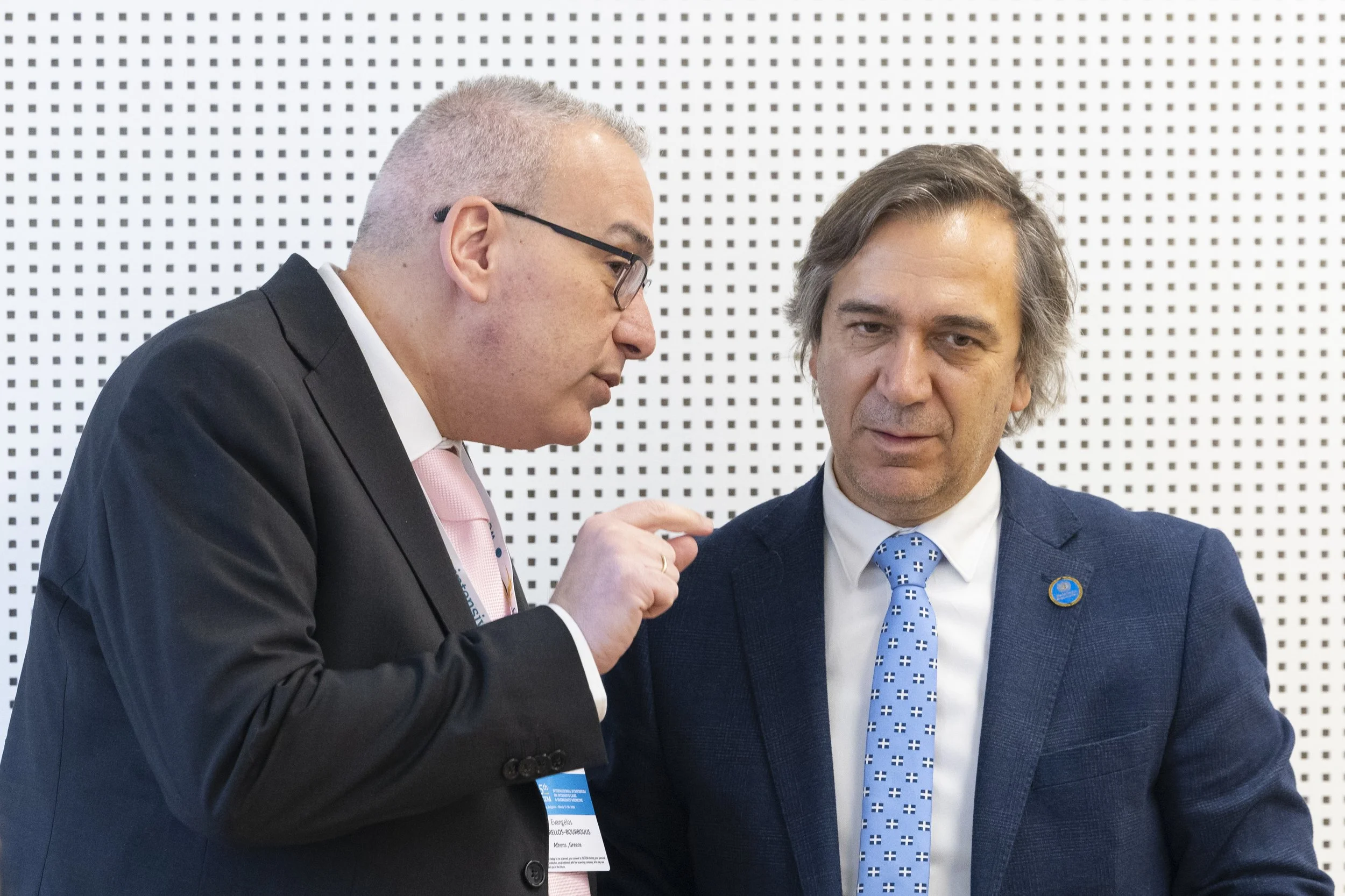
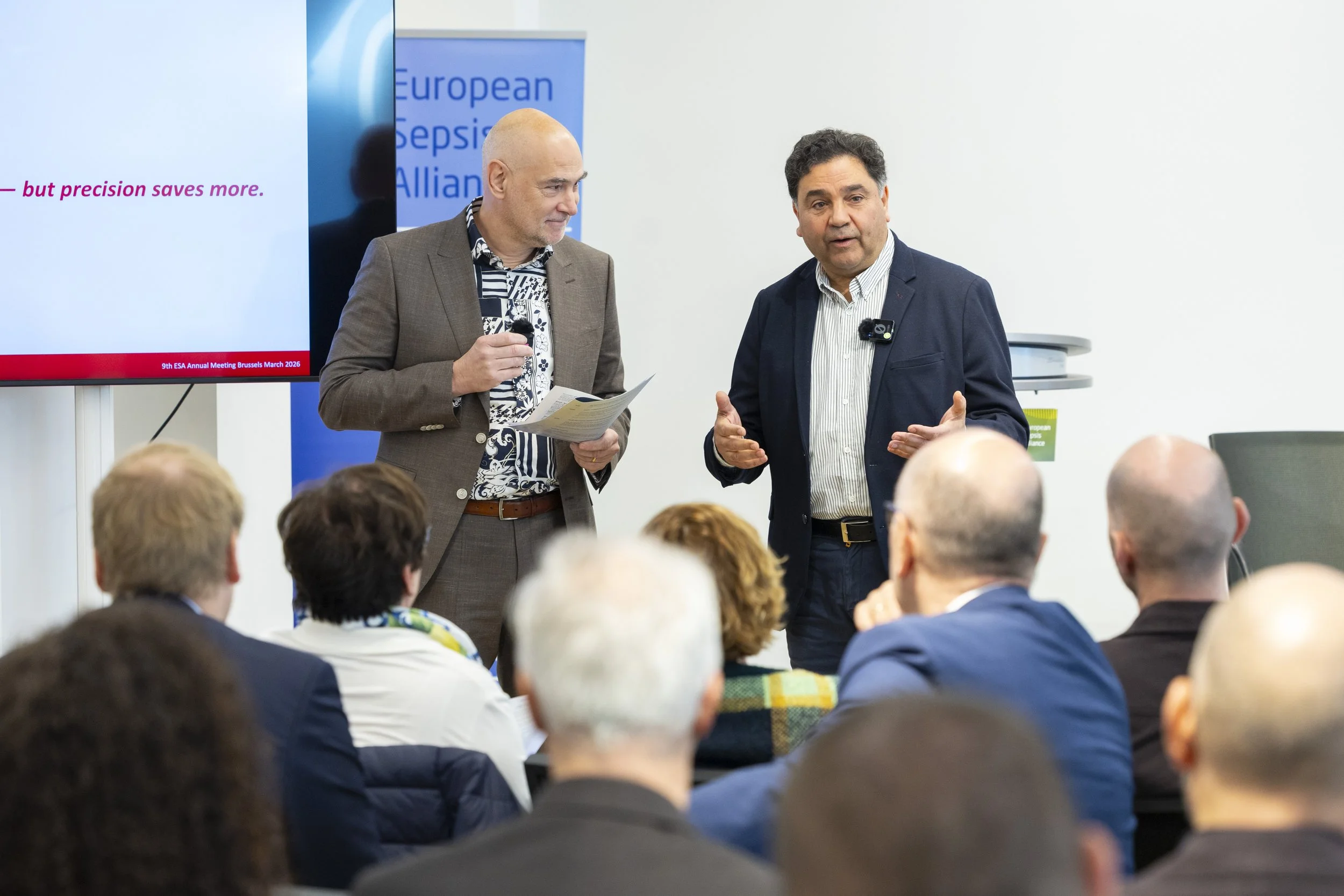
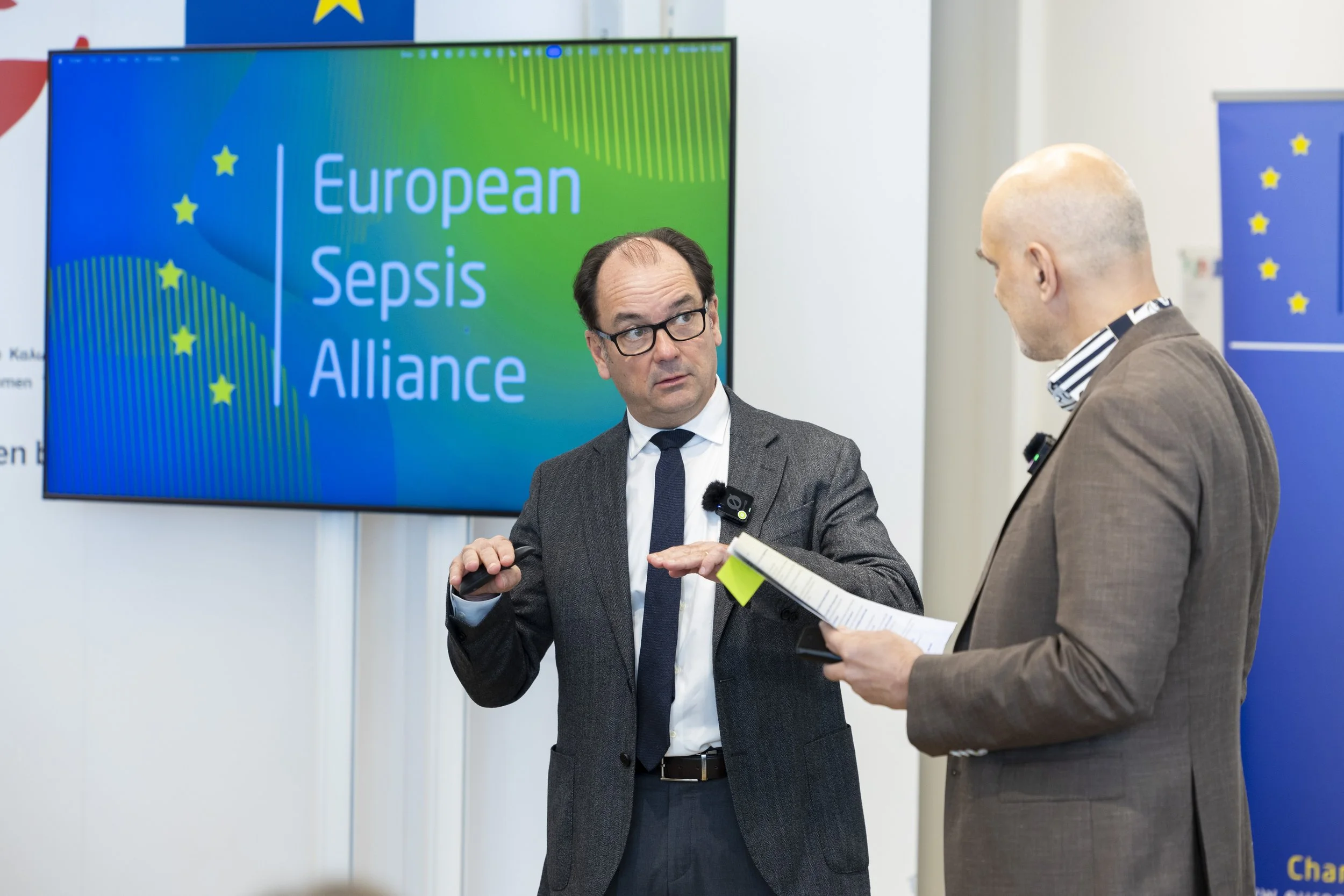
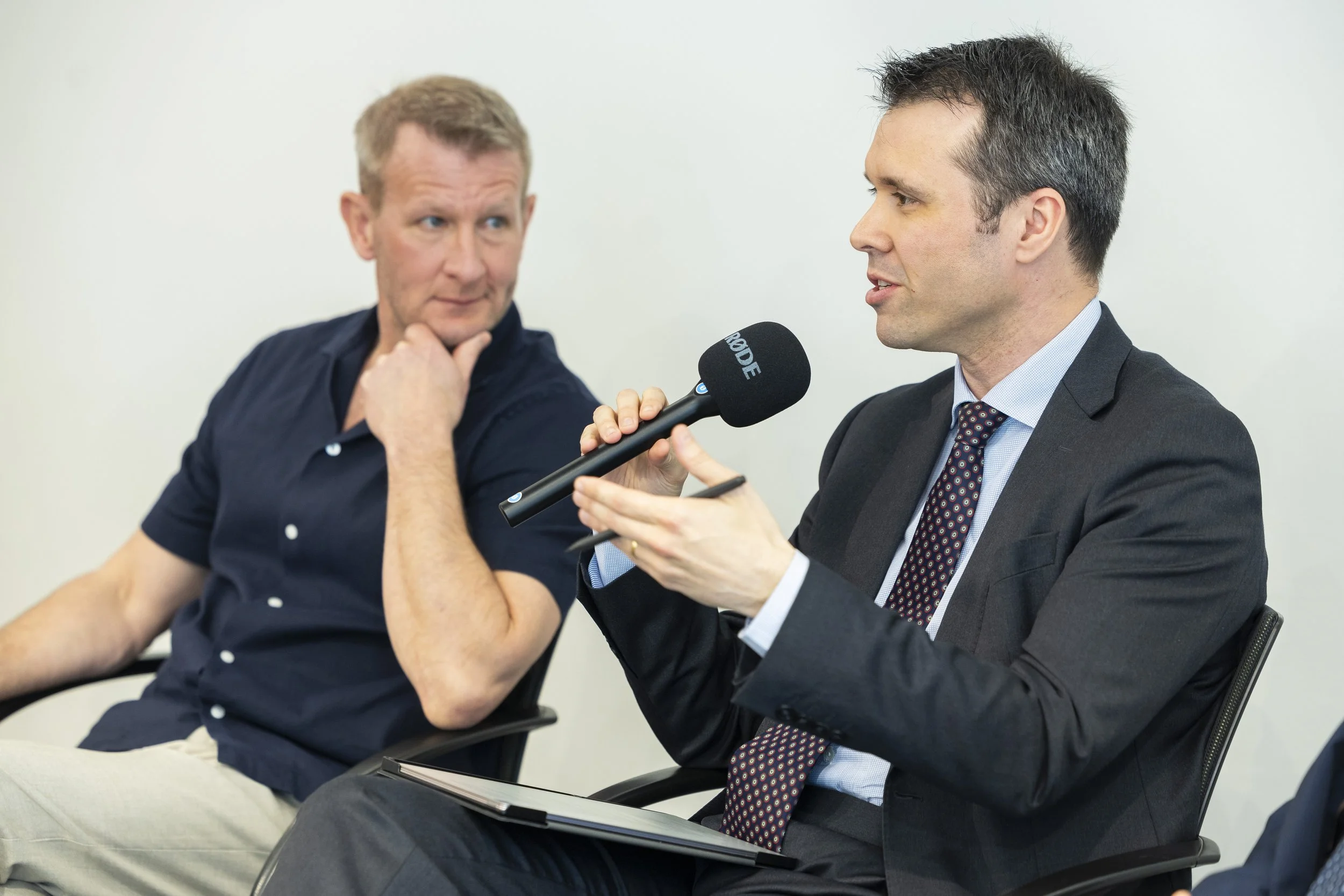
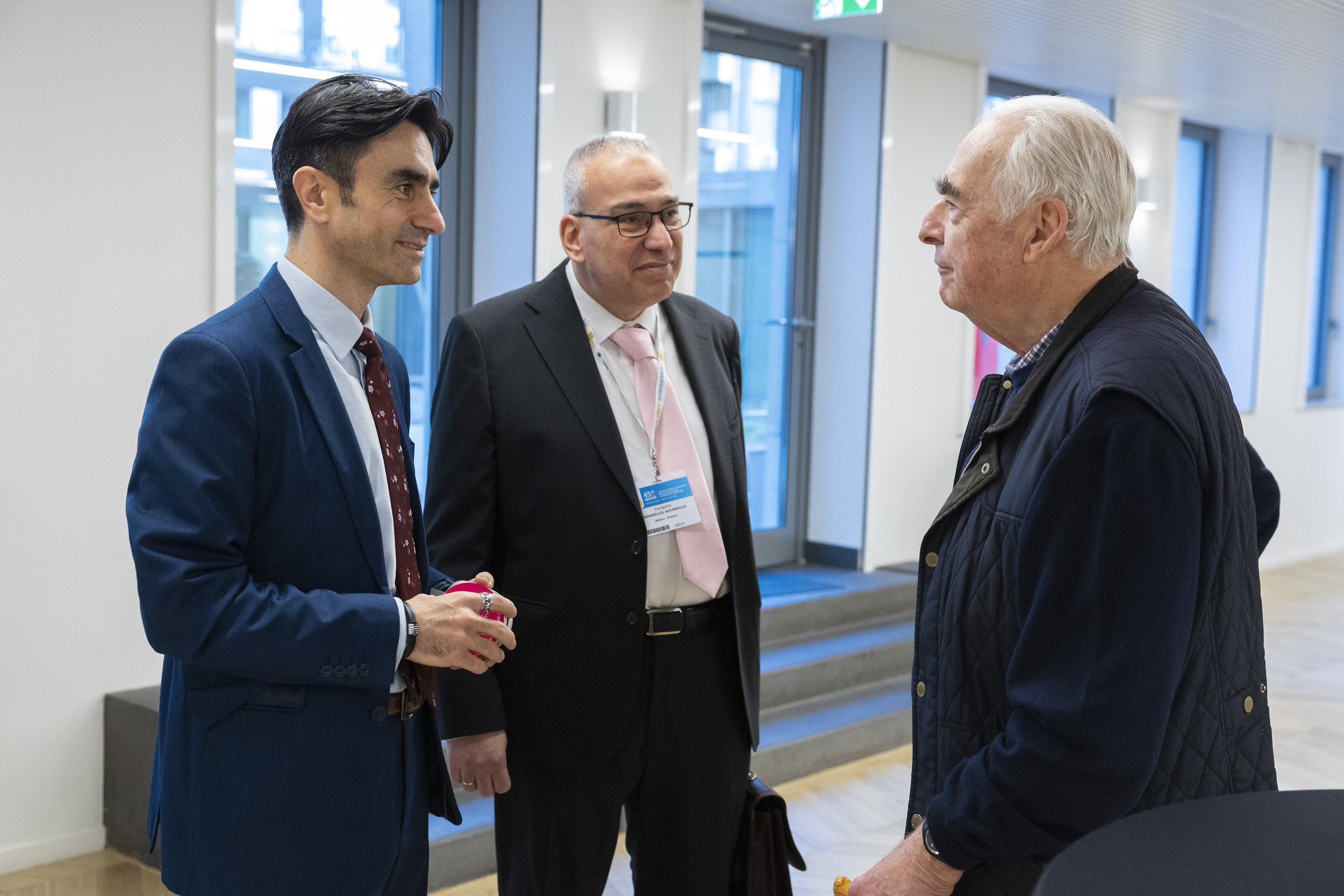
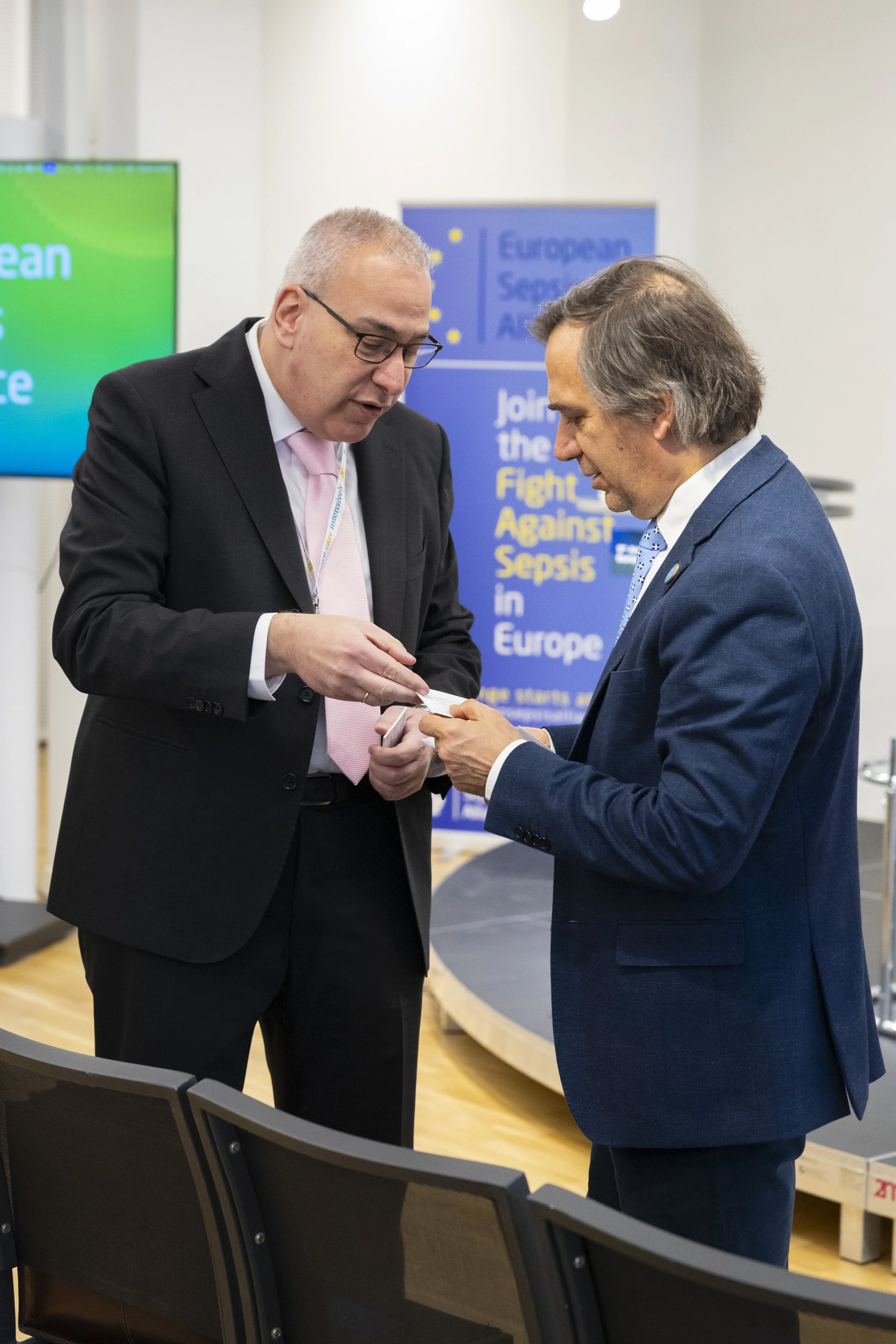
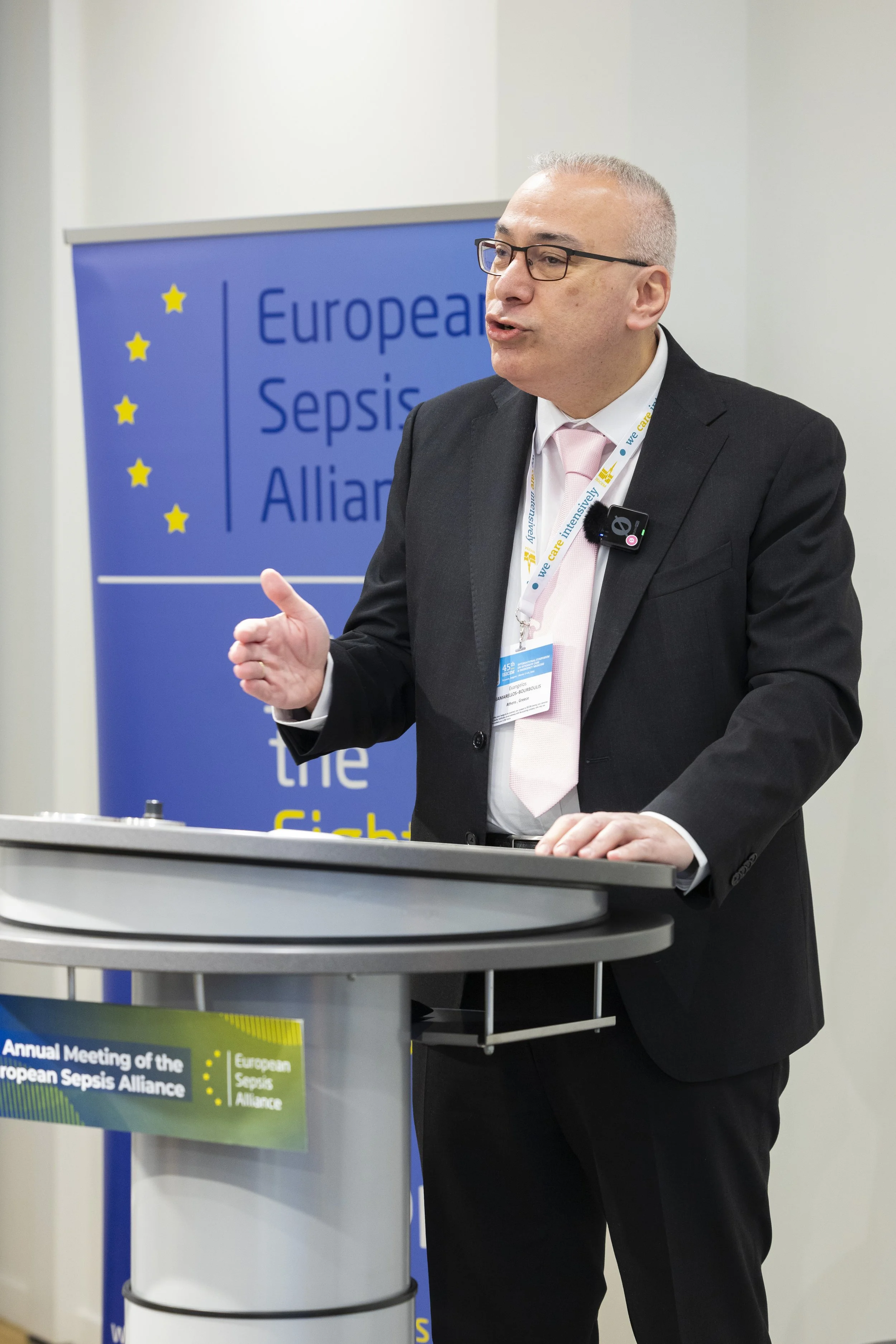
ESA Chair, Prof. Evangelos J. Giamarellos-Bourboulis (left), ESA Honorary President, Prof. Konrad Reinhart
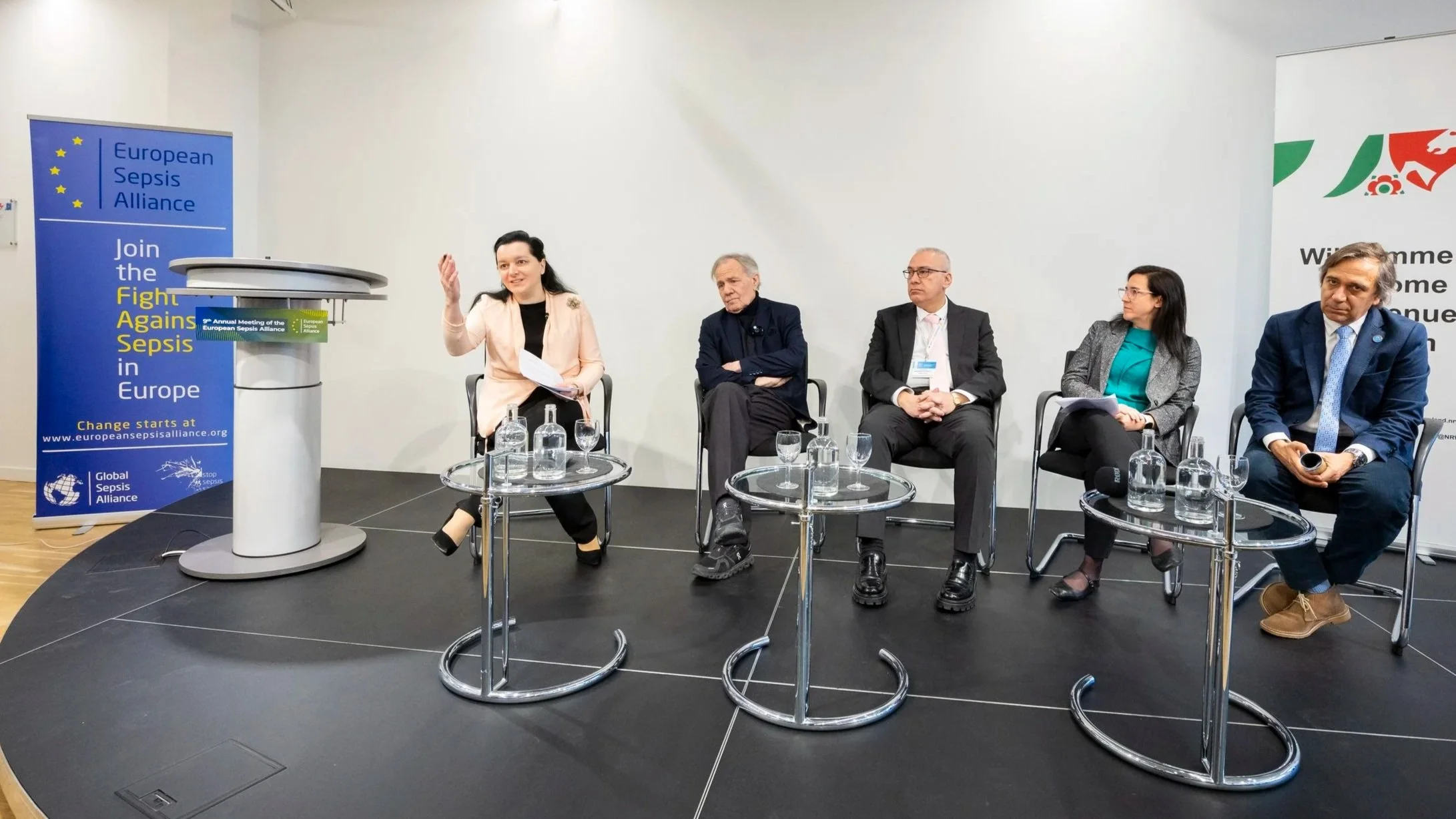
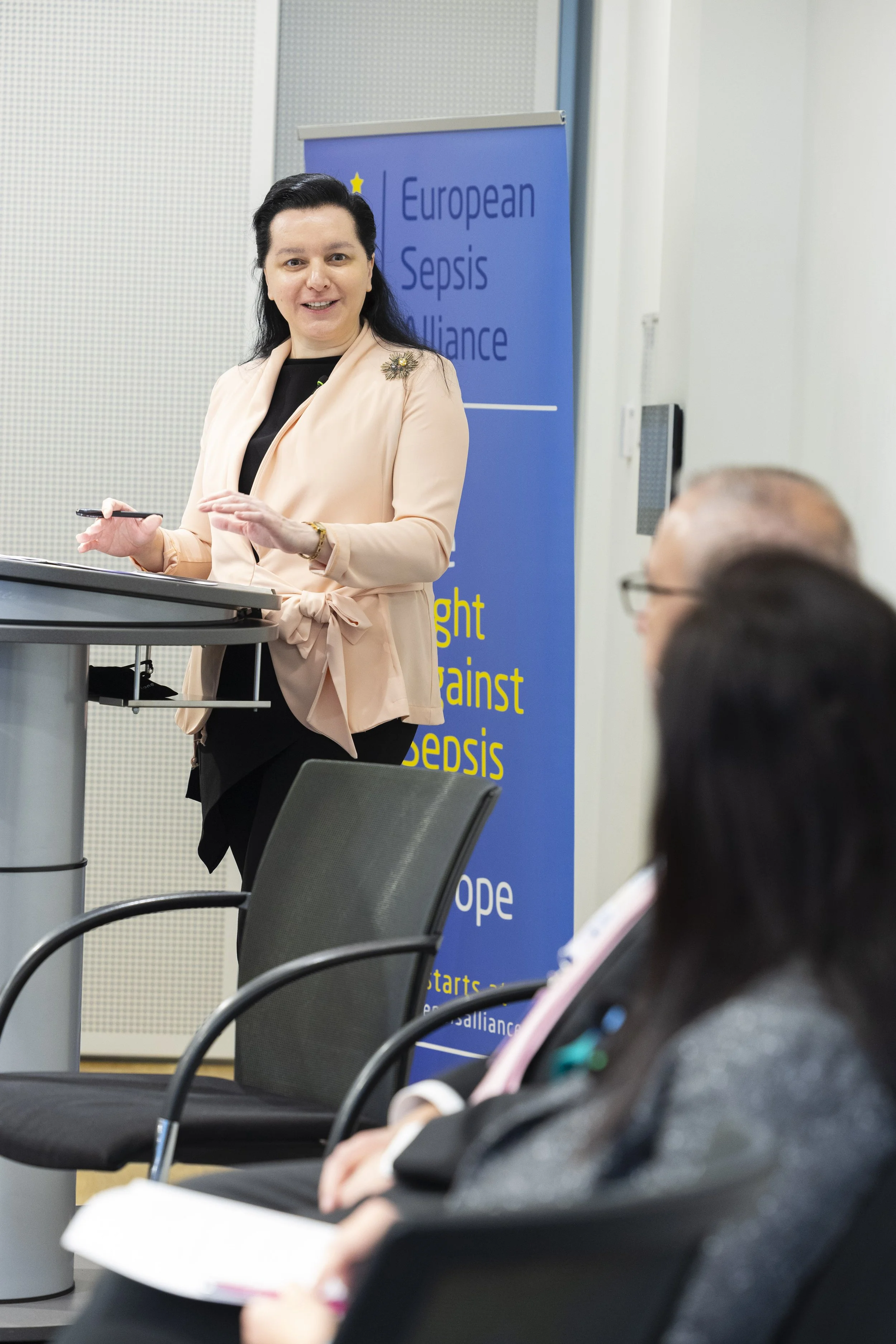
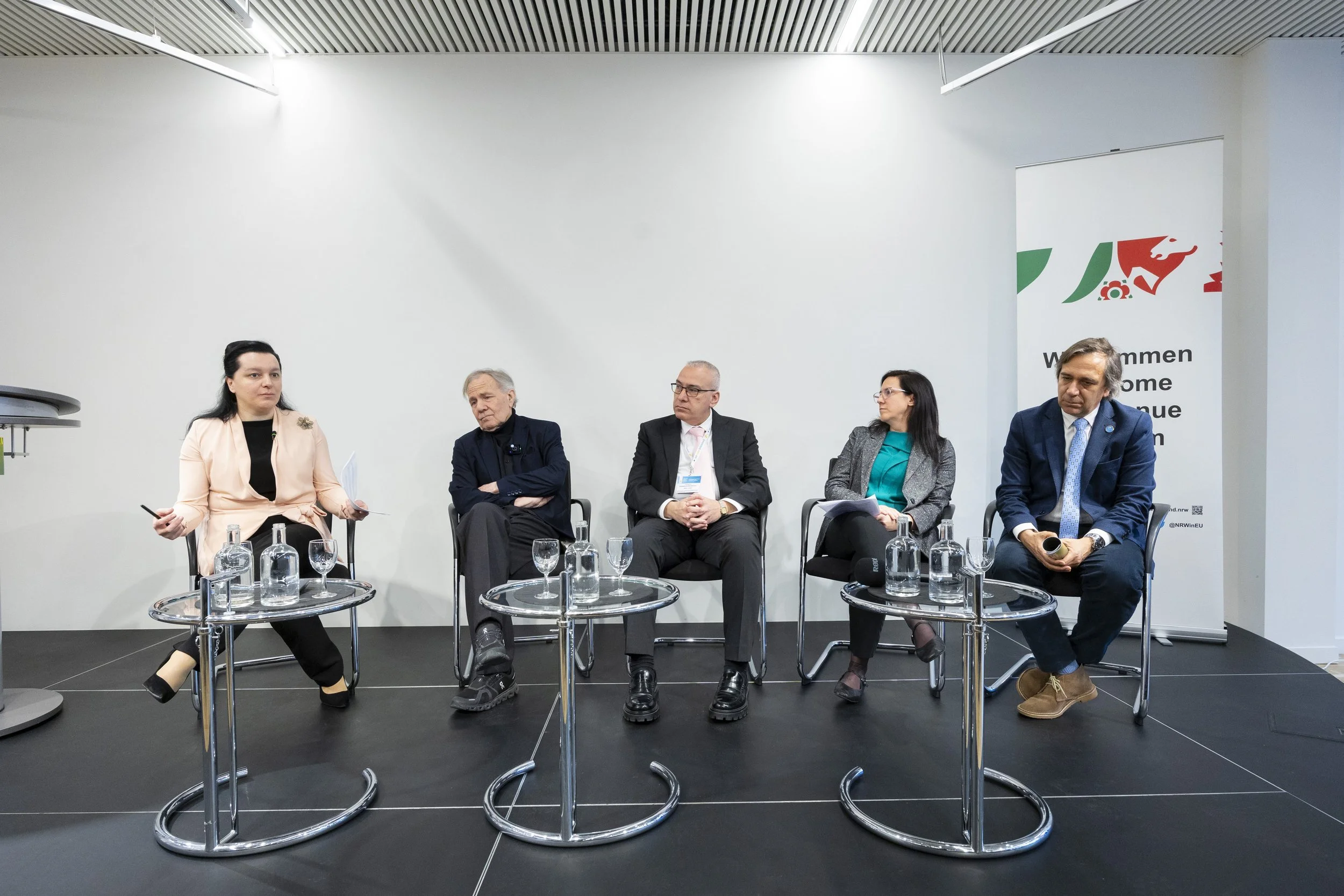
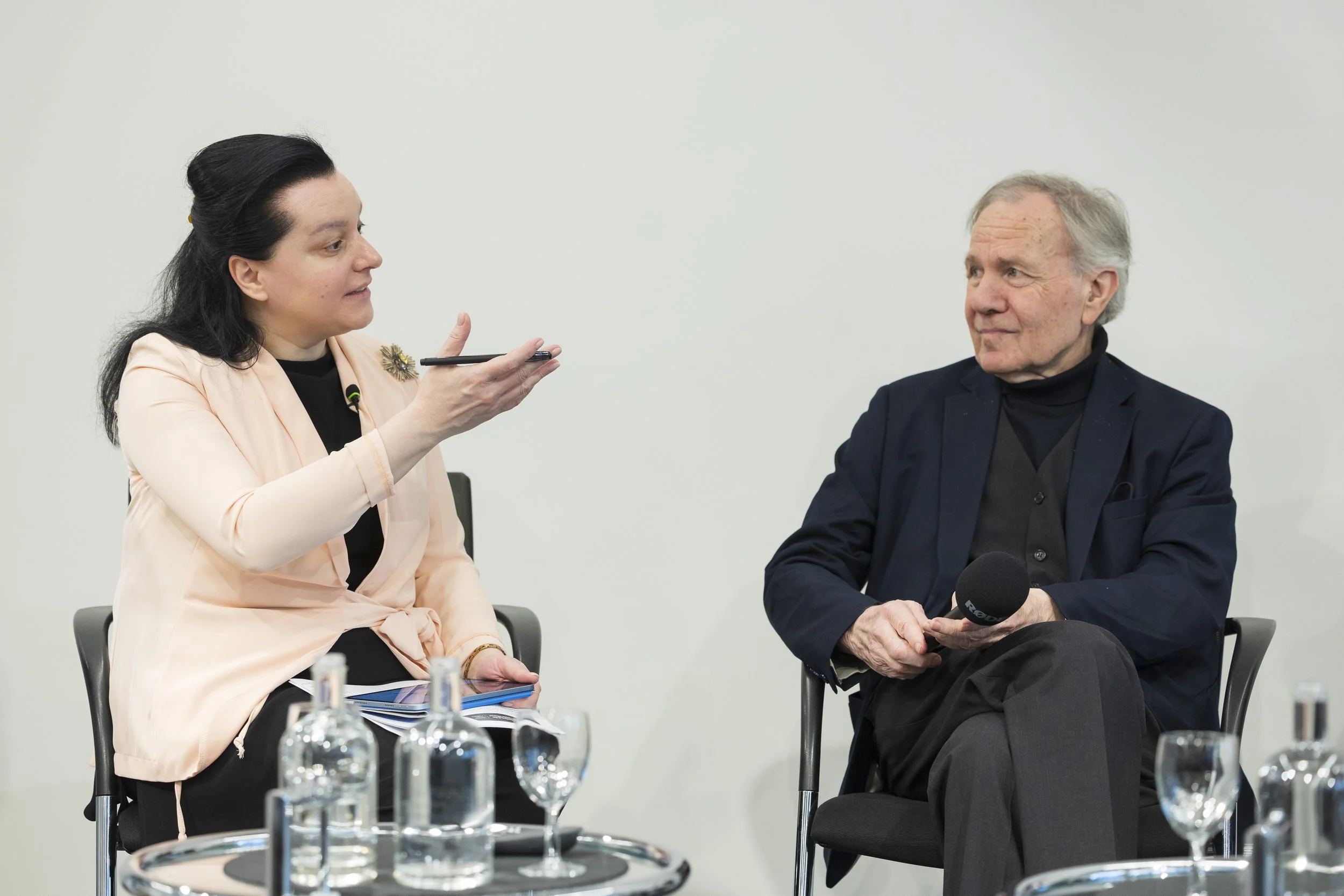
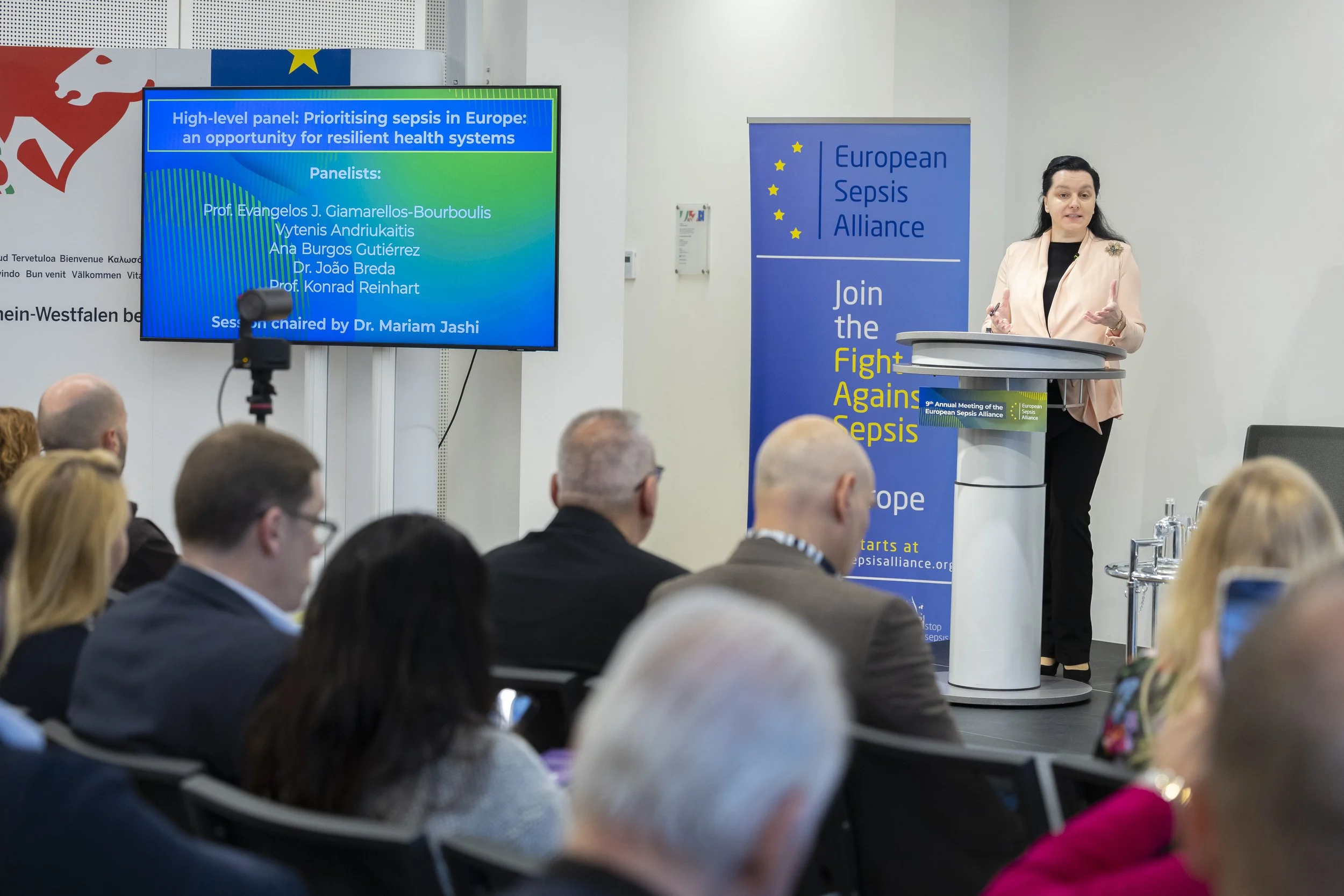
Dr. Mariam Jashi, Prof. Konrad Reinhart, Prof. Evangelos Giamarellos, Ana Burgos Gutiérrez, Dr. João Breda
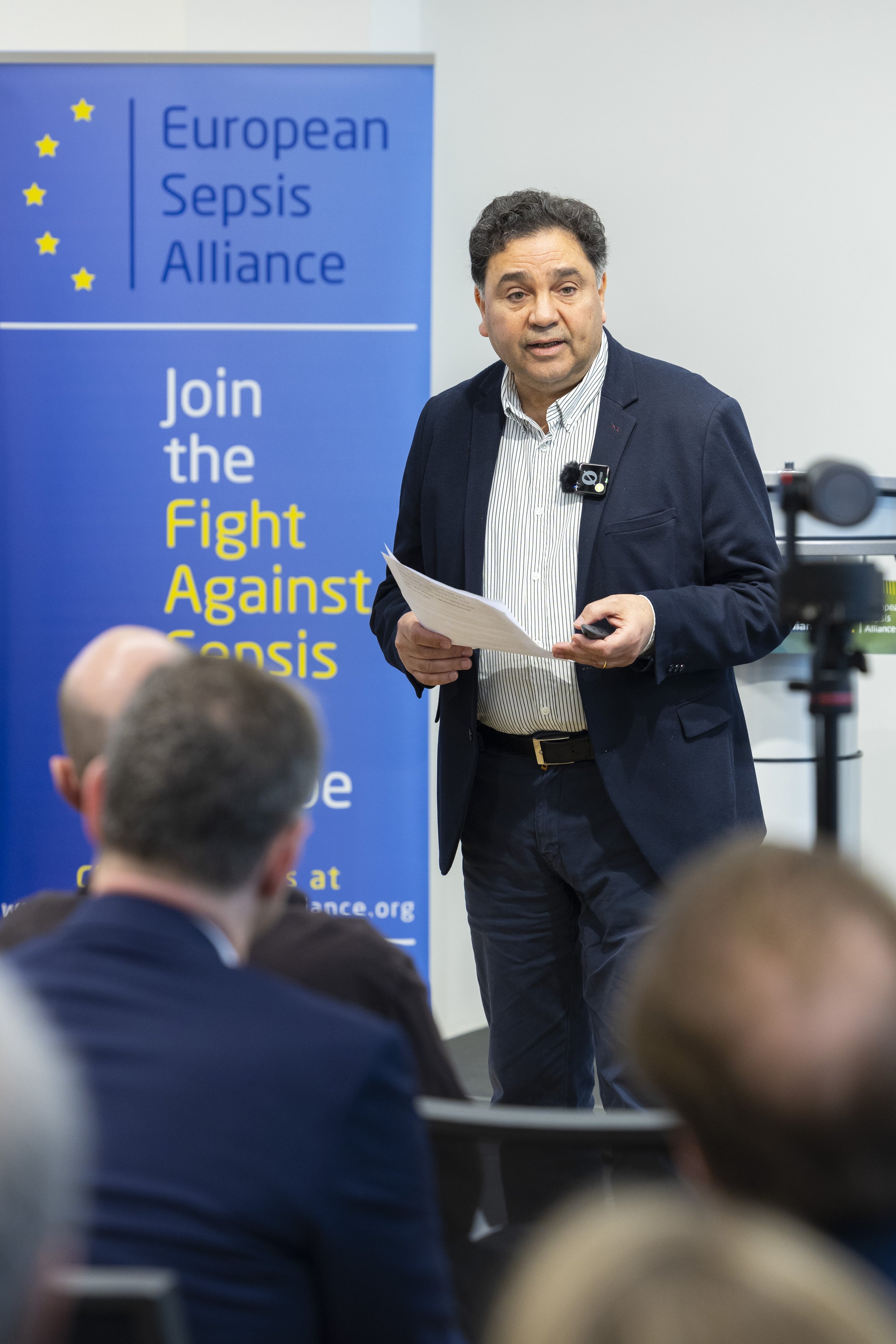
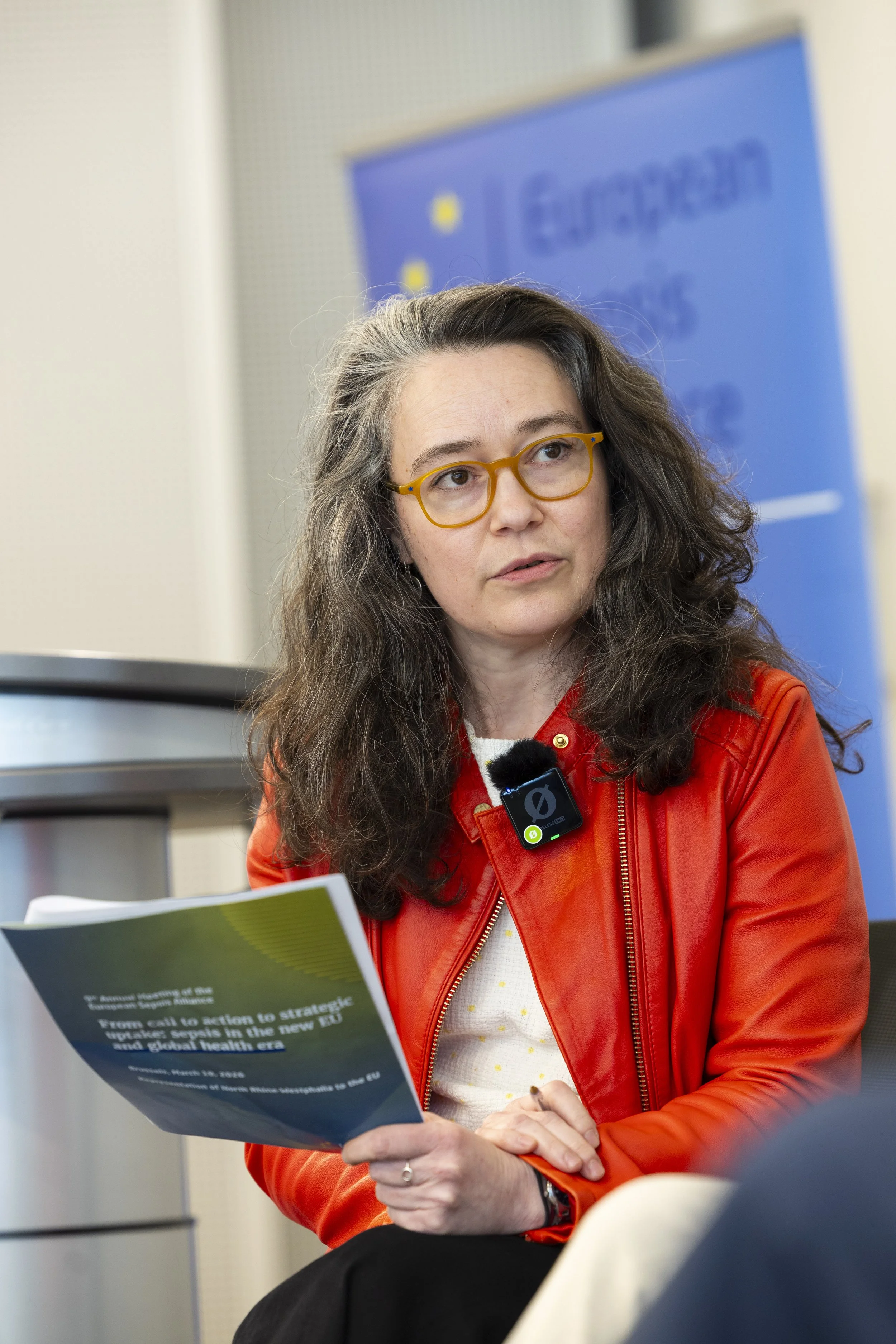
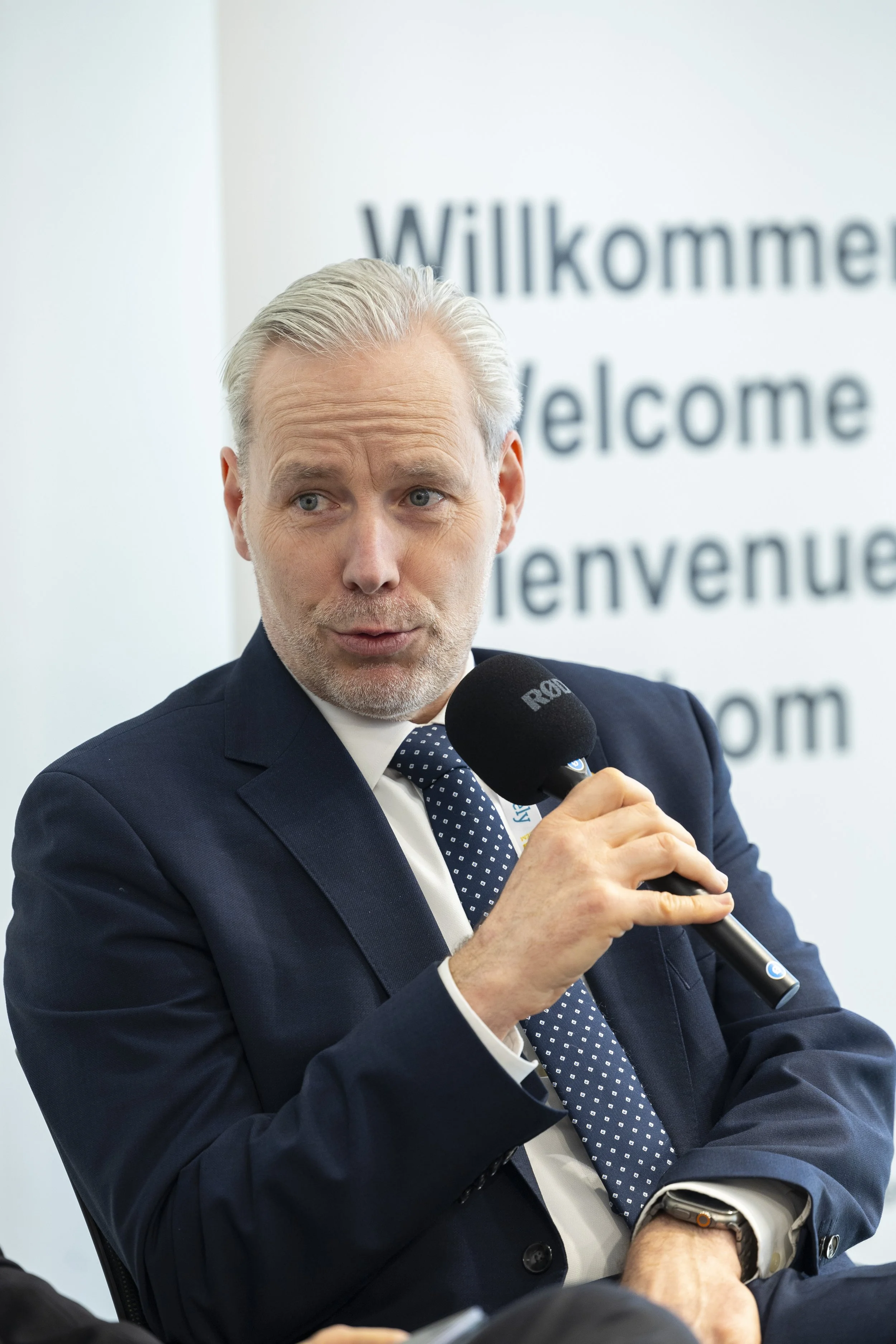
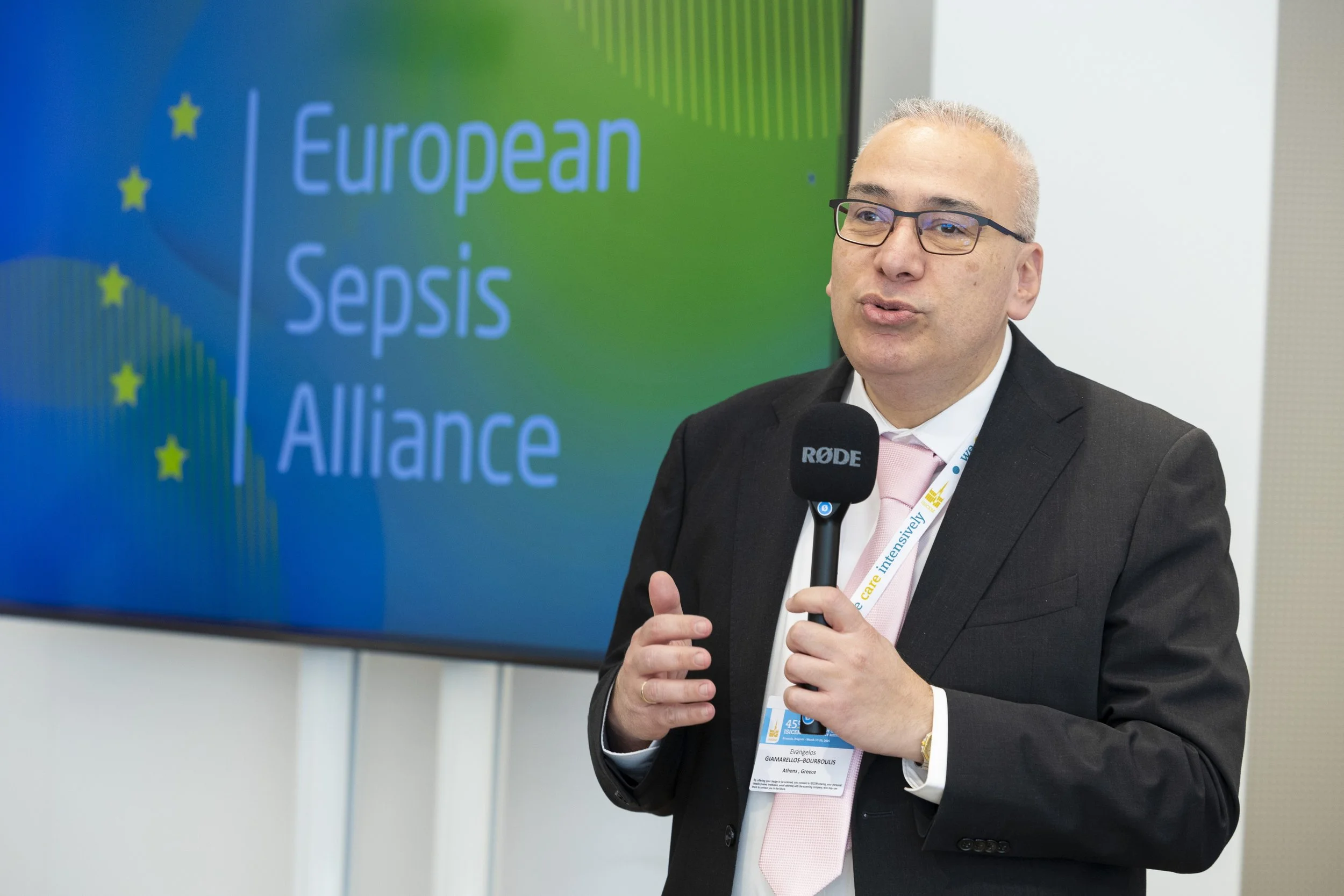
ESA Chair, Prof. Evangelos J. Giamarellos-Bourboulis, opened the meeting by reaffirming ESA's core mission and the urgency of the moment. The opening high-level panel — chaired by Dr. Mariam Jashi, CEO of the Global Sepsis Alliance — set an ambitious tone for the day, bringing together some of the most prominent voices in European health policy and global sepsis advocacy. In a video message, Hon. Vytenis Andriukaitis, Member of the European Parliament and ESA Patron, underscored the collective responsibility of European institutions and Member States, reiterating the call for a European Sepsis Plan from WHO Europe’s Regional Director Hans Kluge. The responsability of EU institutions was also highlighted in the intervention of MEP Hon. Sirpa Pietikäinen.
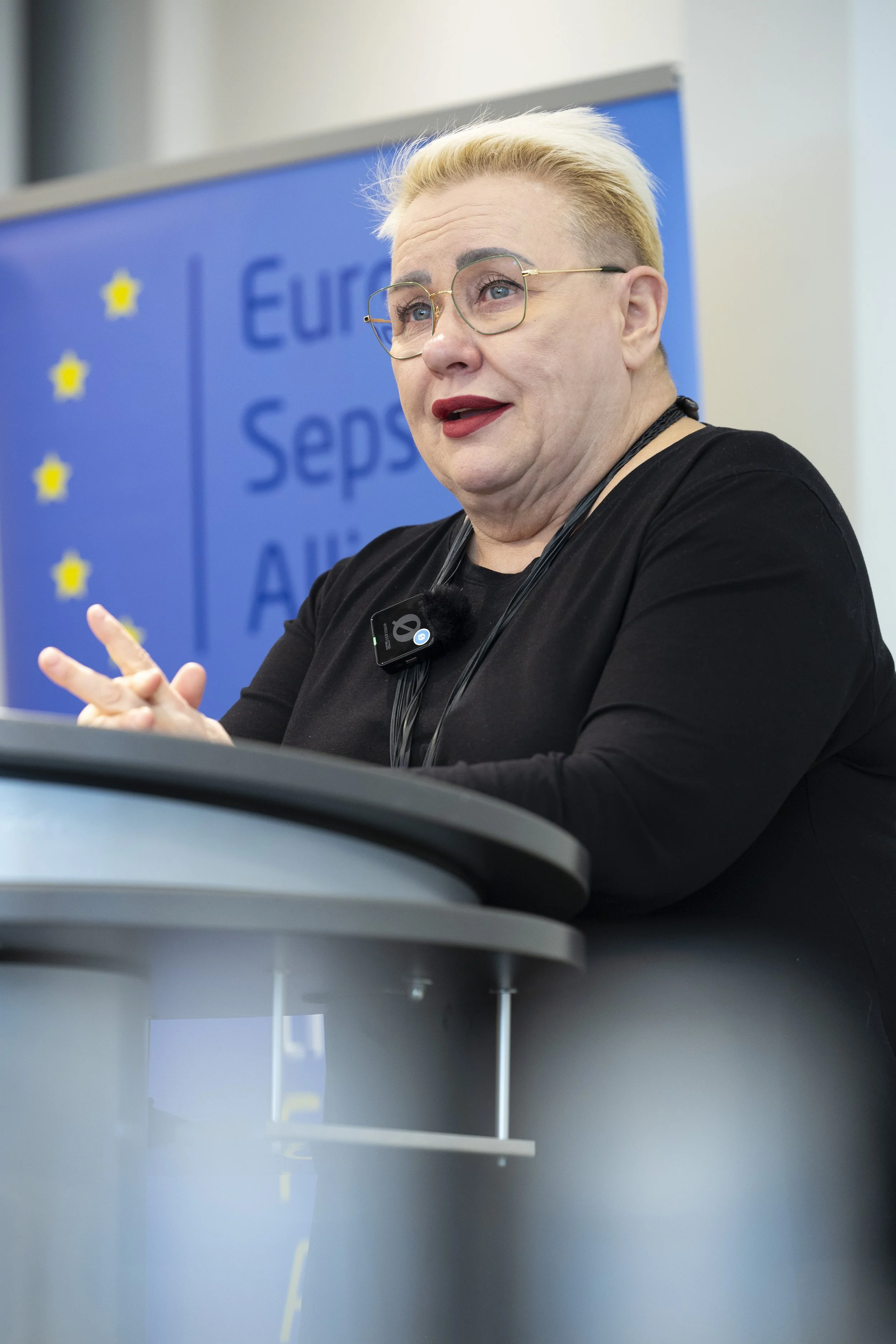
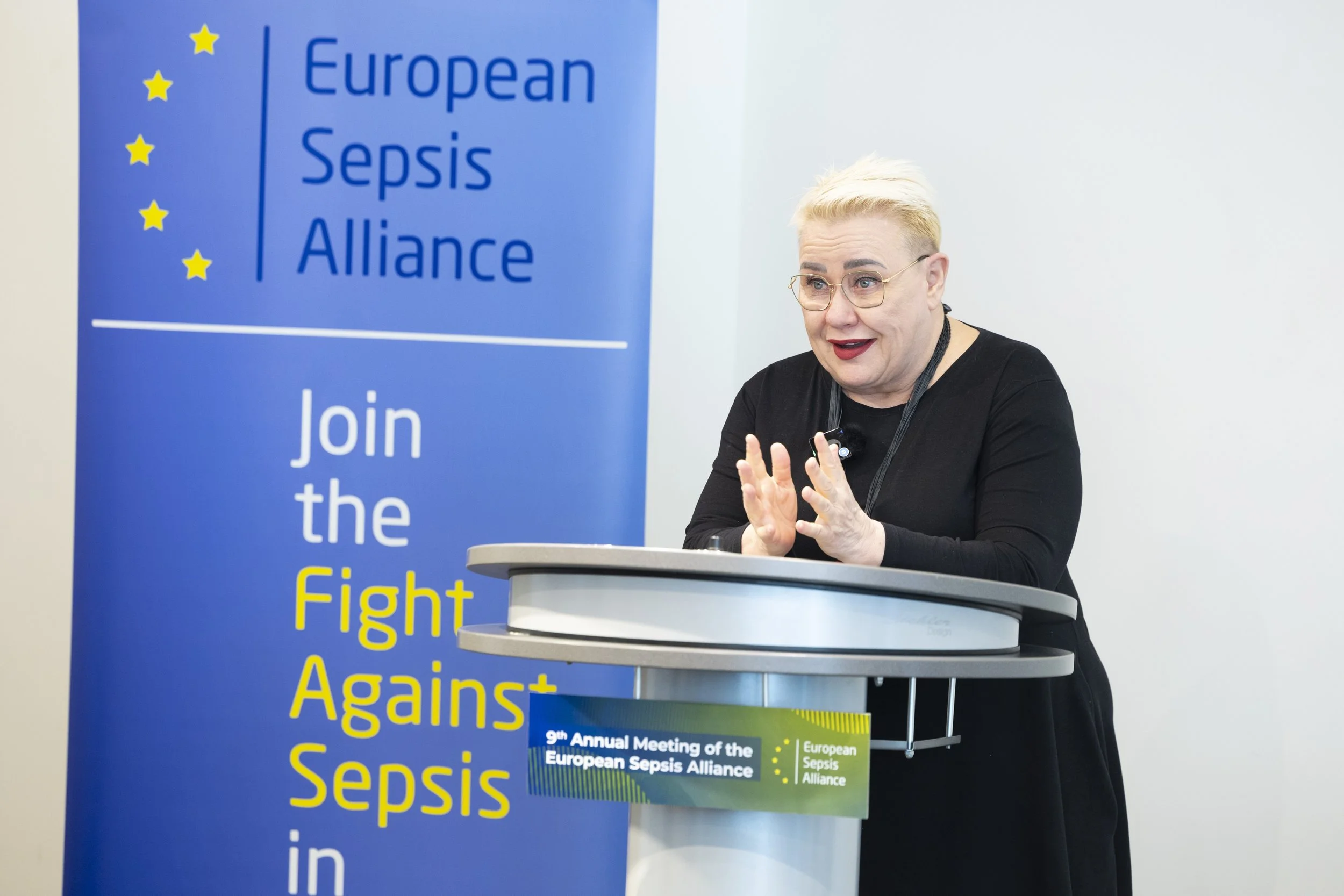
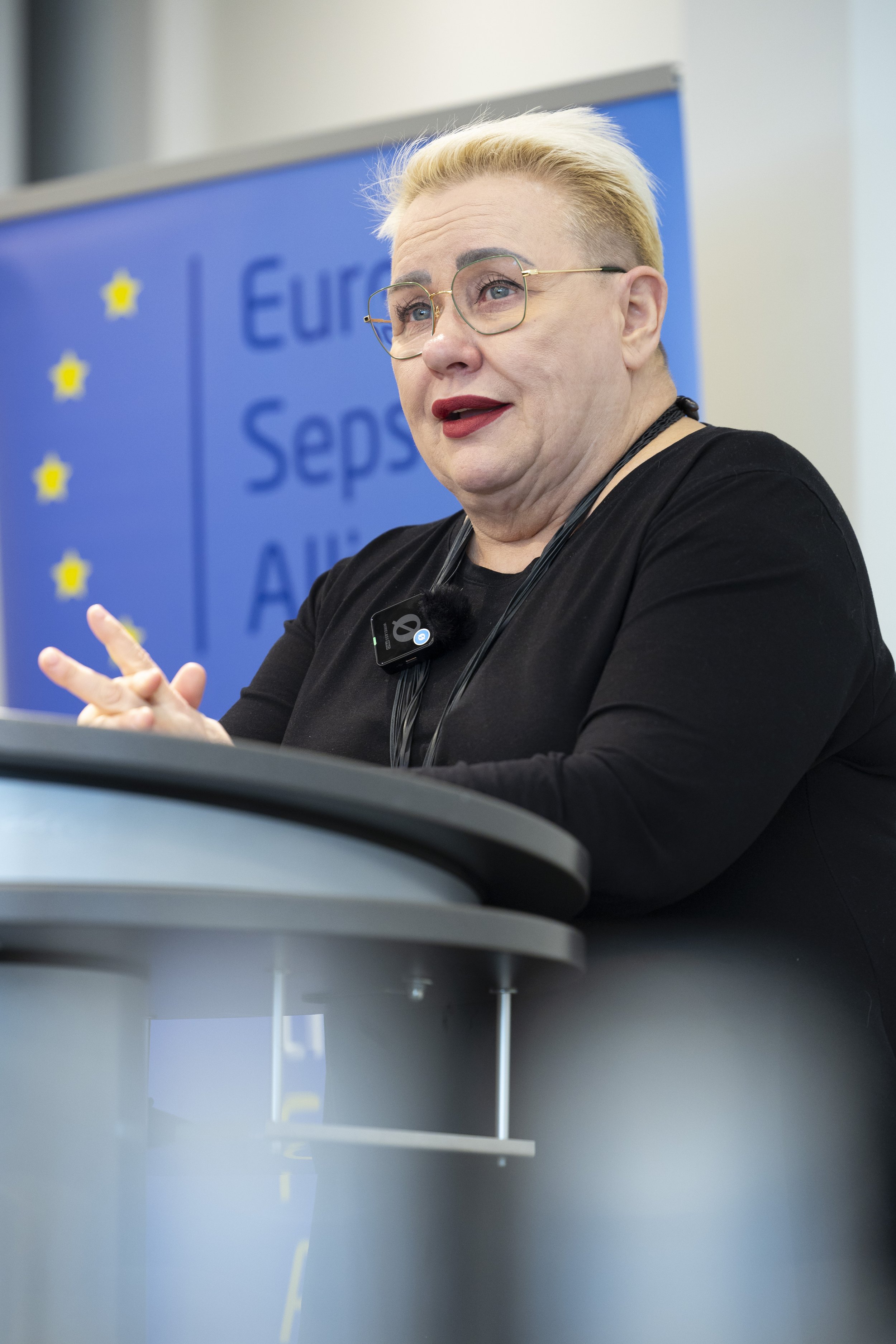
Hon. Sirpa Pietikäinen
Ana Burgos Gutiérrez, Head of Unit for Intelligence Gathering, Analysis and Innovation at HERA, outlined the work underway within EU institutions to ensure that medical countermeasures and preparedness frameworks adequately address sepsis as a critical health threat. She concluded her intervention with an historical announcement of the allocation of €244 million by the European Commission for a research grant on innovative thereutics for infections, sepsis, and ARDS.
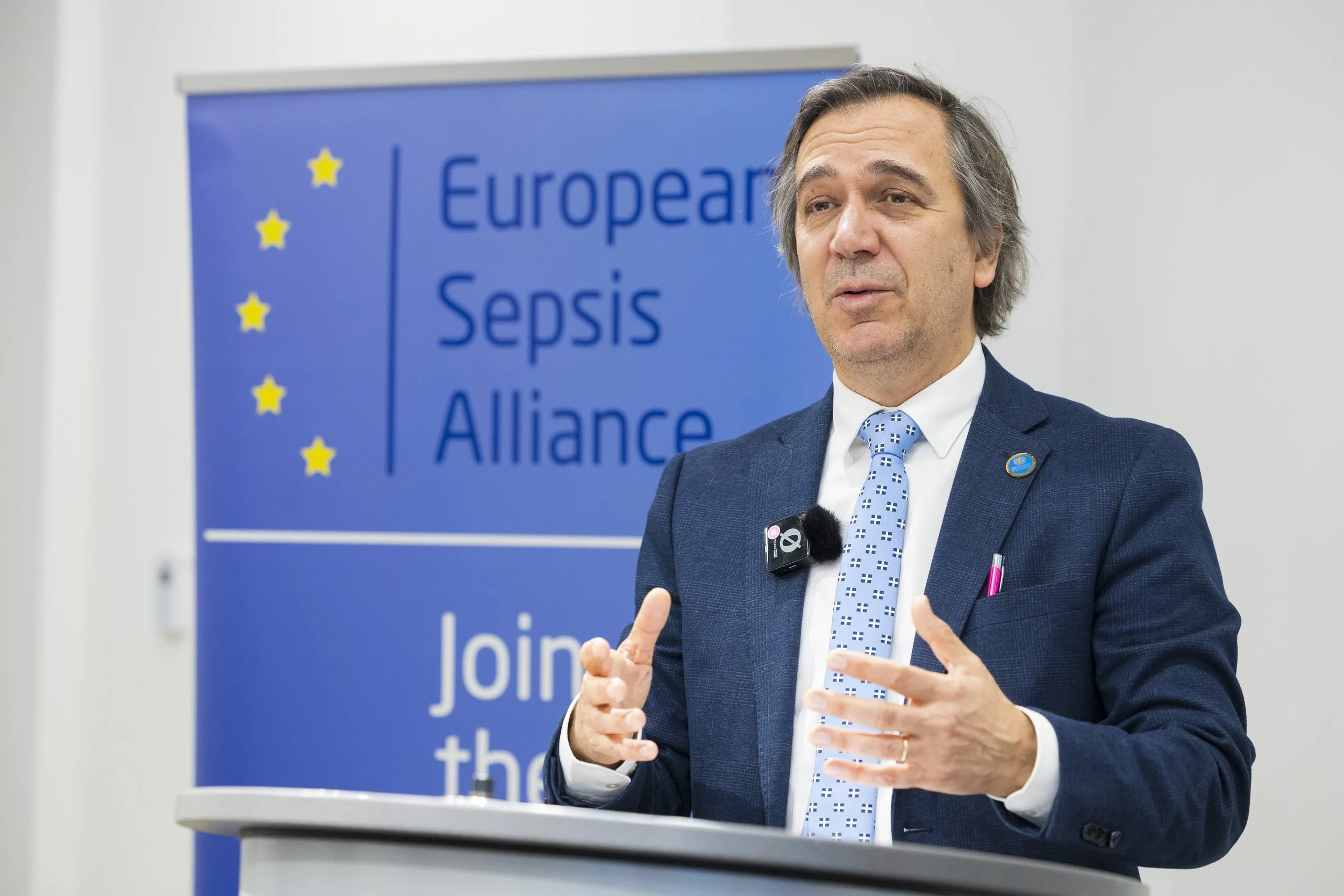
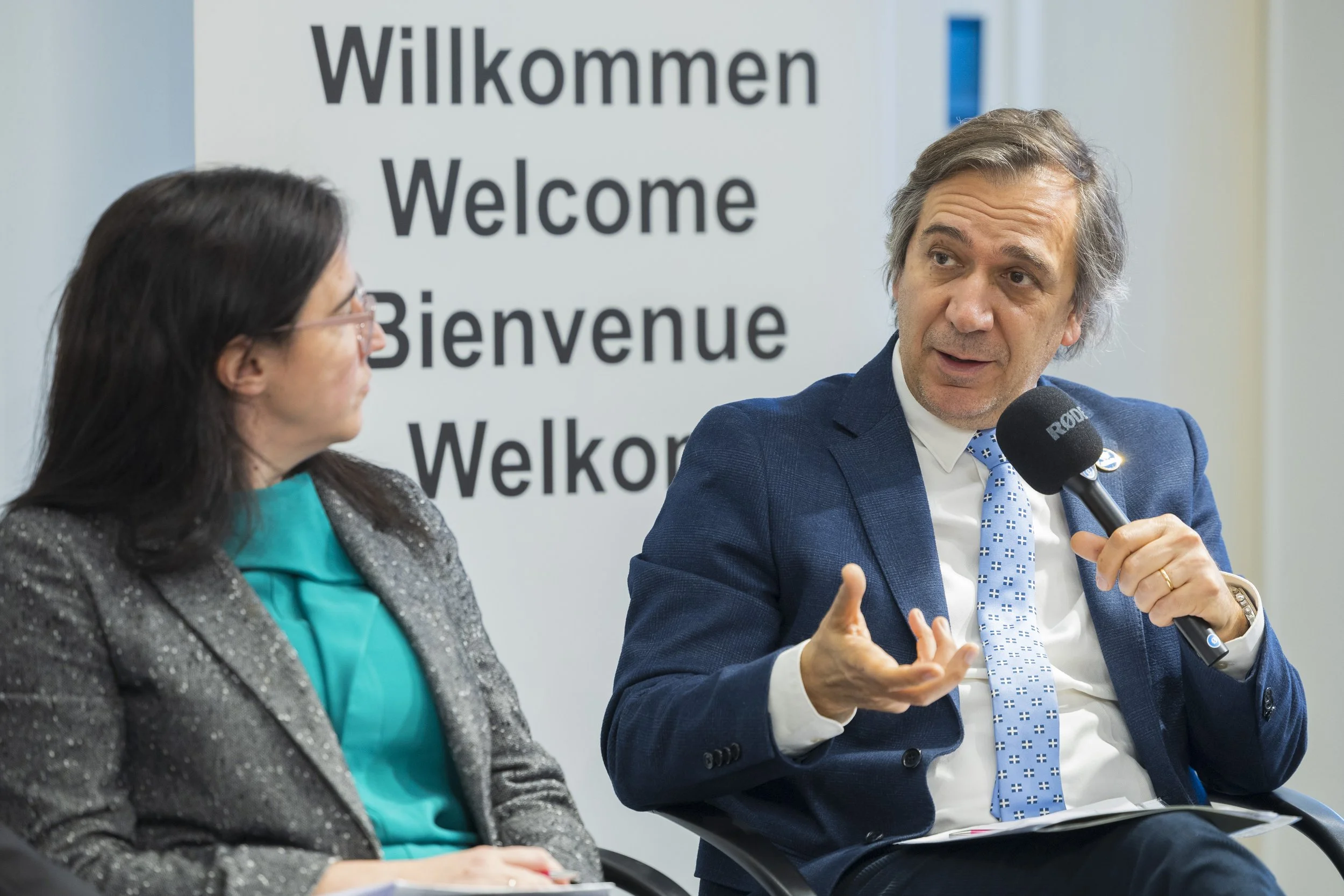
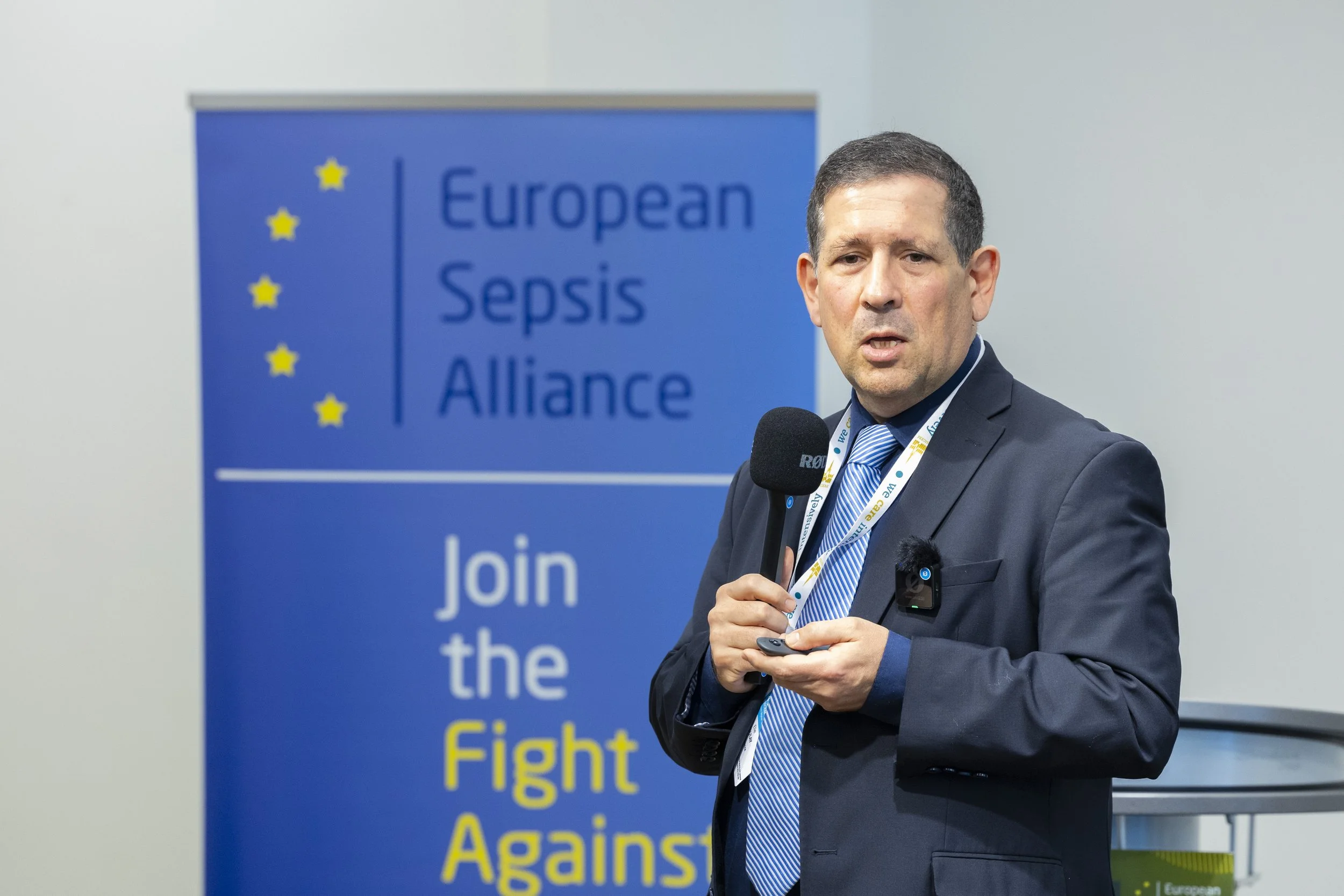
This year WHO EUrope was represented by Dr. João Breda, Head of the WHO European Office on Quality of Care and Patient Safety, highlighting the role of the WHO in supporting member states to strengthen their readiness to manage sepsis, with education being a core element of national plans.
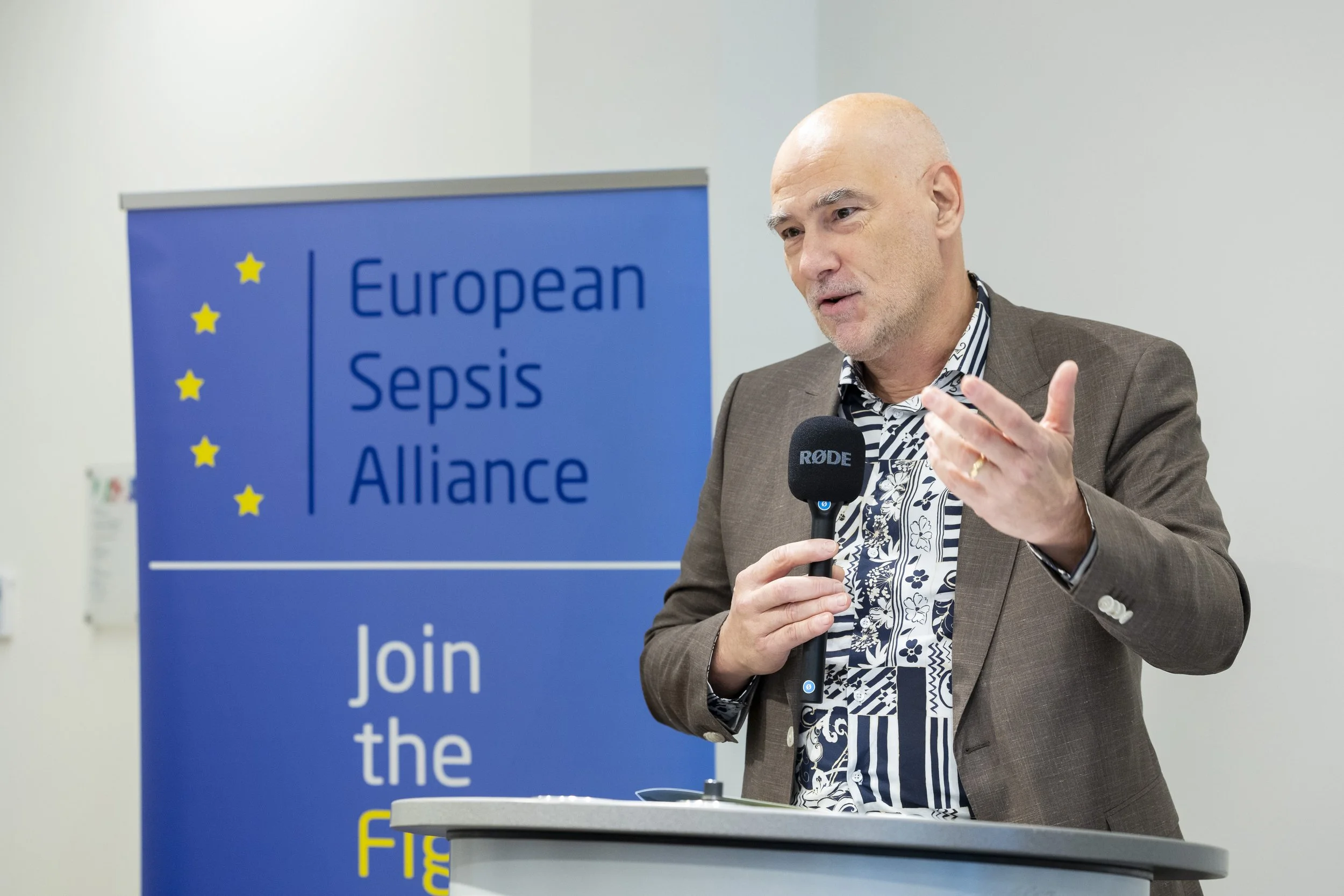
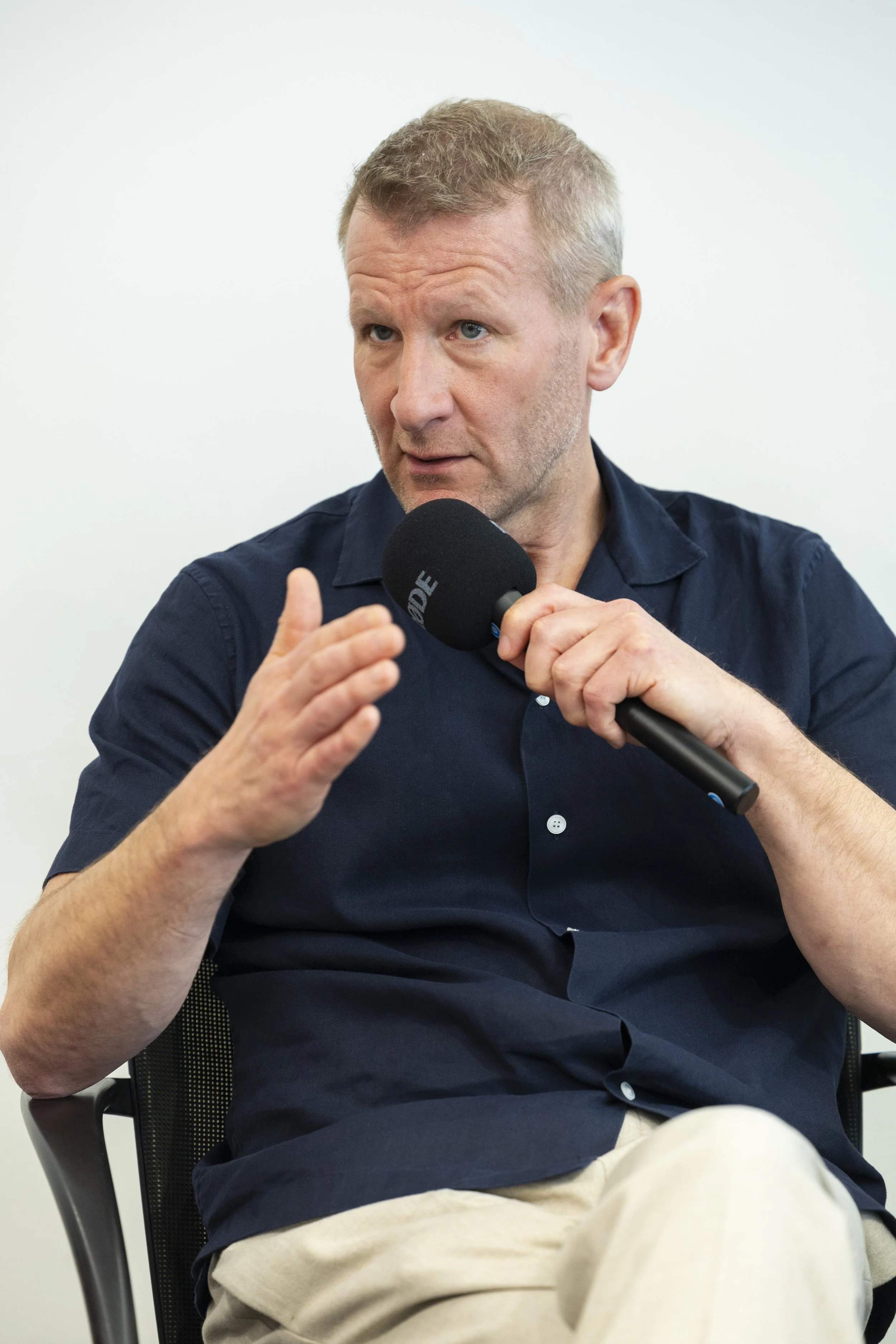
Prof. Konrad Reinhart, Founding President of the Global Sepsis Alliance and President of the Sepsis Stiftung, called for a holistic approach that links sepsis, antimicrobial resistance, and pandemic preparedness in a single, coherent policy framework, arguing for the need of high-level political engagement.
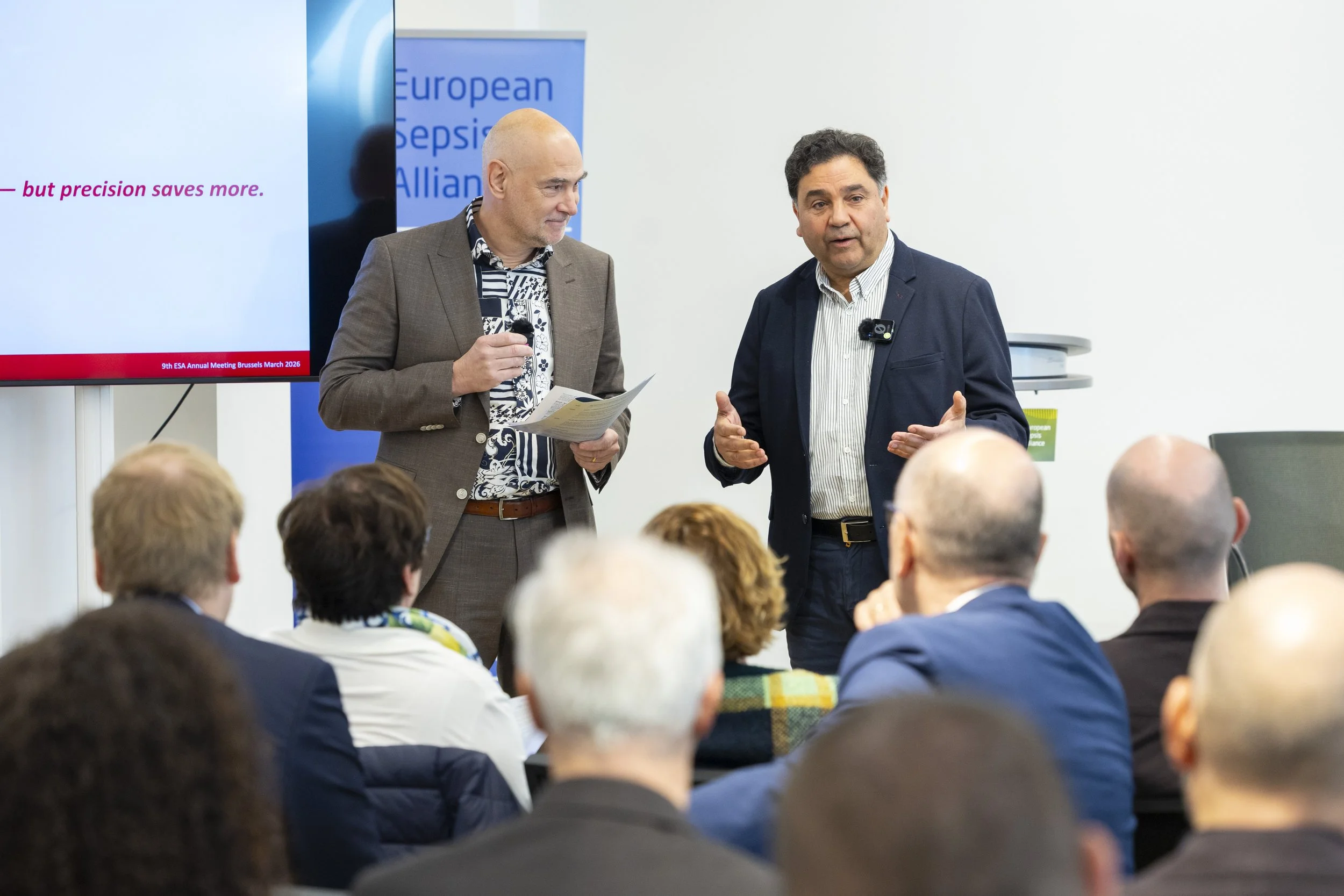
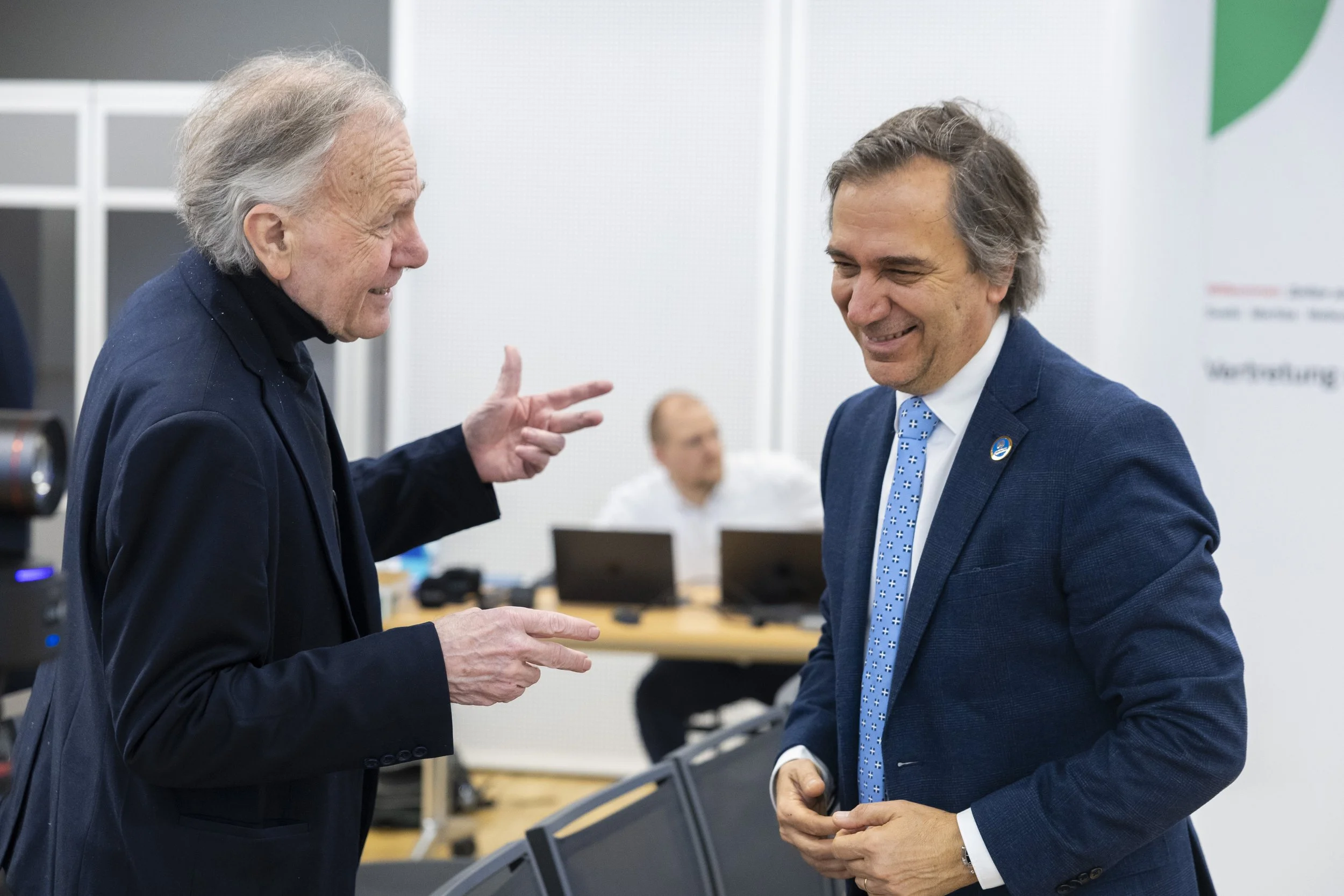
ESA Vice-Chair, Prof. Manu Malbrain, and Prof. Djillali Annane.
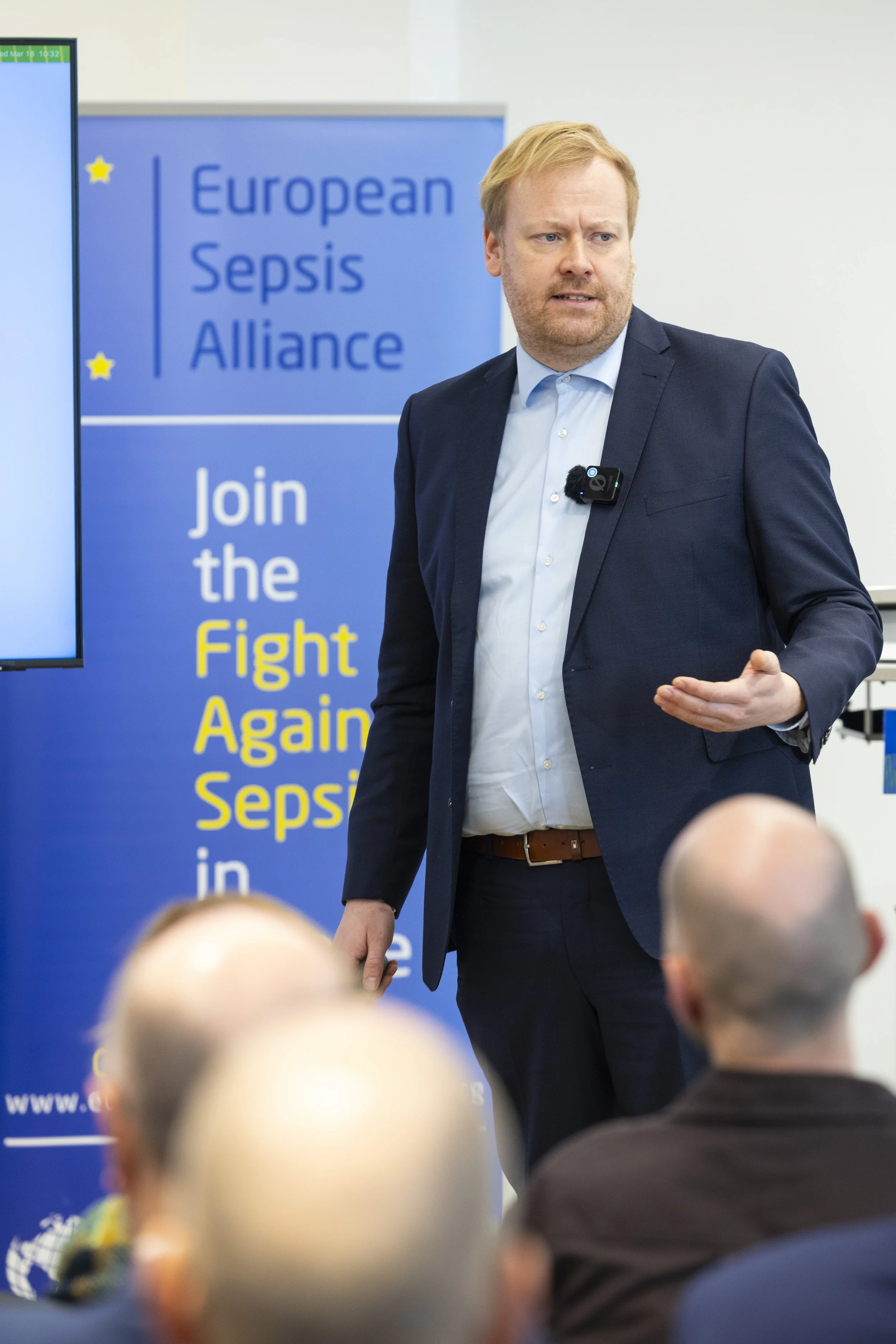
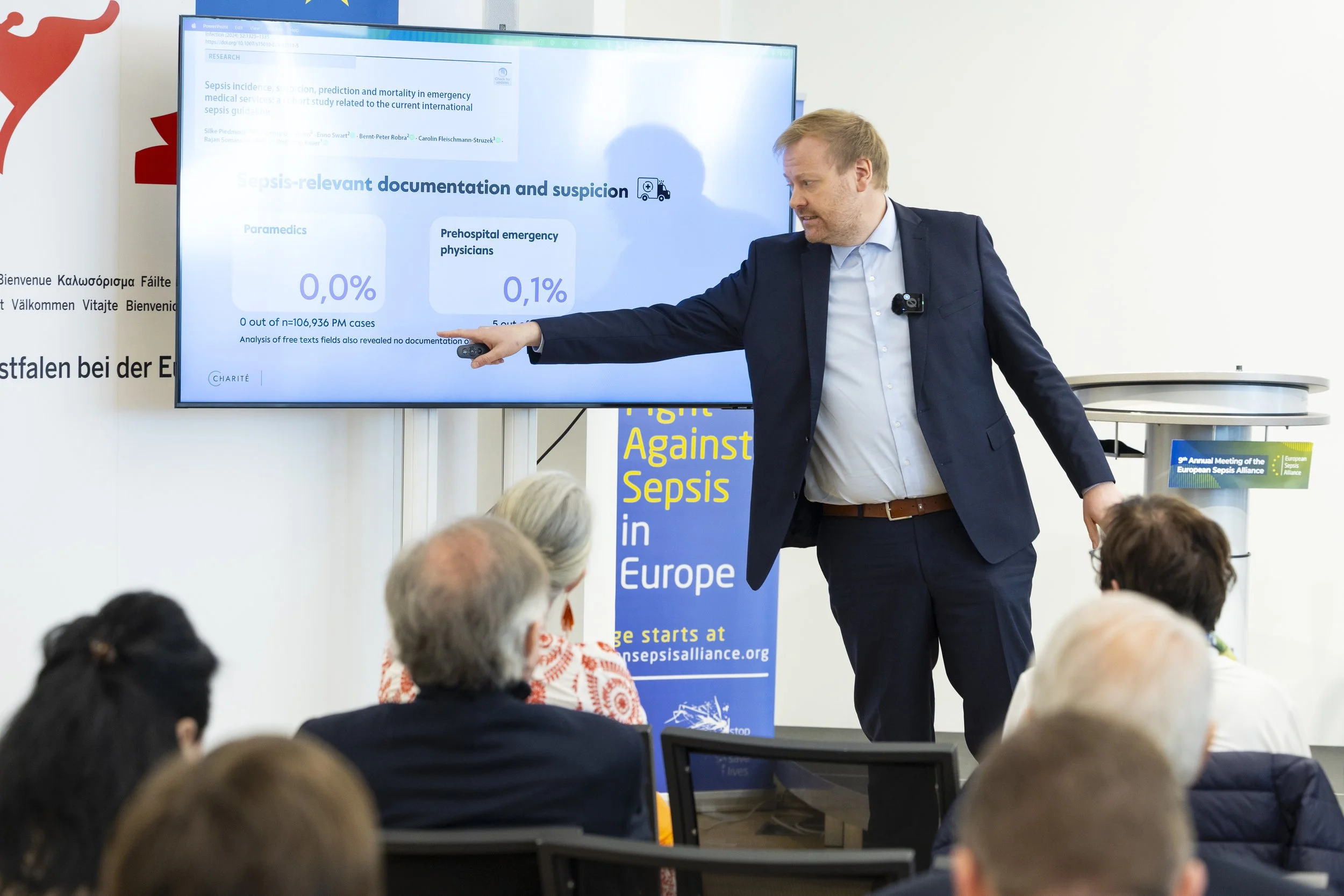
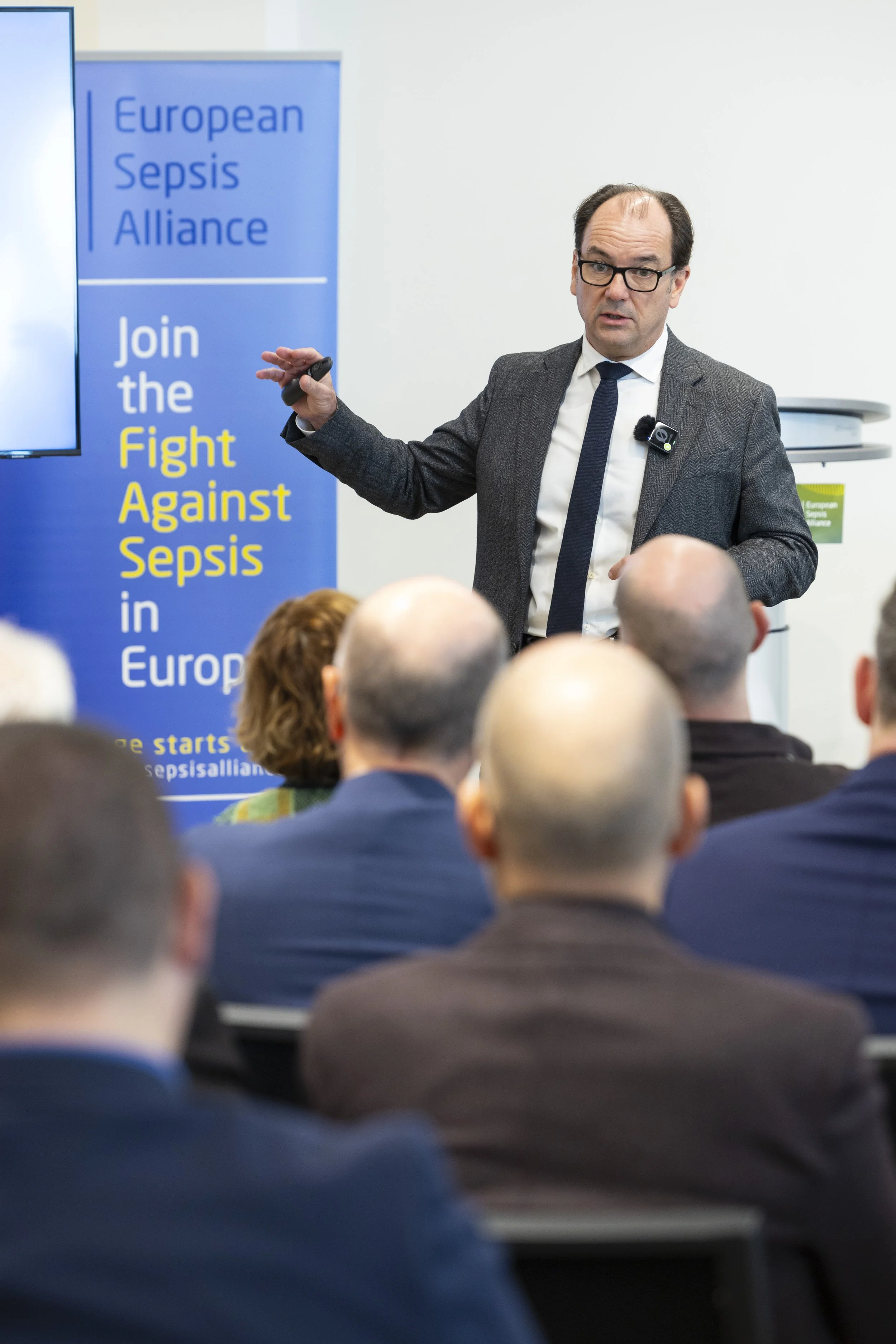
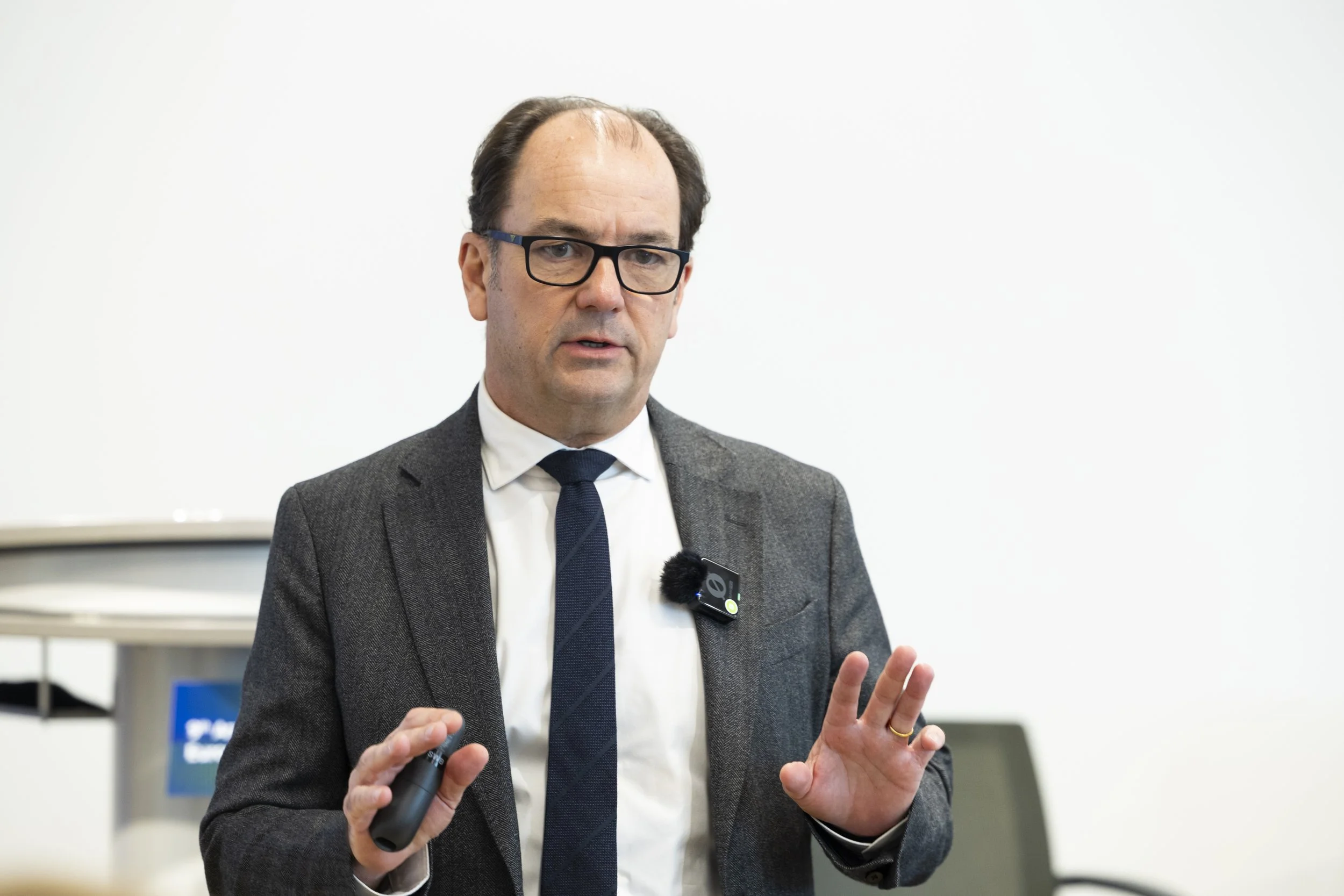
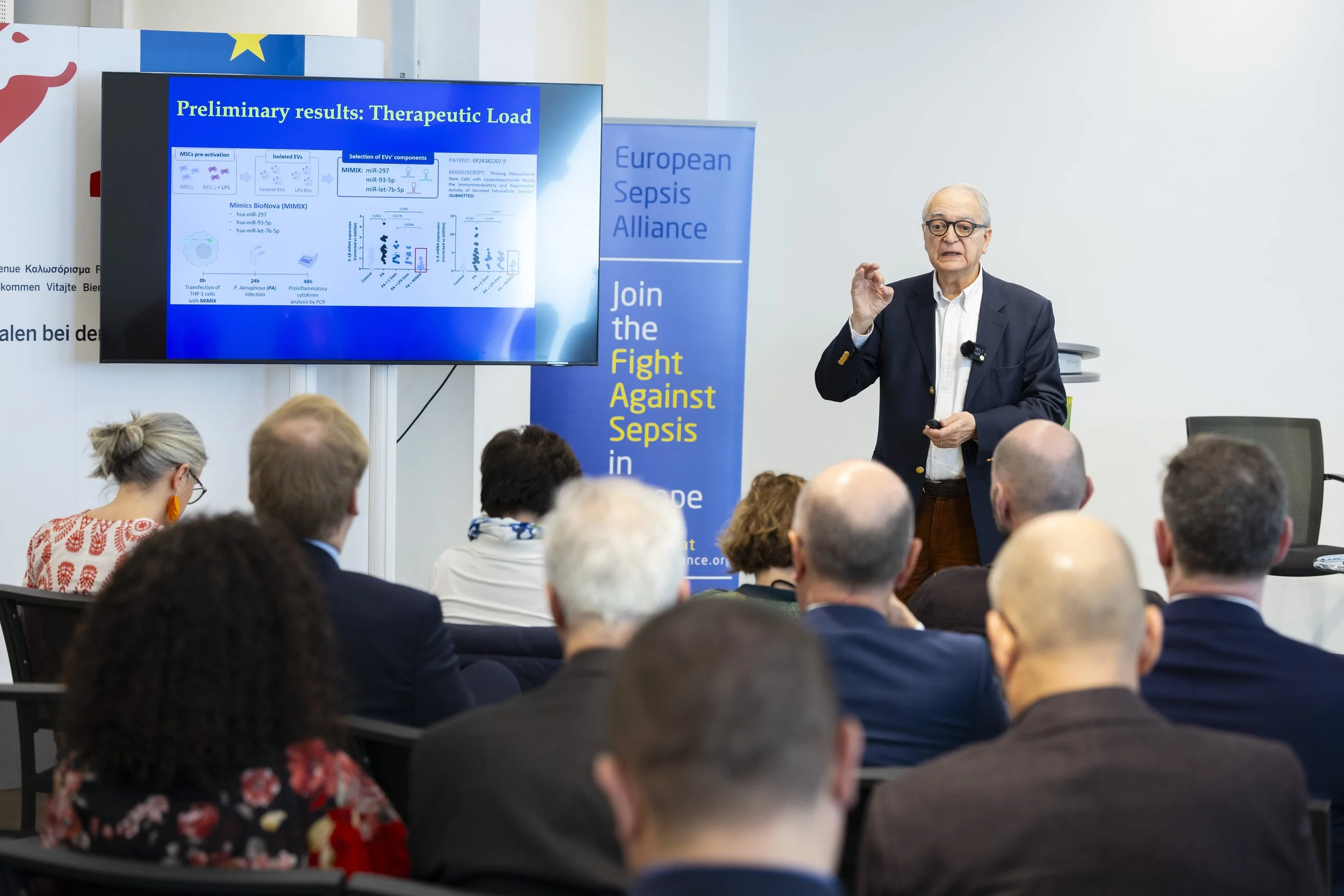
In a session moderated by Prof. Manu Malbrain, ESA Vice-Chair, six leading European clinicians and researchers shared the latest advances across the full spectrum of sepsis care — from early recognition to novel therapies. A clear thread running through the presentations was the urgency of speed: whether in microbial diagnosis or at the emergency department, both Prof. Djillali Annane and Dr. Wolfgang Bauer underlined that the window for effective intervention remains narrow and that clinical systems must be designed accordingly. Equally prominent was the expanding frontier of treatment. Dr. Ricard Ferrer and Prof. Antonio Artigas presented the evolving evidence on immunoglobulin replacement and cell therapy respectively, while Prof. Michael Bauer highlighted interferon-gamma as an emerging pathway with significant implications for how we define and predict sepsis outcomes. Prof. Elie Azoulay rounded out the session with findings on septic shock in cancer patients — a growing and often underserved population that demands dedicated clinical protocols. Together, the presentations painted a picture of a field moving rapidly, with multiple promising avenues converging on the same goal: earlier detection and more targeted, effective treatment.

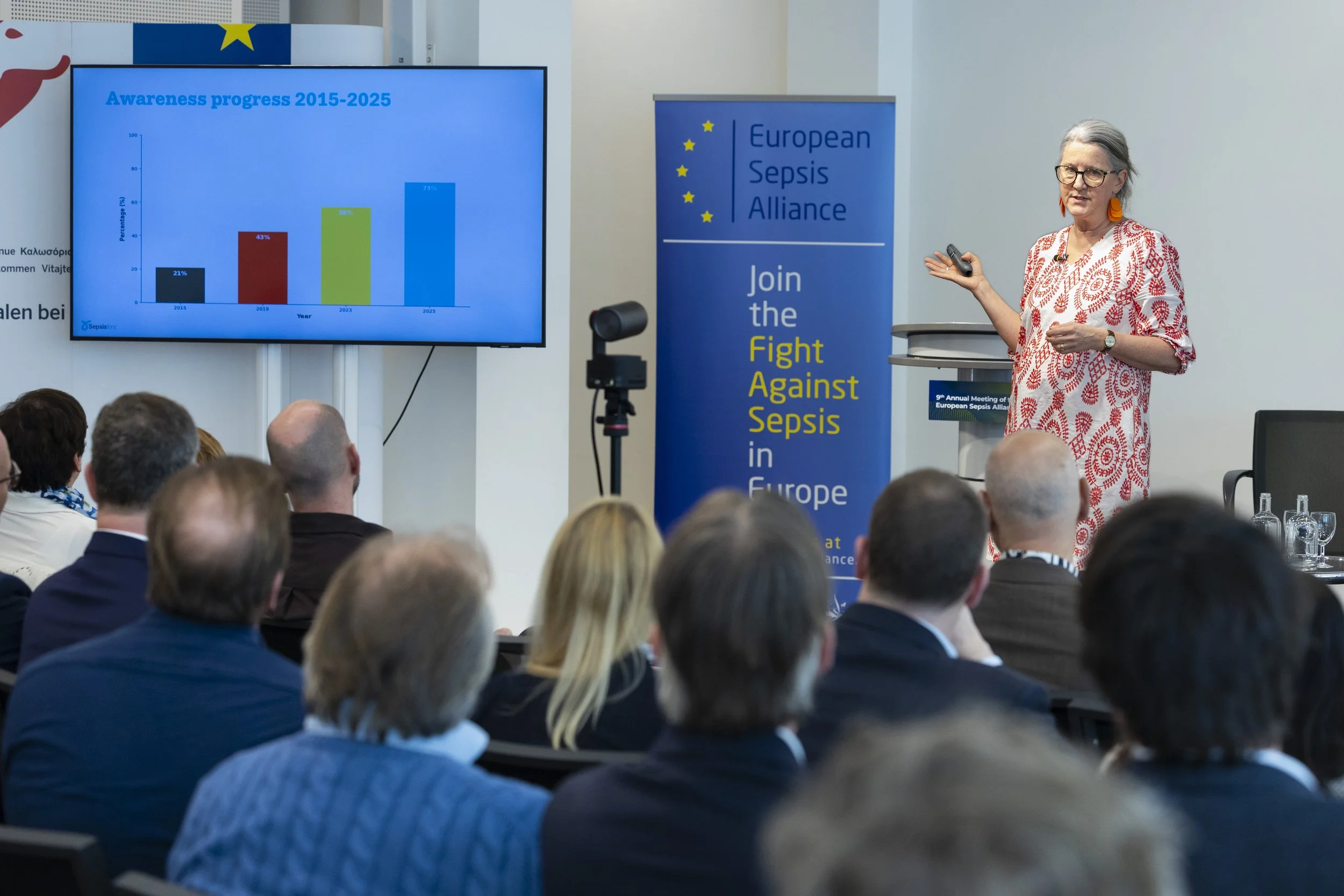
ESA Vice-Chair, Ulrika Knutsson
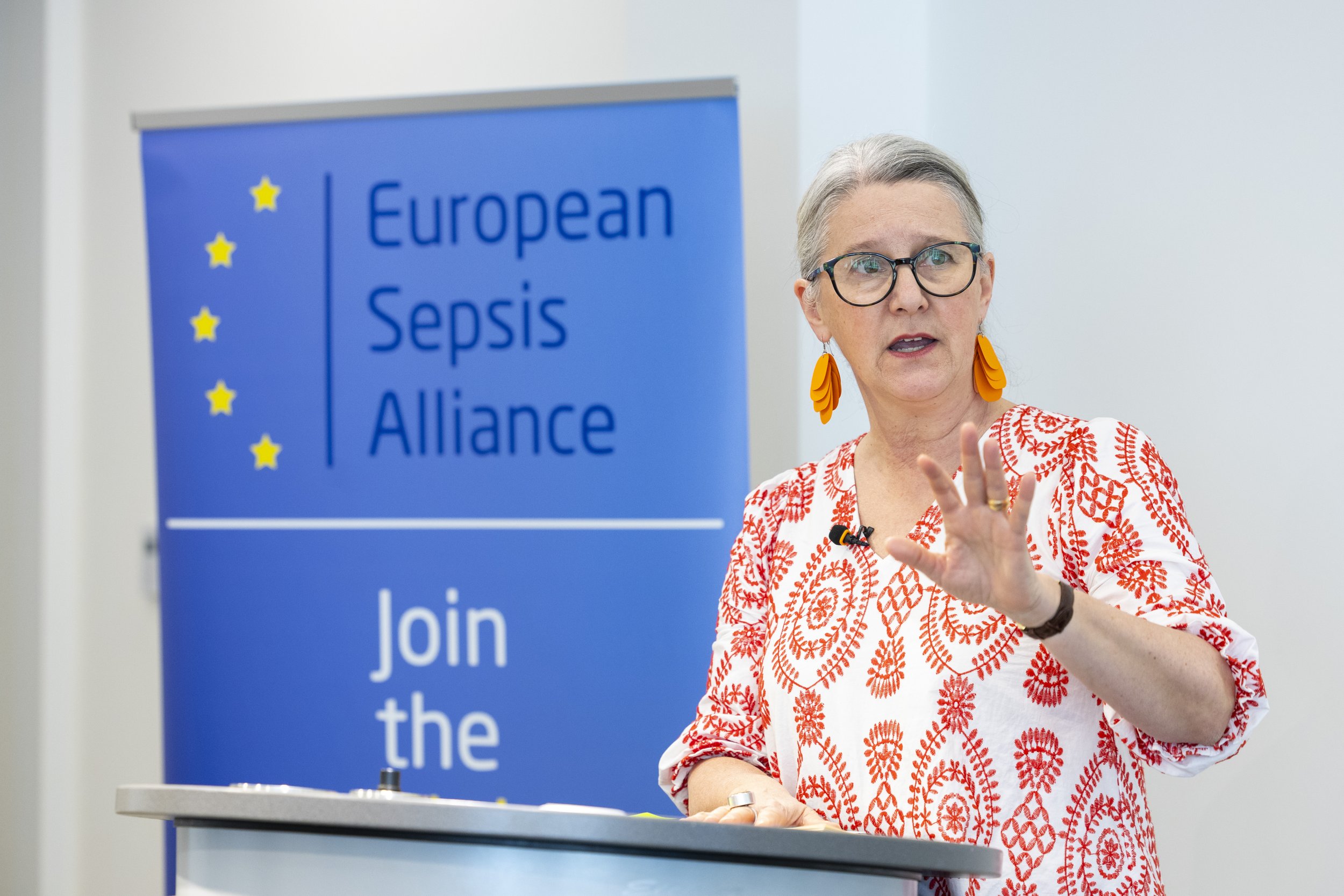
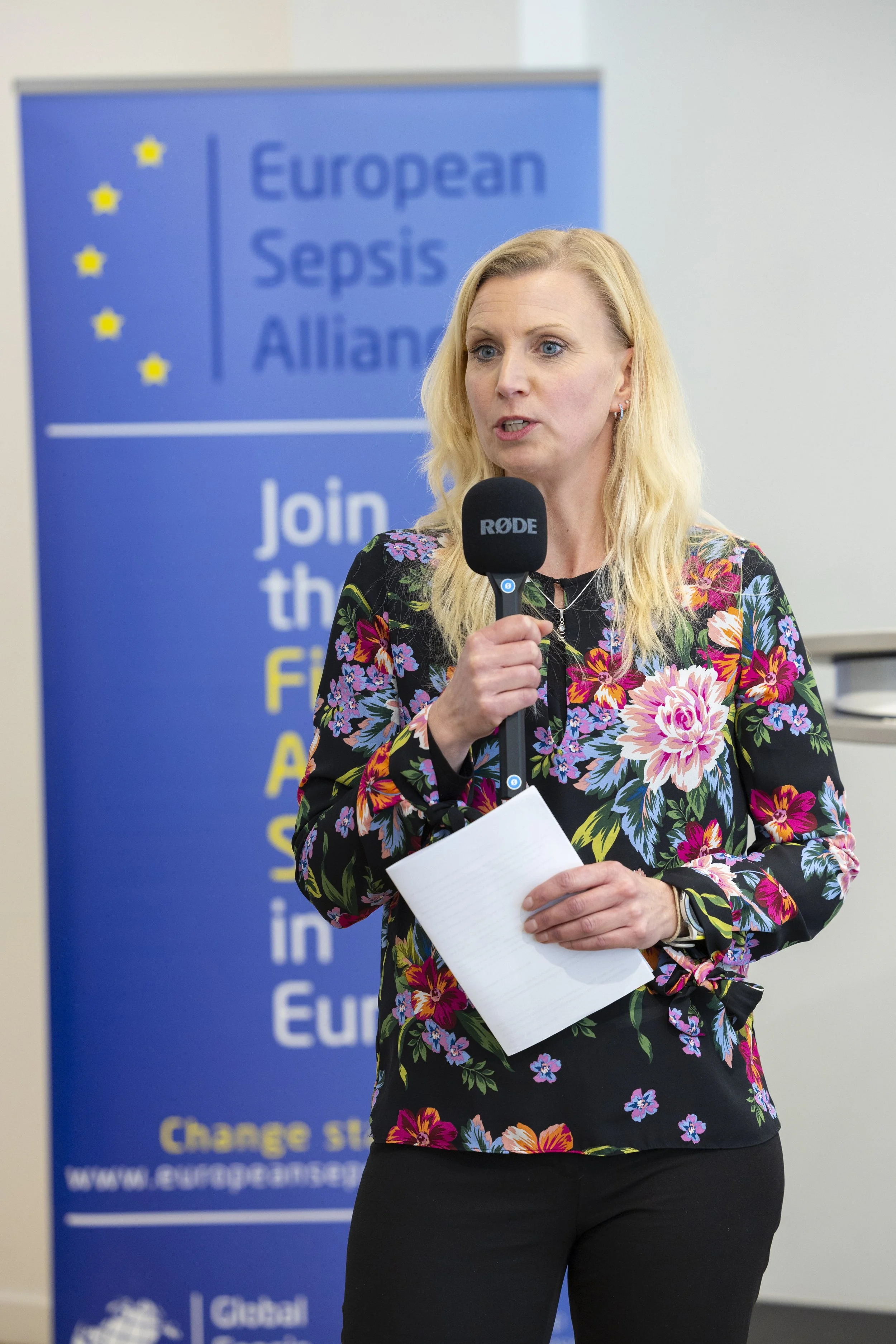
ESA Vice-Chair Ulrika Knutsson, Founder and CEO of Sepsisfonden, shared Sweden's experience in building national public awareness of sepsis, a model that has demonstrated measurable impact on recognition, population’s behaviour, and ultimately survival rates.
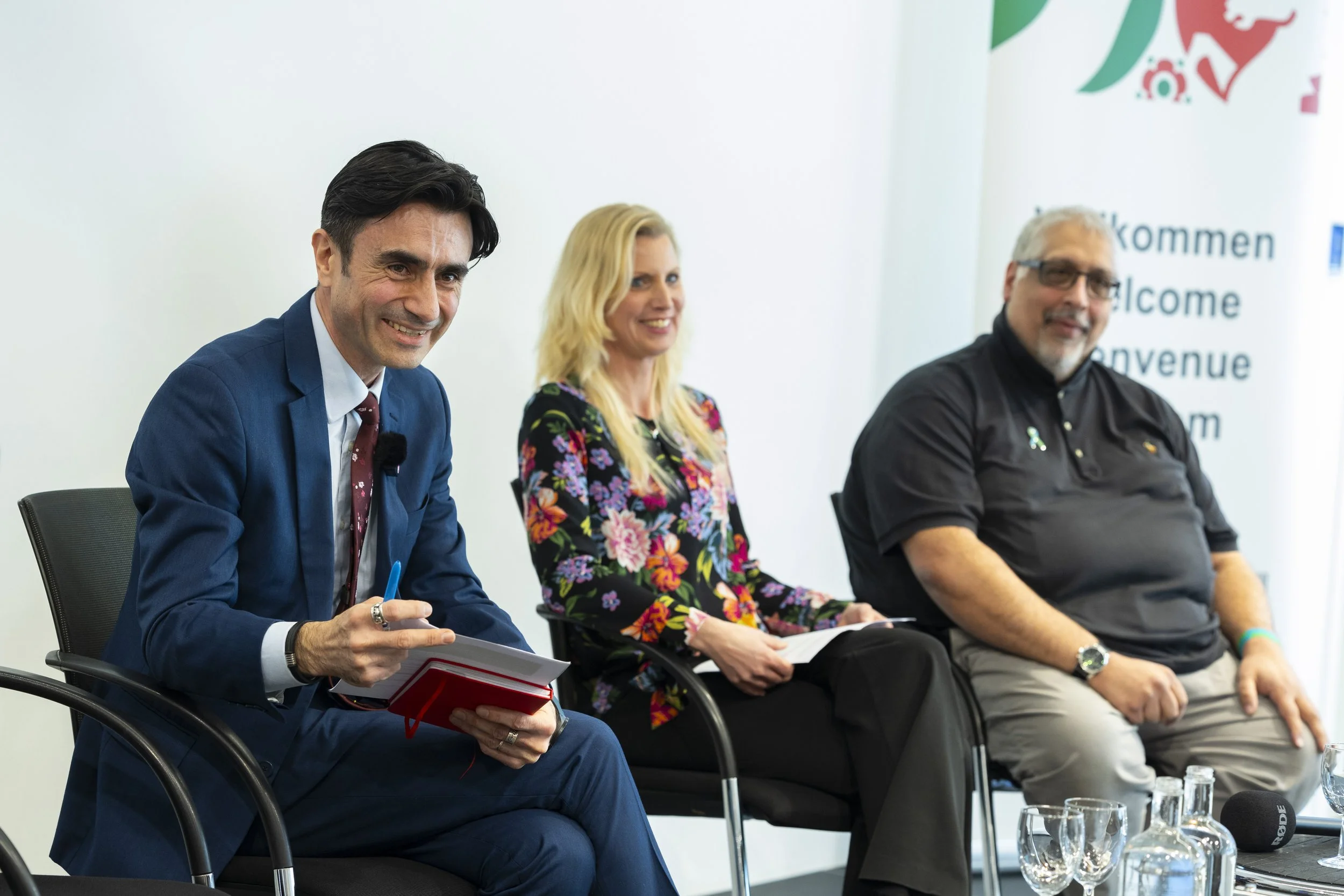
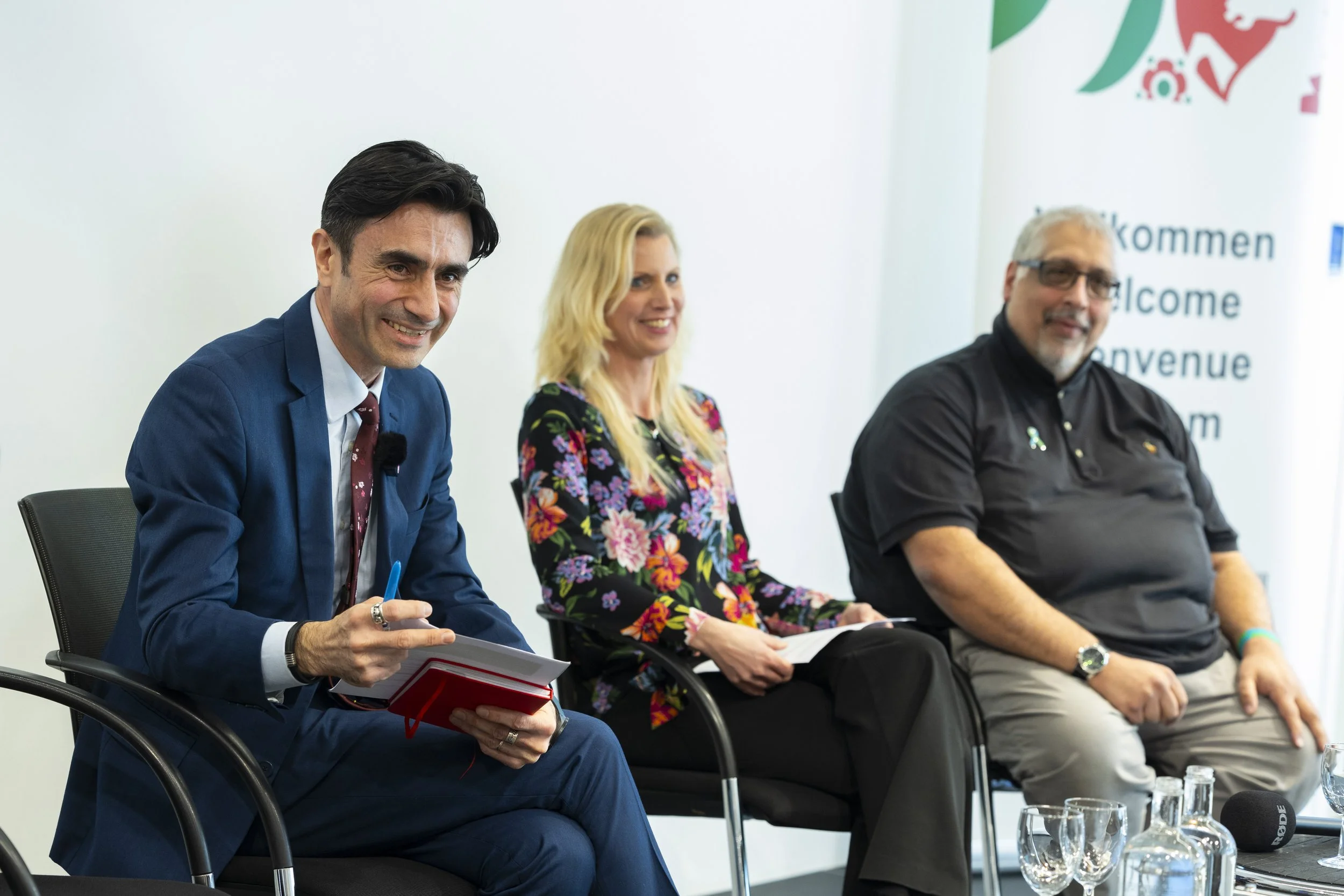
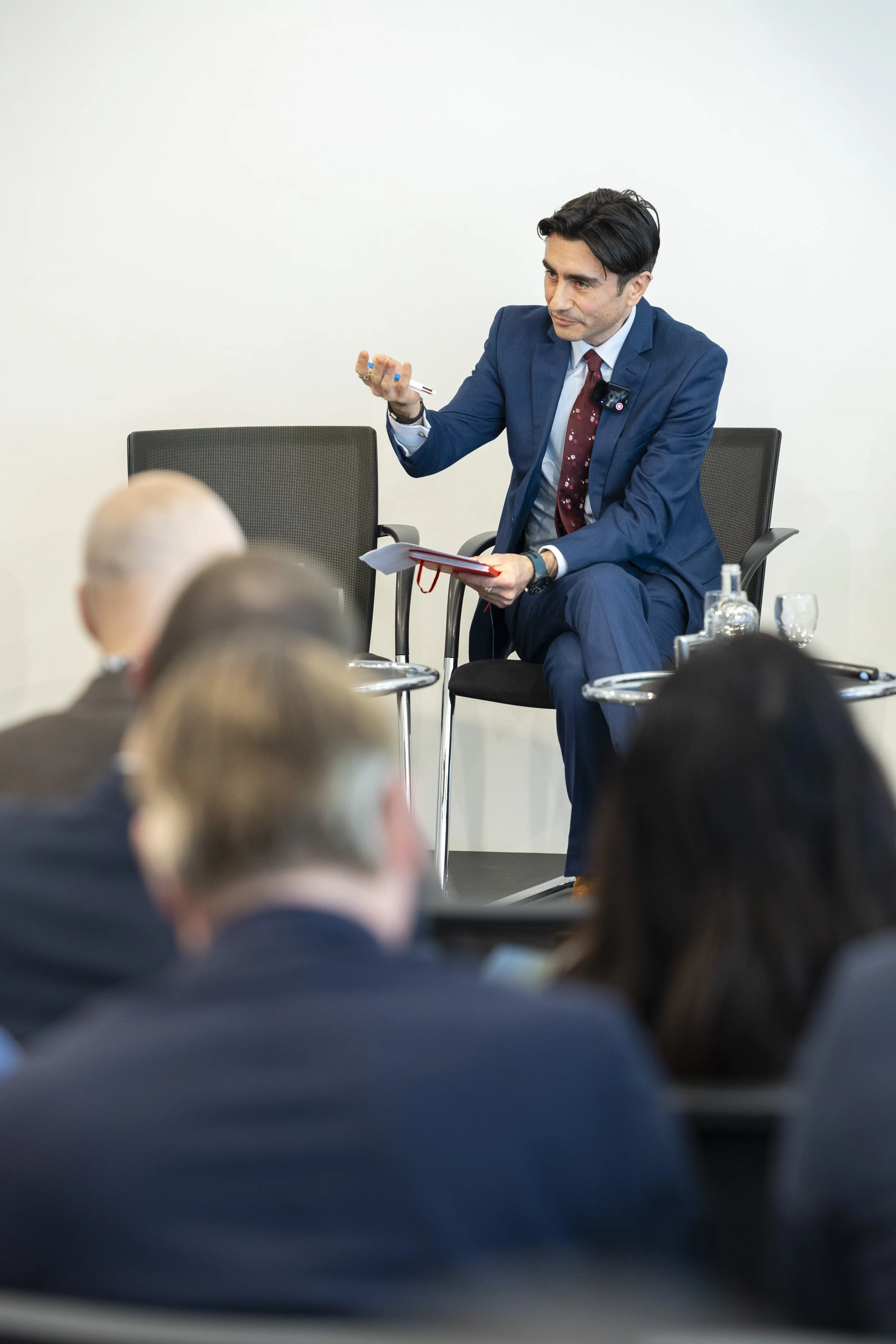
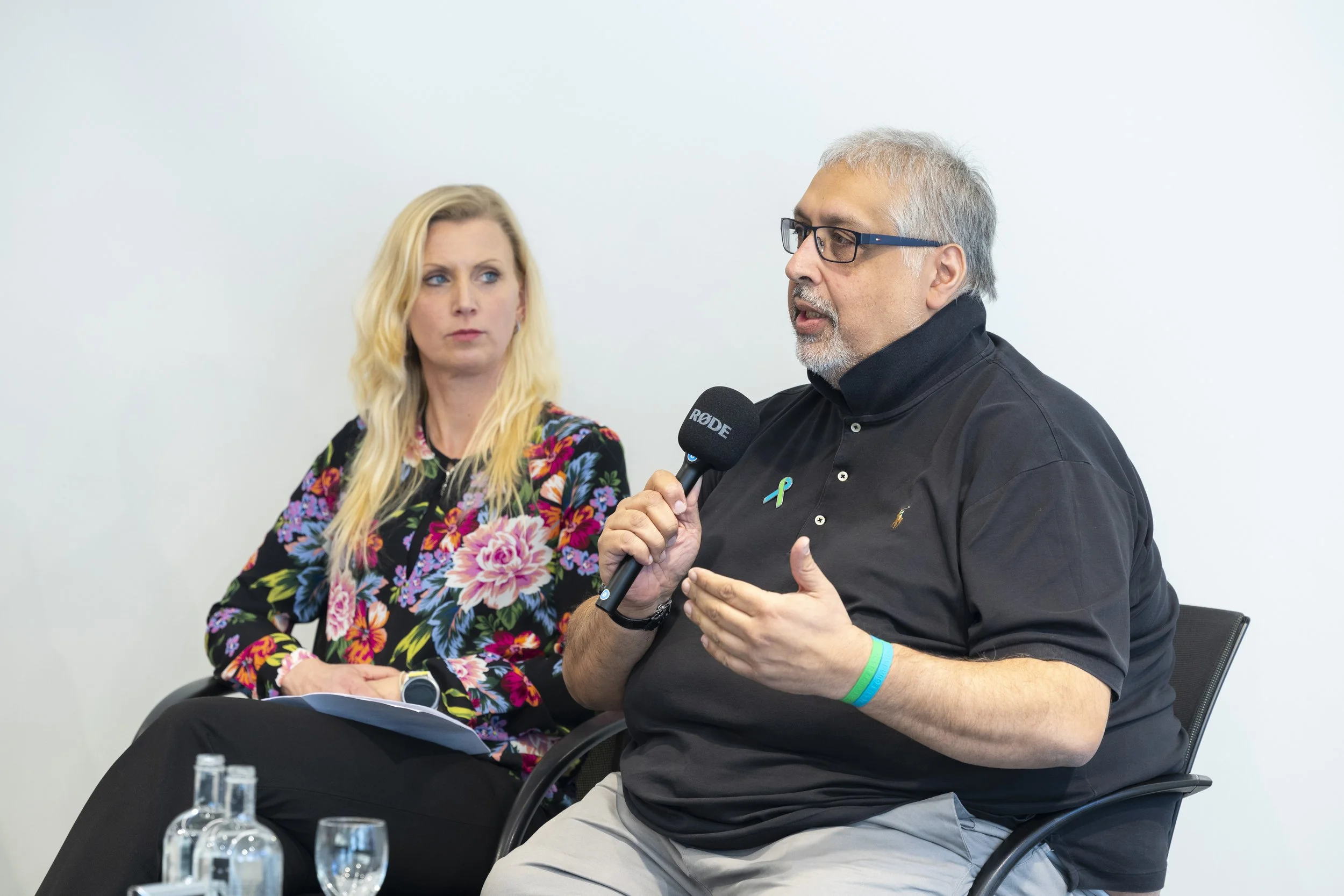
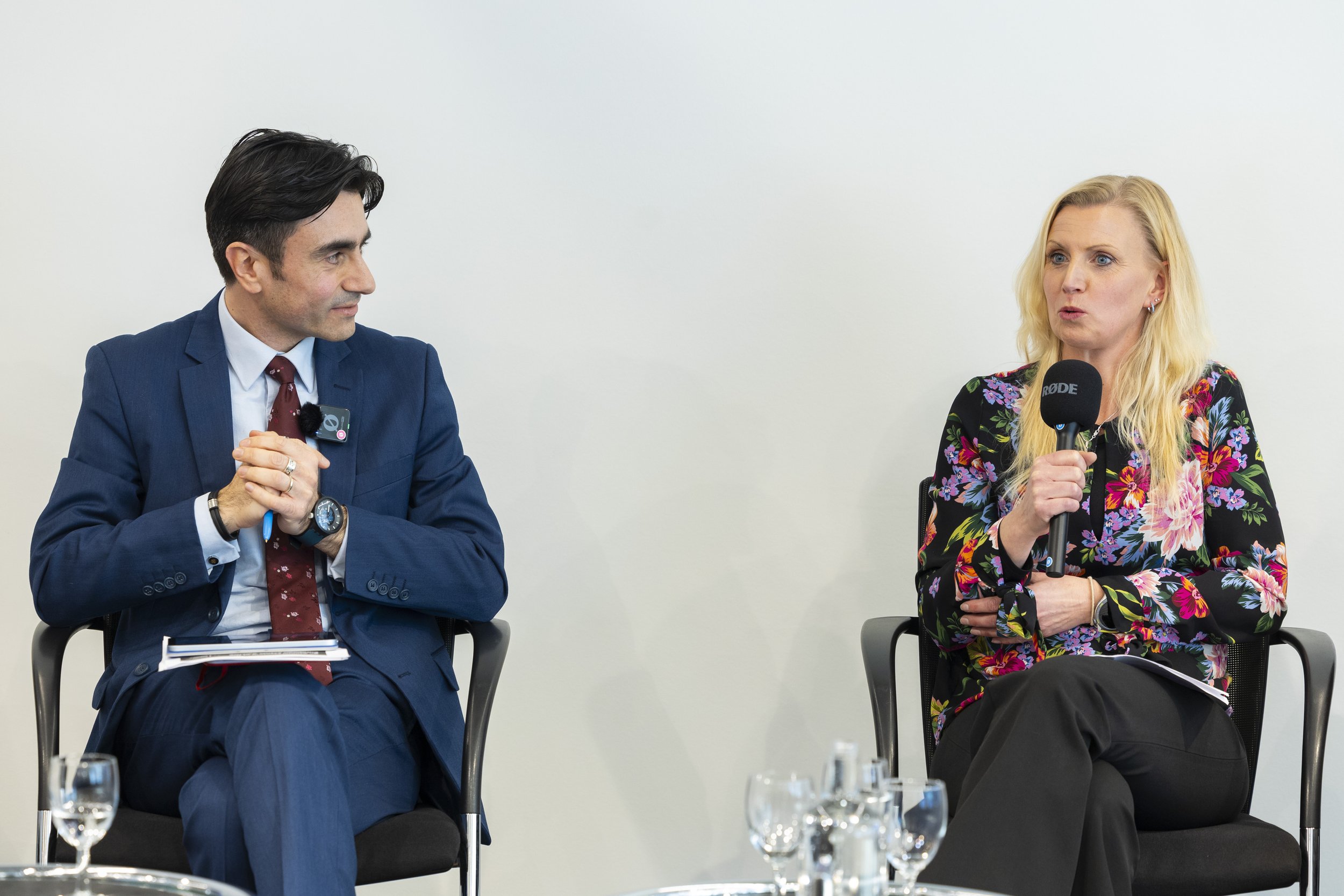
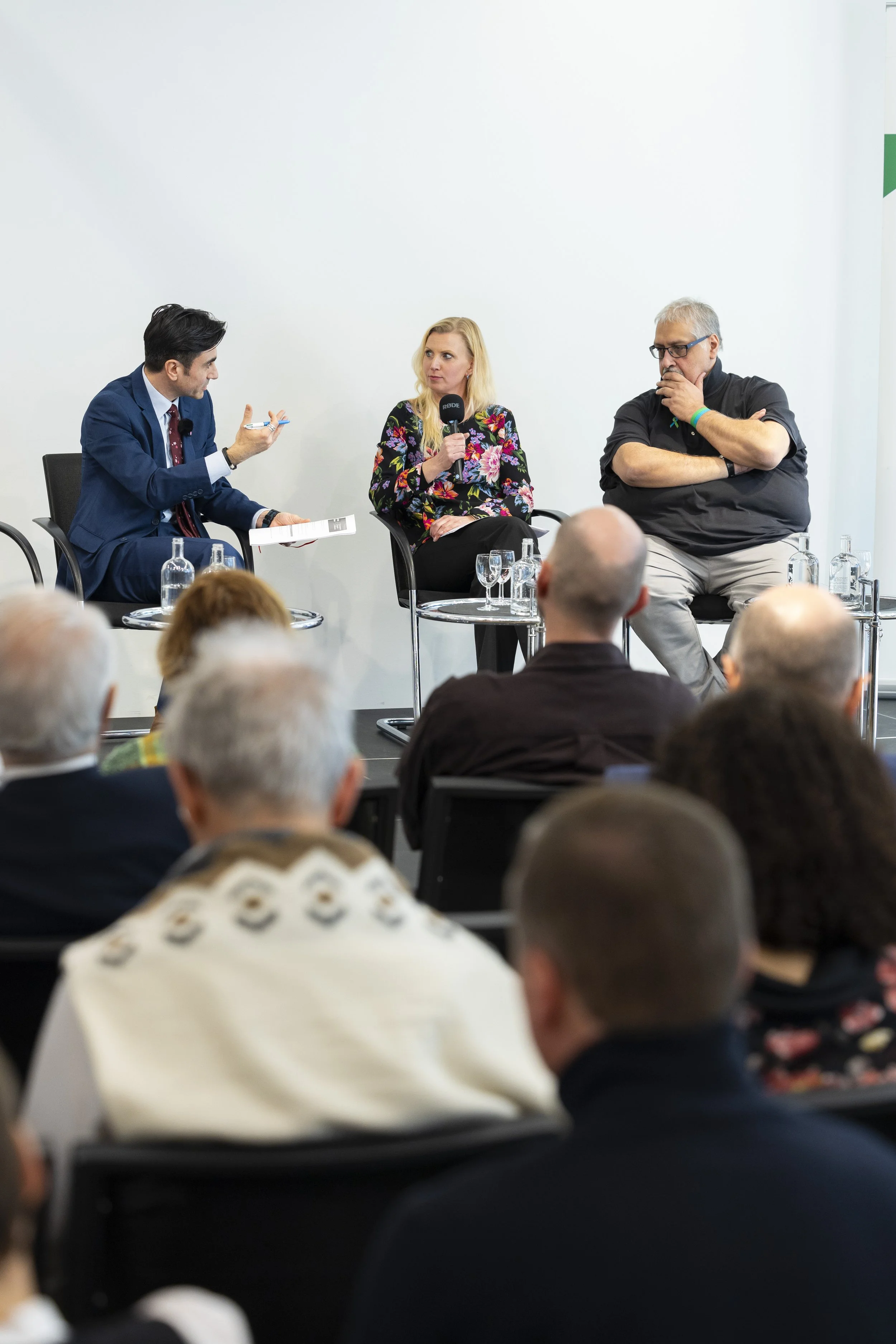
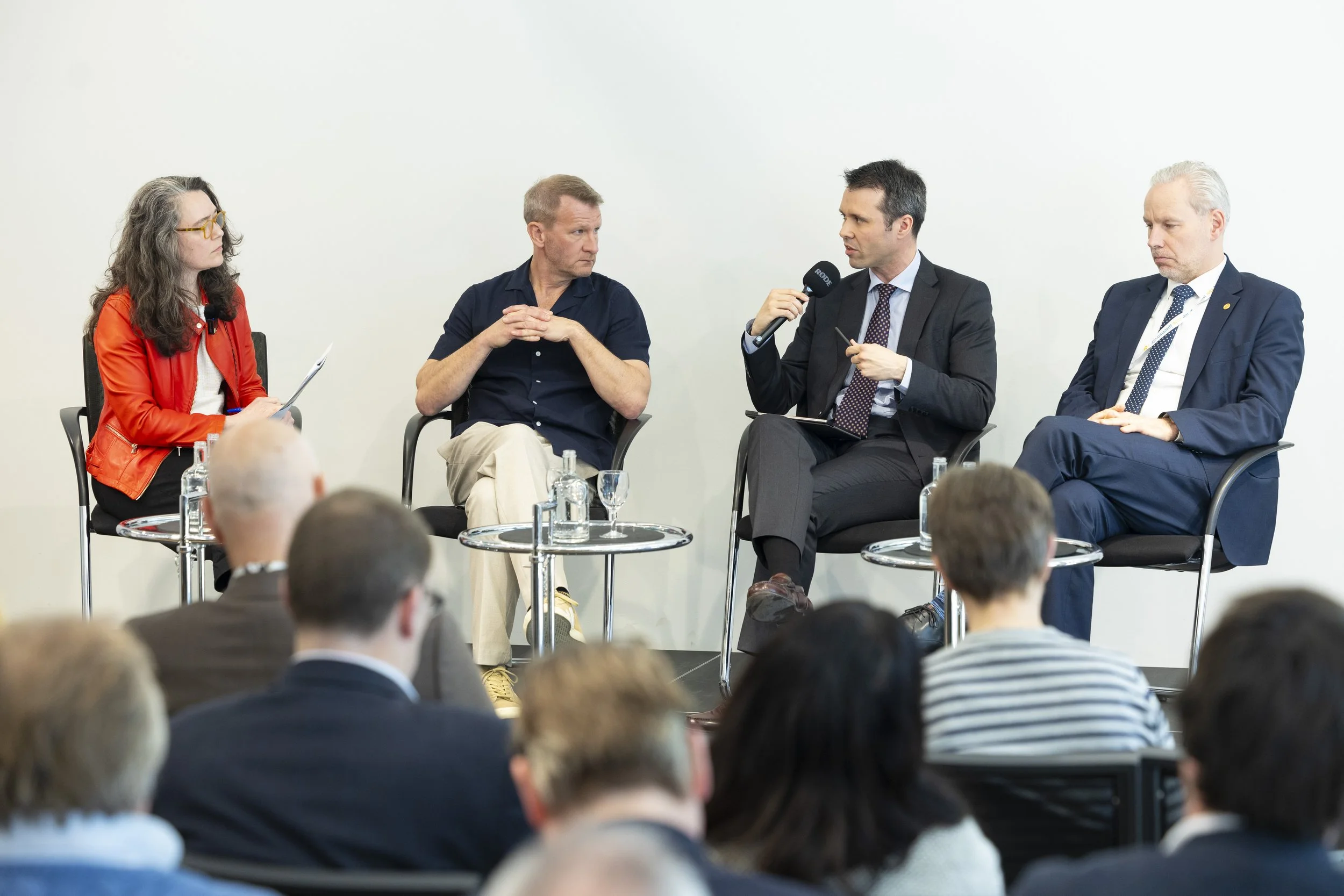
ESA Director, Simone Mancini, Marianne Haverkamp, Nveed Chaudhary
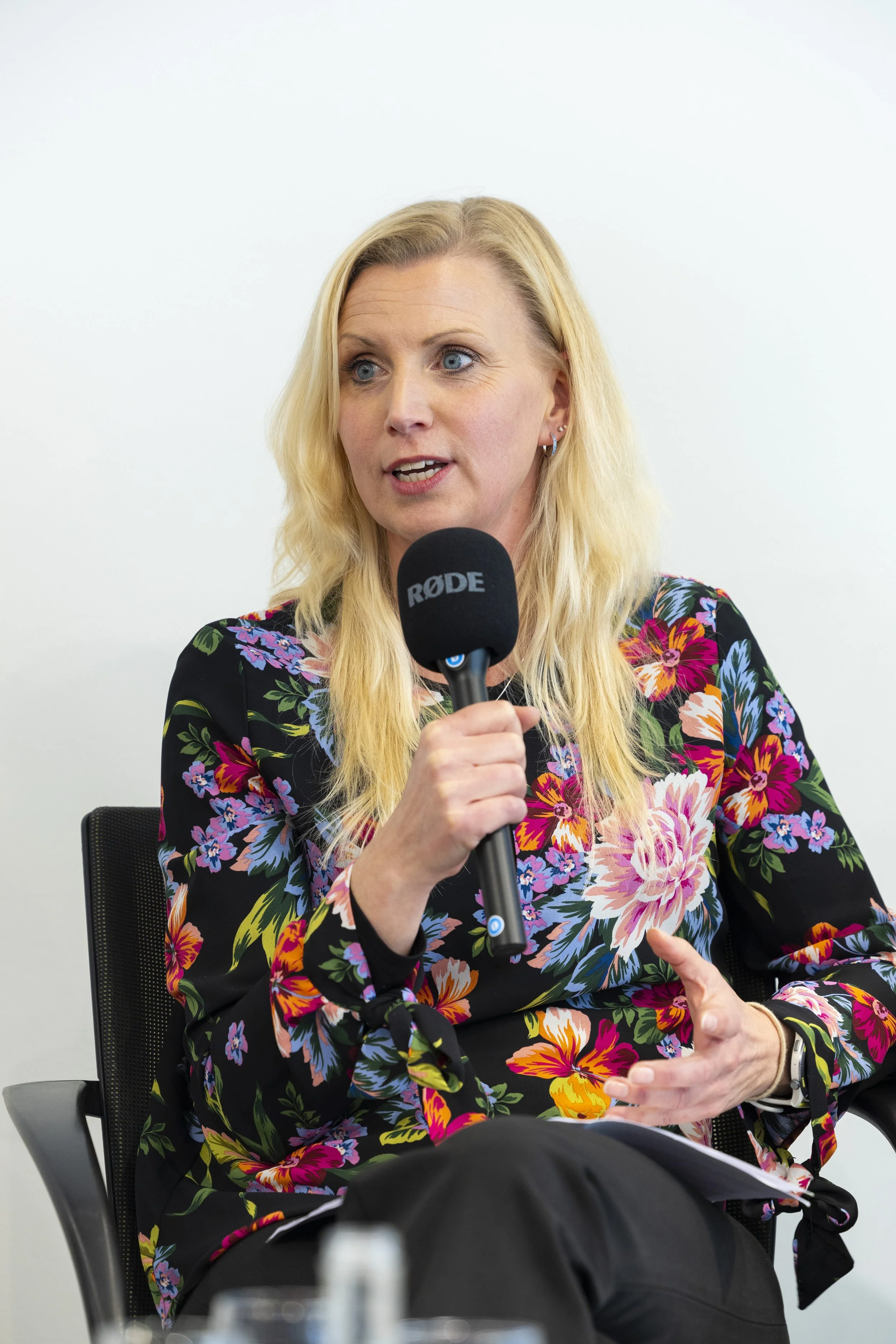
One of the most powerful segments of the day brought the human dimension of sepsis to the centre of the agenda. Moderated by Simone Mancini, Director of the European Sepsis Alliance, three advocates — Marianne Haverkamp (Spain), Nveed Chaudhary (United Kingdom), and Sinead O'Reilly (Ireland) — shared their personal journeys and the work they are doing to turn painful lived experience into lasting policy change.
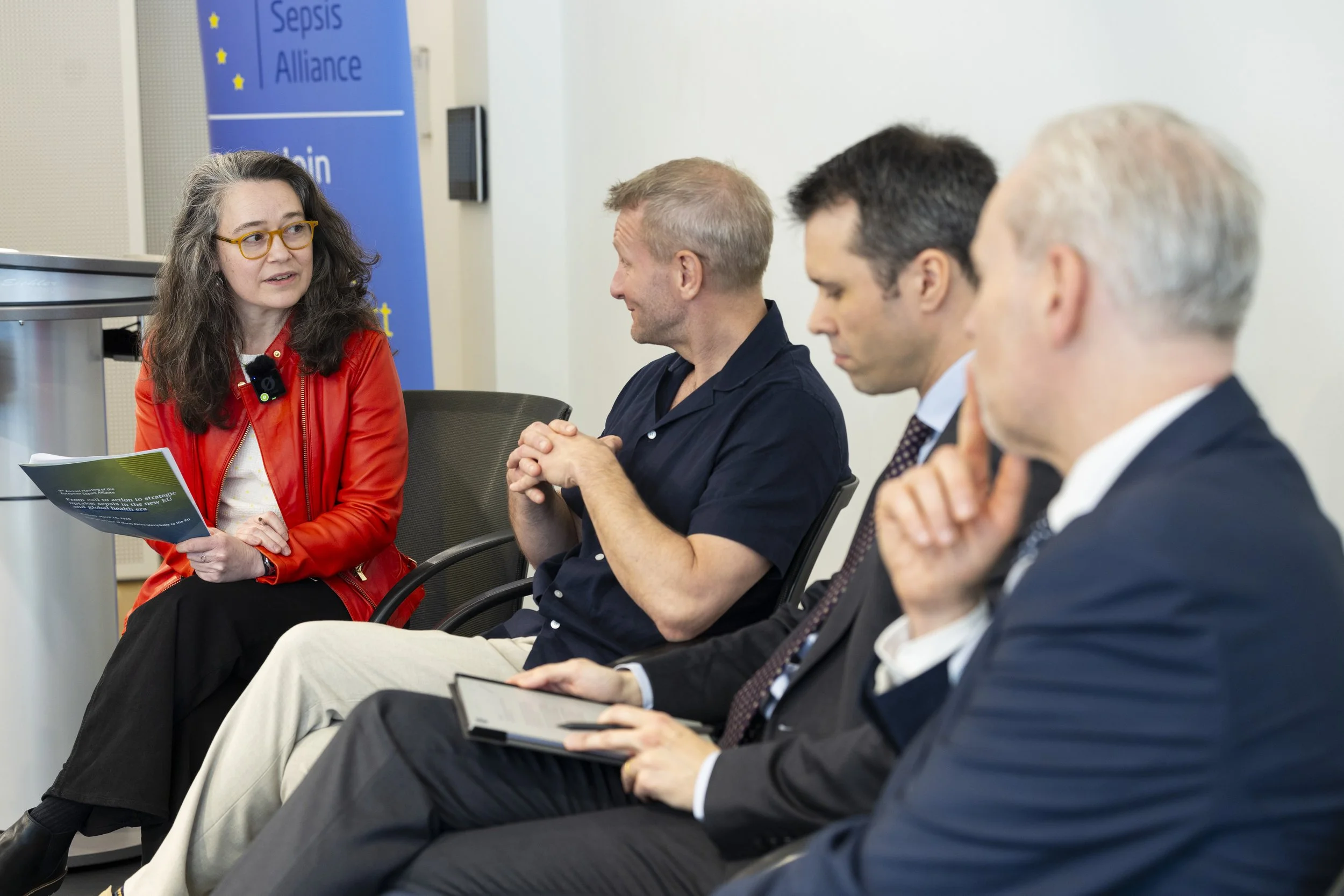
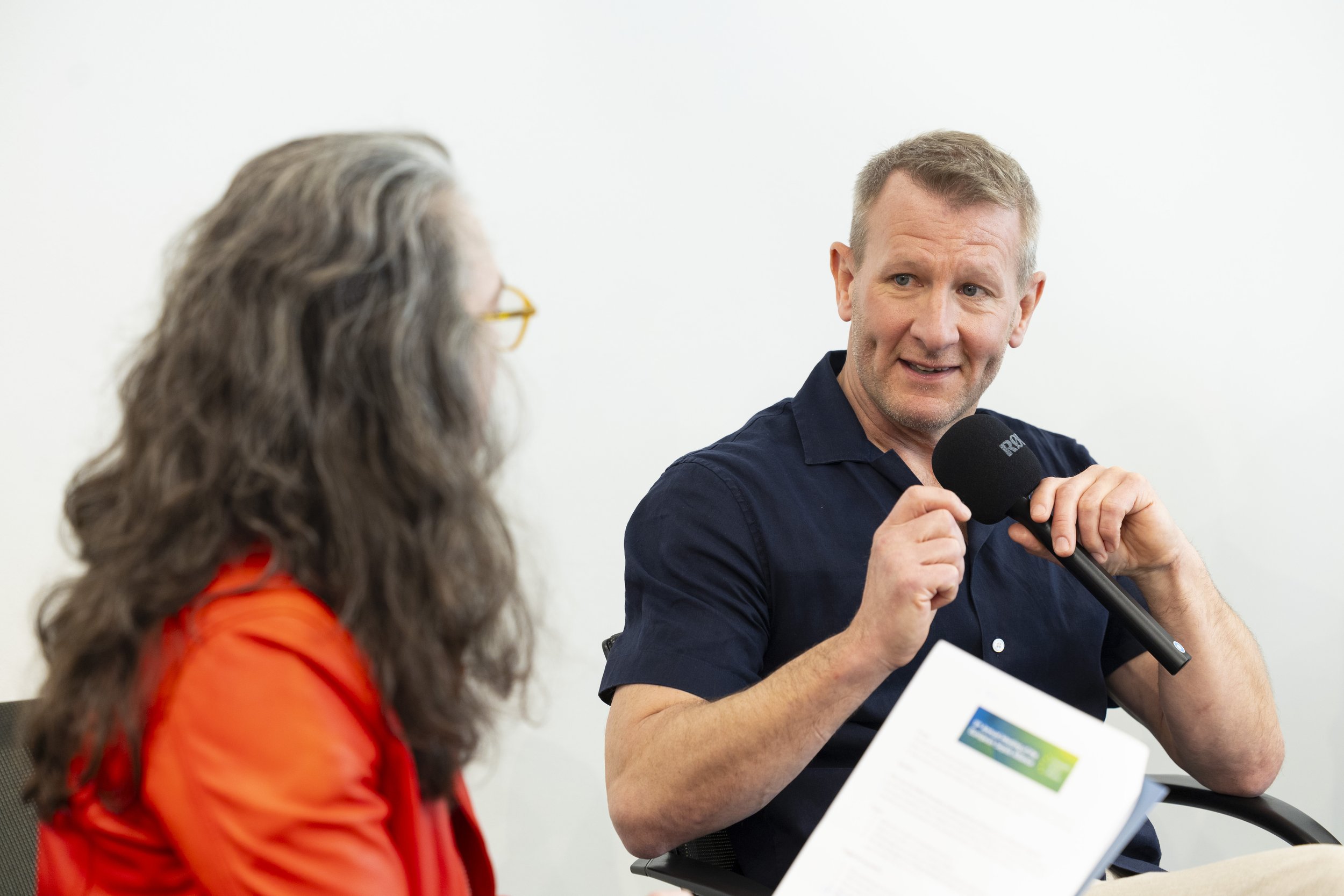
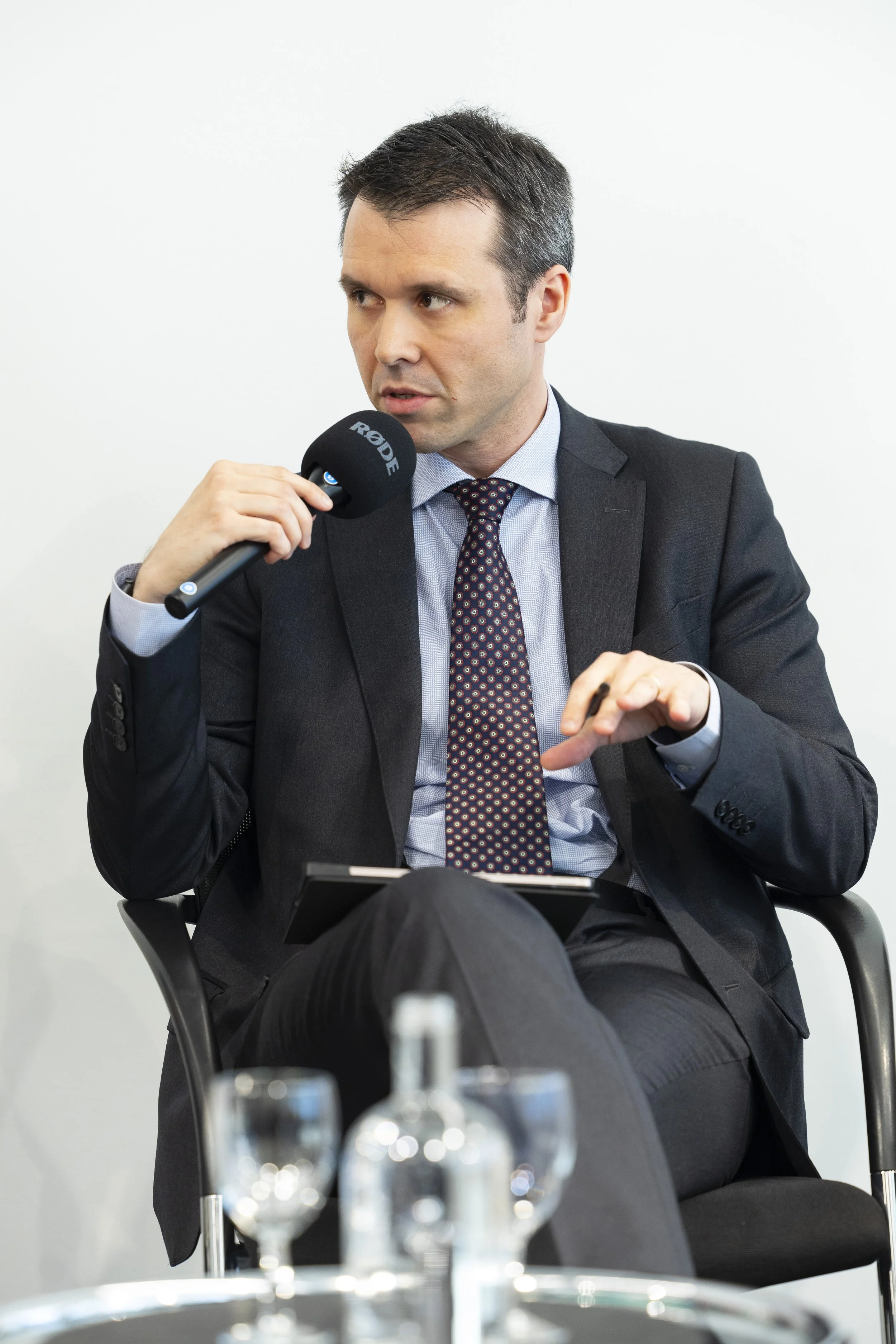
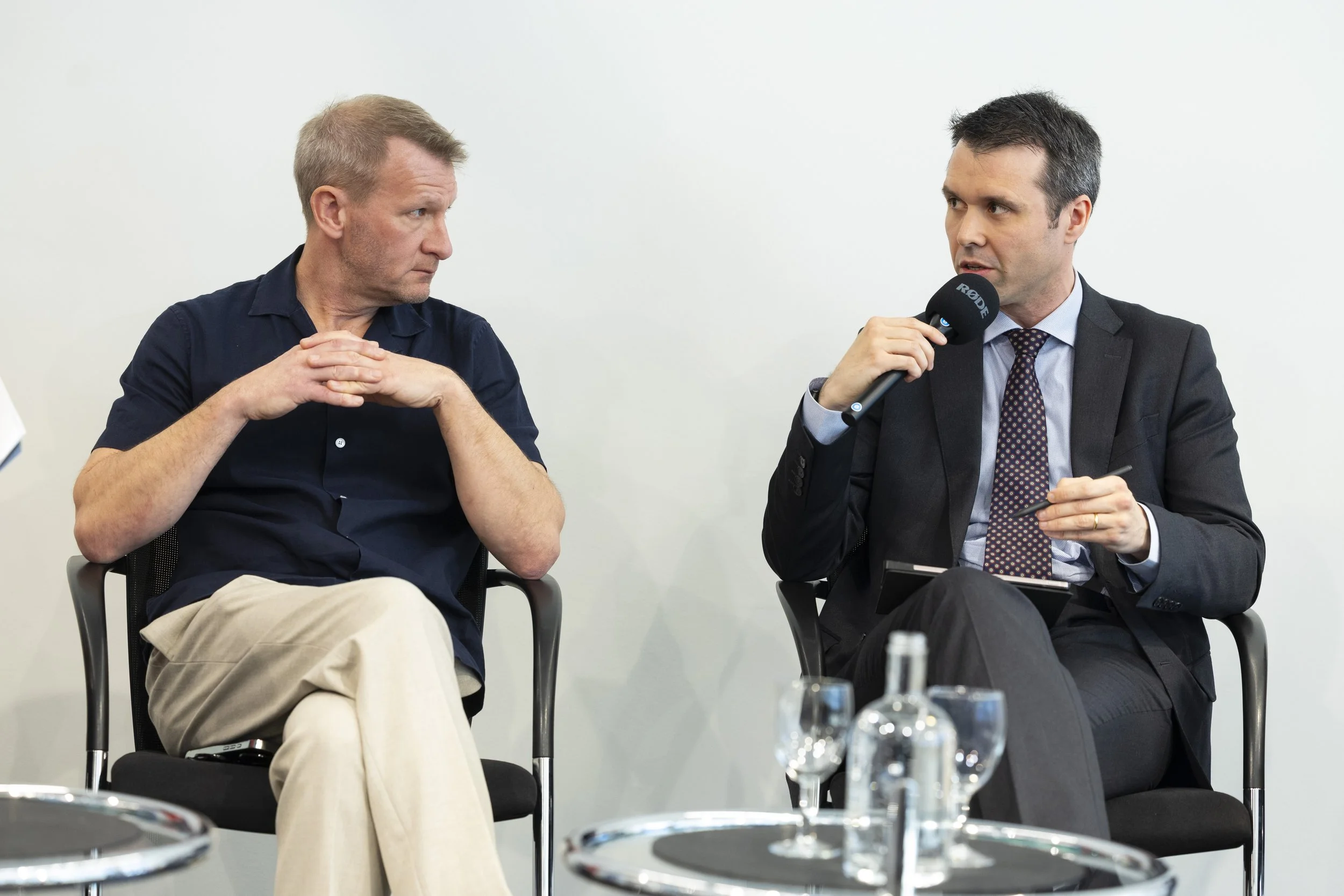
Moderated by Amanda Bok, Chief Partnership Officer, The Synergist, the afternoon panel placed sepsis in the context of a global health landscape under significant strain. ESICM President Prof. Jan De Waele, Executive Director of UNITE, Dr. Guilherme Gonçalves Duarte, and UK Sepsis Trust CEO, Dr. Ron Daniels, together explored the structural, political, and systemic conditions that determine whether sepsis gets the attention it deserves.
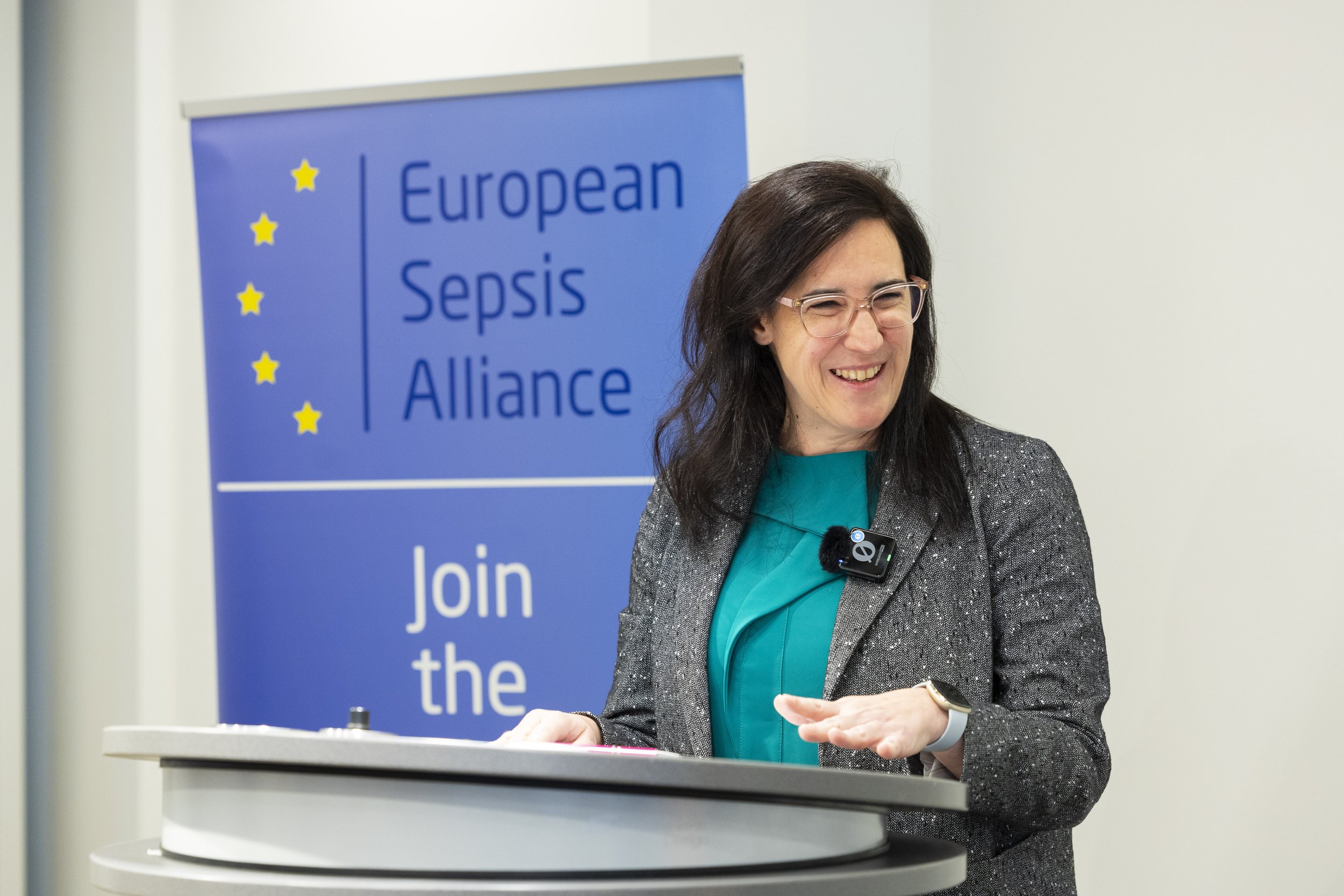
Prof. Evangelos J. Giamarellos-Bourboulis, Dr. Mariam Jashi, and Marianne Haverkamp closed the meeting with a renewed commitment to the shared agenda: advancing European and national sepsis plans grounded in awareness, education, early detection, research, and meaningful support for survivors and families.
The European Sepsis Alliance will continue its engagement with policymakers across Europe, building on the momentum of this meeting to ensure that the Call to Action translates into the concrete, funded, and measurable action that the scale of the sepsis crisis demands.